


x


 Preview
 Encargar reproducción Comprar imagen en alta resolución
 Enviar
 Detalles
 Añadir a favoritos
 Descargar
 Similares
 Radiografía
 Presentación de diapositivas
 Acrylic On CanvasWallArtRoerich Romanticism
 193119th Century
 76.0 x 117.0 cm
Impresión giclée o en lienzo de calidad de museo con producción rápida y opciones de acabado flexibles.





























Elija entre nuestros tamaños predefinidos que respetan las proporciones originales de la obra.

Puede introducir sus propias dimensiones para adaptarse a un marco o espacio específico. Si el tamaño seleccionado no coincide con las proporciones de la imagen original, recortaremos la obra de arte o extenderemos la imagen con un borde con efecto espejo o de color sólido. Se enviará una maqueta digital para su aprobación antes de que comience la producción.
Tenga en cuenta que la vista previa en pantalla no refleja el recorte o la extensión real. Solo la maqueta mostrará con precisión la composición final.
Aunque existen tamaños personalizados, recomendamos seleccionar una dimensión de la lista predefinida para preservar las proporciones originales.
Entrega mundial () en 2 semanas en lugar de las 4/5 semanas estándar. (26 julio)


Zarathustra
Tamaño de la reproducción
Nicholas Roemerich's "Zarathustra," completed in 1931, is more than a depiction of a solitary figure on a mountaintop; it’s an embodiment of the artist’s profound spiritual and philosophical leanings. This evocative painting captures a moment of intense introspection, reflecting Roerich’s lifelong fascination with Eastern mysticism, particularly Zoroastrianism – hence the title, referencing Nietzsche's iconic character who sought wisdom through solitary contemplation. The artwork immediately draws the viewer into a scene of serene grandeur, dominated by the dramatic interplay of light and shadow that defines Roerich’s distinctive style.
“Zarathustra” is deeply rooted in Roerich's belief system, which blended elements of Zoroastrianism, Hinduism, and Buddhism. The solitary figure, holding a staff – a traditional symbol of leadership and wisdom – represents humanity’s quest for self-knowledge and connection with the divine. The mountainous landscape itself symbolizes challenges overcome and spiritual ascent. Scattered figures in the background are interpreted as representing those who have already embarked on this journey, offering silent encouragement to the viewer. Roerich was also deeply involved in exploring ancient cultures and their symbolism, often incorporating these elements into his work.
Created in 1931, “Zarathustra” reflects the broader artistic trends of the early 20th century. Roerich’s work aligns with the Symbolist movement's emphasis on subjective experience and spiritual themes, while also anticipating aspects of Surrealism’s exploration of the subconscious. Roerich was a prolific traveler and explorer, spending considerable time in Central Asia and Tibet, which profoundly influenced his artistic vision. His dedication to preserving cultural heritage and promoting peace through art is reflected in the painting's powerful message.
"Zarathustra" transcends its historical context, offering a timeless appeal that resonates with viewers today. Its serene composition, evocative color palette, and profound symbolism make it an ideal addition to any interior space. This hand-painted reproduction captures the essence of Roerich’s masterpiece, bringing a touch of contemplative beauty and spiritual depth to your home or office. The size (76 x 117 cm) makes it suitable for a variety of settings, from living rooms to study spaces.


1874 - 1947 , Rusia

Descubre las 25 obras maestras del MET de Nueva York: Van Gogh, Monet, Rembrandt y más. Explora la historia, el arte y los colores que inspiran tu hogar. Reproducciones de museo en Most-Famous-Paintings.com.
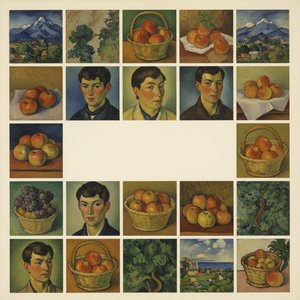
Descubre las 25 obras maestras de Paul Cézanne que revolucionaron el arte moderno. Explora su técnica, inspiración y significado en paisajes, bodegones y retratos. Reproducciones de alta calidad para decorar tu hogar con arte inolvidable. ¡Explora la colección completa en Most-Famous-Paintings.com!
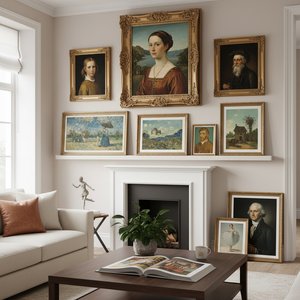
Descubre las 25 obras maestras del National Gallery of Art, Washington. Explora la historia de Cézanne, Matisse, Picasso y más. Encuentra reproducciones de arte exclusivas e ideas para decorar tu hogar con lienzos inolvidables en Most-Famous-Paintings.com.

Descubre las 25 obras maestras de Alfred Munnings, el pintor británico de caballos por excelencia. Explora su impresionismo inglés, escenas campestres y técnica única. Encuentra reproducciones de arte de alta calidad en Most-Famous-Paintings.com.
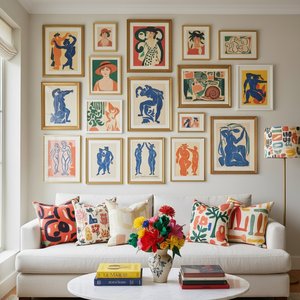
Descubre las 25 obras maestras de Henri Matisse, el rey del color y padre del fauvismo. Explora su arte moderno, lienzos vibrantes y la historia detrás de cada pintura icónica. Encuentra reproducciones de alta calidad en Most-Famous-Paintings.com.


Manténgase al día con las últimas noticias de arte, ofertas exclusivas e ideas de decoración.
Cuéntanos sobre tu proyecto y nuestros expertos en arte te ofrecerán 3 sugerencias de obras personalizadas.
Permítenos seleccionar 3 opciones solo para ti – ¡Gratis!


 Compartir

 Ver más







 La opción de vidrio solo está disponible en tamaños inferiores a 110 cm.


