Vende tu arte
Lista de deseos Carrito de compras Cart
x
Vista previaVista previa Vista previa en RAVista previa en RA Pedir impresión Pedir impresiónEncargar reproducción pintada a mano Encargar reproducción pintada a mano CompartirCompartir
Ver detallesVer detalles Añadir a favoritos Añadir a favoritos DescargarDescargar Ver similaresVer similares RadiografíaRadiografía Presentación de diapositivasPresentación de diapositivas

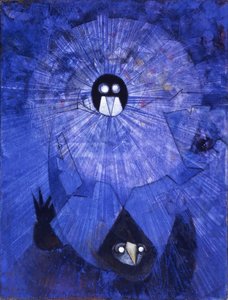
Untitled (320)

Explore Otto Mueller's evocative nudes & Romani subjects! A key Die Brücke Expressionist, his harmonious landscapes were condemned by the Nazis. Discover his art today.

Adquiera una imagen digital de alta resolución y optimizada, muy superior a la vista previa en línea.

Cada archivo es preparado meticulosamente por nuestros especialistas internos mediante el uso de herramientas avanzadas y un experto retoque manual. Nos aseguramos de que cada imagen posea una claridad excepcional, una precisión cromática impecable y un detalle minucioso.

El archivo final se entrega por correo electrónico en un plazo de 72 horas, optimizado para su uso inmediato en entornos profesionales, editoriales y de impresión. Esta es la misma calidad en la que confían los estudios de diseño, las editoriales y las galerías de primer nivel.

Imagen Digital

Descarga un archivo de alta resolución para exhibición personal, impresión y proyectos creativos. (Pedir impresión Pedir impresiónEncargar reproducción pintada a mano Encargar reproducción pintada a mano)

Precio total

$ 24,90

Incluido en cada compra de imágenes digitales

Entrega digital experta, garantizada.

Al elegir Most-Famous-Paintings.com, no solo está adquiriendo una imagen; está recibiendo una obra de arte digital mejorada profesionalmente, elaborada con precisión y respaldada por una garantía de satisfacción. Esto es todo lo que incluye su pedido, automáticamente:

shipping_icon
Entrega rápida por email

Recibirá su archivo de imagen digital en alta resolución por correo electrónico en un plazo de 72 horas tras realizar su pedido, listo para su uso inmediato.

canvas_icon
Archivo digital optimizado por IA

Su obra de arte se optimiza profesionalmente mediante herramientas avanzadas de IA y edición manual, garantizando el máximo detalle, claridad y precisión cromática.

insurance_icon
Reenvío gratuito de por vida

¿Has borrado o perdido tu archivo por error? No te preocupes: te lo volveremos a enviar en cualquier momento, sin coste adicional.

tax_icon
Sin gastos de importación, siempre

Disfrute de su obra de arte al instante sin aduanas, aranceles ni gastos de envío; las descargas digitales siempre están libres de impuestos.

color_icon
Garantía de precisión de color

Garantizamos que su imagen digital refleje los colores originales con la mayor fidelidad posible, mediante el uso de herramientas profesionales y gestión del color.

return_icon
Garantía de satisfacción de 60 días

Si no está satisfecho con su imagen digital, la revisaremos o le reembolsaremos el 100% en un plazo de 60 días, sin preguntas.

guarantee_icon
100% Garantía de devolución de dinero

¿No está satisfecho? Obtenga un reembolso completo dentro de los 60 días posteriores a la recepción de su archivo digital, sin necesidad de explicaciones.

discount_icon
Descuentos por volumen

Compra 3 imágenes, ahorra 10% - Compra 5, ahorra 15% - Compra 10+, ahorra 20%. Ideal para proyectos creativos, galerías y agencias.



Biografía del artista

A Life Immersed in Color and Controversy: The World of Otto Müller

Otto Müller, a pivotal figure within the German Expressionist group Die Brücke (The Bridge), remains an artist whose work pulsates with raw emotion, spiritual yearning, and a profound connection to the natural world. Born in Liepāja, Latvia – then part of the Russian Empire – in 1874, his early life was marked by a restless spirit and a burgeoning artistic talent that quickly outgrew conventional academic training. He wasn’t drawn to meticulous realism but rather to capturing the *essence* of experience, a pursuit that would define his entire career. His father's profession as a merchant exposed him to diverse cultures and landscapes early on, fostering an openness to new perspectives which later manifested in his unique artistic style. Müller’s initial studies at the Düsseldorf Academy were short-lived; he found its rigid structure stifling, preferring instead to develop independently, absorbing influences from artists like Van Gogh, Gauguin, and Edvard Munch – masters who prioritized emotional intensity over precise representation. This rejection of academic norms was a crucial step in his journey toward becoming a founding member of Die Brücke in 1905.

The Bridge and the Search for Primal Expression

Die Brücke wasn’t merely an artistic collective; it was a brotherhood united by a shared desire to break free from societal constraints and explore the depths of human emotion through art. Müller, alongside Kirchner, Heckel, Schmidt-Rottluff, and Pechstein, sought to reconnect with a more primal form of expression, drawing inspiration from African sculpture, medieval woodcuts, and the uninhibited energy of folk art. This pursuit led to a distinctive aesthetic characterized by bold colors, distorted forms, and a deliberate rejection of traditional perspective. Müller’s contribution to Die Brücke was particularly notable for his depictions of nude figures – often set within lush, evocative landscapes – and his sensitive portrayals of Romani people (Gypsies). These subjects weren't simply representations; they embodied a longing for an authentic existence uncorrupted by modern civilization. His paintings from this period are imbued with a sense of melancholy and spiritual searching, reflecting the group’s broader anxieties about alienation and the loss of connection in an increasingly industrialized world. He wasn’t interested in portraying idyllic scenes but rather capturing the psychological weight of his subjects, their vulnerability and resilience.

A Unique Voice: Style and Symbolism

Müller's style evolved throughout his career, yet certain hallmarks remained consistent. His use of color was particularly striking – often employing jarring juxtapositions and intense hues to create a sense of emotional tension. He favored simplified forms and flattened perspectives, reminiscent of woodcuts, which contributed to the raw, almost visceral quality of his work. The landscapes in his paintings are rarely specific locations; they serve as psychological spaces, mirroring the inner states of his figures. The Romani people he depicted were not exoticized or romanticized but rather presented with dignity and empathy. He spent extended periods living amongst them, learning their customs and traditions, and striving to capture their unique worldview. Recurring motifs, such as trees, water, and the human body, held symbolic weight in his work. Trees often represented life force and connection to nature, while water symbolized purification and transformation. The nude figures, frequently depicted in poses of contemplation or vulnerability, embodied a longing for spiritual wholeness. His later works also reveal an interest in religious themes, particularly those related to the Passion of Christ, reflecting a lifelong fascination with spirituality and suffering.

Condemnation and Legacy: A Troubled Reception

Despite his artistic achievements, Müller’s career was marked by controversy and hardship. His work, along with that of other Expressionists, was deemed “degenerate” by the Nazi regime in 1937, and he was stripped of his professorship at the Breslau Academy. He was forbidden to paint and lived in relative isolation during World War II. This persecution, however, did not diminish his artistic vision; he continued to create art throughout this period, albeit with limited resources. After the war, Müller slowly regained recognition, but his work remained largely overlooked for many years. Today, Otto Müller is celebrated as one of the most important figures in German Expressionism. His paintings are admired for their emotional intensity, spiritual depth, and unique aesthetic sensibility. He paved the way for future generations of artists to explore the complexities of human experience through bold experimentation and uncompromising self-expression. His influence can be seen in the work of numerous contemporary painters who continue to grapple with themes of alienation, spirituality, and the search for meaning in a fragmented world. His comic strip series Ottifanten, created under a pseudonym during his later years, demonstrates an unexpected playful side to his artistic personality.