x

Impresiones giclée o en lienzo de calidad de museo con producción rápida y opciones de acabado flexibles. ( Encargar reproducción pintada a mano Comprar descarga)





























Elija entre nuestros tamaños predefinidos que respetan las proporciones originales de la obra.

Puede introducir sus propias dimensiones para adaptarse a un marco o espacio específico. Si el tamaño seleccionado no coincide con las proporciones de la imagen original, recortaremos la obra de arte o extenderemos la imagen con un borde con efecto espejo o de color sólido. Se enviará una maqueta digital para su aprobación antes de que comience la producción.
Tenga en cuenta que la vista previa en pantalla no refleja el recorte o la extensión real. Solo la maqueta mostrará con precisión la composición final.
Aunque existen tamaños personalizados, recomendamos seleccionar una dimensión de la lista predefinida para preservar las proporciones originales.
Envío a todo el mundo () en 2 semanas en lugar de las 4/5 semanas estándar. (15 agosto)


About Chess
Tamaño de la reproducción
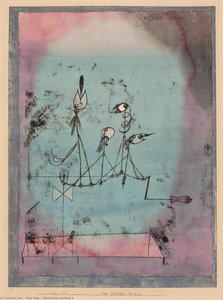
Paul Klee’s “About Chess” is more than just a depiction of a checkered pattern; it's an invitation into the artist’s mind—a vibrant exploration of form, color, and emotion that speaks to the core principles of Expressionism. Created in 1940 during his time in Switzerland amidst the anxieties of World War II, this painting embodies Klee’s unwavering belief in art as a conduit for inner experience.
The style is unmistakably Expressionist, prioritizing subjective feeling over objective representation. Unlike traditional landscapes or portraits, “About Chess” abandons any illusion of reality, opting instead for a deliberately fragmented visual vocabulary. Geometric shapes—squares, triangles, circles—are interwoven with amorphous blobs and dots, creating a dynamic interplay between order and chaos.
Klee’s technique is characterized by meticulous layering of watercolor and gouache pigments on paper. He employs a hatching and crosshatching method to build up tonal values, achieving remarkable depth and texture despite the apparent simplicity of the composition. The artist's hand is visible in every brushstroke, conveying a sense of spontaneity and immediacy that underscores the painting’s expressive power.
Historically, Klee’s work aligns with the broader Expressionist movement—a reaction against rationalism and formalism—which sought to capture the psychological realities of human existence. Influenced by artists like Edvard Munch and Wassily Kandinsky, Klee embraced abstraction as a means of conveying spiritual truths and confronting existential anxieties.
Symbolically, “About Chess” operates on multiple levels. The chessboard itself represents intellectual struggle—the confrontation between opposing forces—while the scattered dots symbolize points of connection and potential insight. The bold colors—red, blue, yellow, black, white—are not merely decorative; they are imbued with emotional significance, reflecting Klee’s fascination with color theory and his desire to evoke visceral responses in the viewer.
Ultimately, “About Chess” resonates deeply with its audience through its profound emotional impact. It captures a state of contemplative awareness—a moment of stillness amidst turbulent circumstances—and invites viewers to contemplate the complexities of human consciousness. The painting’s luminous palette and textured surface convey a sense of warmth and vitality, reminding us that even in times of darkness, beauty can endure.

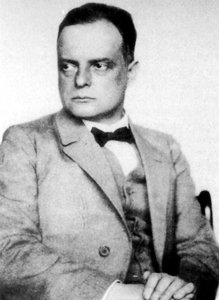
1879 - 1940 , Suiza

Discover the profound intersection of geometry and emotion in Cubist Expressionism. Explore art history through our expert analysis of modern masters and find museum-quality, hand-painted oil reproductions of iconic masterpieces for your collection.

Explore the profound impact of Minimalism and Geometric Abstraction. From Mondrian to Malevich, discover how stripping art to its essential forms revolutionized modern aesthetics through our expert-led historical guide.


Manténgase al día con las últimas noticias de arte, ofertas exclusivas e ideas de decoración.
Cuéntanos sobre tu proyecto y nuestros expertos en arte te ofrecerán 3 sugerencias de obras personalizadas.
Dejamos que nosotros seleccionemos 3 opciones exclusivas para ti – ¡Gratis!


 Vista previa
 Compartir
 Compartir
 Ver detalles

 Descargar
 Ver similares
 Radiografía
 Presentación de diapositivas
 Leer más







 La opción de vidrio solo está disponible en tamaños inferiores a 110 cm.