


x

Óleo sobre lienzo pintado a mano en el tamaño y marco de su elección, realizado por encargo por nuestros artistas. ( Pedir impresión Comprar descarga)





























Elija entre nuestros tamaños predefinidos que respetan las proporciones originales de la obra.

Puede ingresar sus propias dimensiones para adaptarse a un marco o espacio específico. Si el tamaño seleccionado no coincide con las proporciones de la imagen original, recortaremos la obra o extenderemos la pintura con elementos adicionales pintados a mano. Se le enviará una maqueta digital para su aprobación antes de comenzar la producción.
Tenga en cuenta que la vista previa en pantalla no refleja el recorte o la extensión reales. Solo la maqueta mostrará con precisión la composición final.
Si bien existen tamaños personalizados, recomendamos seleccionar una dimensión de la lista predefinida para preservar las proporciones originales.
Envío a todo el mundo () en 3-4 semanas en lugar de las 5 semanas estándar. (22 agosto). Sin comprometer la calidad.


La belle captive
Tamaño de la reproducción
René Magritte's La Belle Captive (1949) is not merely a depiction of a scene; it’s an invitation to question the very nature of observation and reality. This surrealist masterpiece, rendered with Magritte’s signature meticulous technique, presents a disquieting tableau – a man framed within a viewfinder, observing a tranquil landscape punctuated by a horse-drawn carriage and three indistinct figures. The painting immediately arrests the viewer's attention, drawing them into a world where appearances are deliberately deceptive, mirroring the anxieties of the post-war era and Magritte’s profound interest in challenging conventional perceptions.
Magritte's approach to painting was characterized by an almost obsessive attention to detail combined with a deliberate rejection of traditional representational techniques. La Belle Captive exemplifies this duality. The meticulous rendering of the horse-drawn carriage, the textures of the trees, and even the subtle reflections in the viewfinder demonstrate his technical prowess. However, it is precisely this realism that heightens the painting’s unsettling effect. He employed oil on canvas with a smooth, almost enamel-like finish, creating an illusion of depth and solidity that further emphasizes the artificiality of the scene. The use of muted colors – predominantly browns, greens, and blues – contributes to the overall atmosphere of quiet contemplation and subtle unease.
Painted in 1949, during a period of significant social and political upheaval following World War II, *La Belle Captive* resonates with the anxieties of its time. The viewfinder motif is particularly potent, representing the limitations of human perception and the constructed nature of reality. It echoes Magritte’s broader exploration of themes related to identity, memory, and the subconscious – ideas that were gaining traction within the Surrealist movement. The presence of the three indistinct figures adds another layer of mystery, perhaps symbolizing the unknowable aspects of human experience or the fragmented nature of collective memory. The painting can be interpreted as a commentary on the role of media in shaping our understanding of the world, and the potential for manipulation inherent in visual representation.
La Belle Captive possesses a profound emotional impact, prompting viewers to confront their own assumptions about what they see. It’s a painting that lingers in the mind long after initial observation, inviting repeated contemplation. Magritte's work continues to resonate with contemporary audiences due to its timeless exploration of fundamental questions about perception, reality, and the human condition. A hand-painted reproduction of this iconic artwork offers an unparalleled opportunity to experience the power and beauty of Magritte’s vision – a window into the unseen, forever challenging our understanding of the world around us.

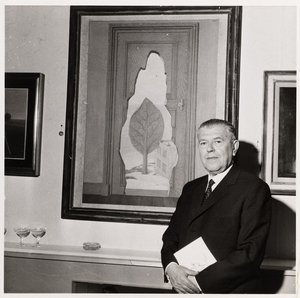
1898 - 1967 , bélgica

Explore the profound mystery of René Magritte’s 'The Treachery of Images.' Dive into an expert analysis of his Surrealist philosophy, the paradox of representation, and how he challenged reality through the interplay of language and visual perception.

Elevate your design projects with Most-Famous-Paintings's premium canvas prints and hand-painted reproductions. Discover affordable, museum-quality wall decor delivered worldwide, offering freelance decorators professional excellence, archival durability, and bespoke customization for every space.


Manténgase al día con las últimas noticias de arte, ofertas exclusivas e ideas de decoración.
Cuéntanos sobre tu proyecto y nuestros expertos en arte te ofrecerán 3 sugerencias de obras personalizadas.
Dejamos que nosotros seleccionemos 3 opciones exclusivas para ti – ¡Gratis!


 Vista previa
 Compartir
 Compartir
 Ver detalles

 Descargar
 Ver similares
 Radiografía
 Presentación de diapositivas

 Leer más







 La opción de vidrio solo está disponible en tamaños inferiores a 110 cm.


