x

Impresiones giclée o en lienzo de calidad de museo con producción rápida y opciones de acabado flexibles. ( Encargar reproducción pintada a mano Comprar descarga)





























Elija entre nuestros tamaños predefinidos que respetan las proporciones originales de la obra.

Puede introducir sus propias dimensiones para adaptarse a un marco o espacio específico. Si el tamaño seleccionado no coincide con las proporciones de la imagen original, recortaremos la obra de arte o extenderemos la imagen con un borde con efecto espejo o de color sólido. Se enviará una maqueta digital para su aprobación antes de que comience la producción.
Tenga en cuenta que la vista previa en pantalla no refleja el recorte o la extensión real. Solo la maqueta mostrará con precisión la composición final.
Aunque existen tamaños personalizados, recomendamos seleccionar una dimensión de la lista predefinida para preservar las proporciones originales.
Envío a todo el mundo () en 2 semanas en lugar de las 4/5 semanas estándar. (18 agosto)


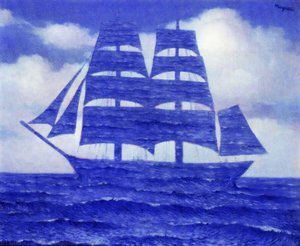
La parabole
Tamaño de la reproducción
René Magritte’s “La parabole,” painted in 1955, stands as a quintessential example of surrealist art—a genre that sought to liberate imagination from rational constraints and explore the subconscious realm. More than just an aesthetically pleasing image, it's a deliberate provocation, inviting viewers to question their perceptions of reality and delve into the complexities of human experience.
Magritte executed “La parabole” in gouache—a watercolor-based medium known for its opacity and ability to achieve rich, velvety tones. This technique lends itself beautifully to capturing the muted palette characteristic of Magritte’s oeuvre, emphasizing subtle gradations of color rather than bold hues. The artist meticulously blended shades of grey and ochre, creating an atmosphere of quiet contemplation.
"La parabole" emerged during the height of Magritte's engagement with surrealism—a movement born from the Dada nihilism of World War I and fueled by psychoanalytic theories pioneered by Sigmund Freud. Surrealists aimed to tap into dreams, fantasies, and irrational impulses as sources of artistic inspiration.
“The painter must depict what he sees,” Magritte famously declared, “but not necessarily what is there.” This statement encapsulates the core principle of surrealist art—the rejection of literal representation in favor of symbolic imagery that challenges conventional notions of truth. The painting’s central figure stands silently observing the buildings and trees, embodying the viewer's role as active participant in interpreting the artwork’s meaning.The most striking element of “La parabole” is its paradoxical juxtaposition of familiar objects—buildings and trees—within an unfamiliar setting. This visual dissonance underscores Magritte's preoccupation with the elusive nature of perception and his exploration of the gap between appearance and reality. The white house, often interpreted as representing intellect or enlightenment, obscures the face of the person in the foreground, symbolizing hidden knowledge and the impossibility of fully grasping the world around us.
"La parabole" lingers in the viewer’s mind long after encountering it—provoking contemplation about fundamental questions concerning consciousness and experience. Its quiet stillness and understated beauty invite introspection, prompting us to consider how our perceptions shape our understanding of reality. Magritte's masterpiece continues to resonate with audiences today as a testament to the enduring power of surrealist art to unsettle expectations and illuminate hidden truths.

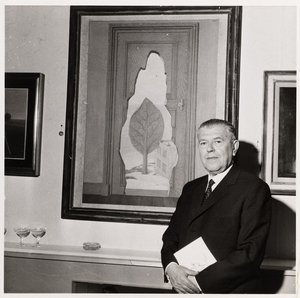
1898 - 1967 , bélgica

Explore the profound mystery of René Magritte’s 'The Treachery of Images.' Dive into an expert analysis of his Surrealist philosophy, the paradox of representation, and how he challenged reality through the interplay of language and visual perception.

Explore the profound depths of Surrealism. From Dalí’s dreamscapes to Magritte’s enigmas, master the history of the subconscious mind through our expert art guide and discover museum-quality oil reproductions of the world's most iconic surrealist masterpieces.


Manténgase al día con las últimas noticias de arte, ofertas exclusivas e ideas de decoración.
Cuéntanos sobre tu proyecto y nuestros expertos en arte te ofrecerán 3 sugerencias de obras personalizadas.
Dejamos que nosotros seleccionemos 3 opciones exclusivas para ti – ¡Gratis!


 Vista previa
 Compartir
 Compartir
 Ver detalles

 Descargar
 Ver similares
 Radiografía
 Presentación de diapositivas
 Leer más







 La opción de vidrio solo está disponible en tamaños inferiores a 110 cm.