x

Impresiones giclée o en lienzo de calidad de museo con producción rápida y opciones de acabado flexibles. ( Encargar reproducción pintada a mano Comprar descarga)





























Elija entre nuestros tamaños predefinidos que respetan las proporciones originales de la obra.

Puede introducir sus propias dimensiones para adaptarse a un marco o espacio específico. Si el tamaño seleccionado no coincide con las proporciones de la imagen original, recortaremos la obra de arte o extenderemos la imagen con un borde con efecto espejo o de color sólido. Se enviará una maqueta digital para su aprobación antes de que comience la producción.
Tenga en cuenta que la vista previa en pantalla no refleja el recorte o la extensión real. Solo la maqueta mostrará con precisión la composición final.
Aunque existen tamaños personalizados, recomendamos seleccionar una dimensión de la lista predefinida para preservar las proporciones originales.
Envío a todo el mundo () en 2 semanas en lugar de las 4/5 semanas estándar. (19 agosto)


Pleasure
Tamaño de la reproducción
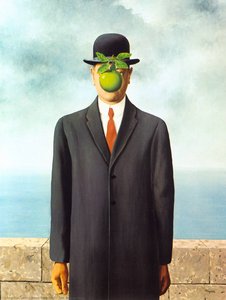
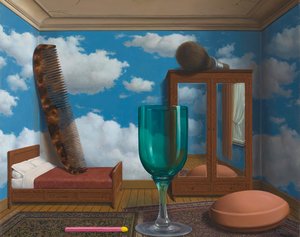
René Magritte's “Pleasure,” painted around 1965, is not merely a depiction of a woman and birds; it’s an immersion into the unsettling logic of the subconscious. This arresting image, characterized by its stark contrasts and dreamlike quality, exemplifies Magritte’s signature style – a deliberate disruption of reality designed to provoke contemplation on perception, identity, and the hidden anxieties lurking beneath the surface of everyday life. The painting's immediate impact is undeniably disturbing, yet it possesses an undeniable beauty rooted in its meticulous execution and profound thematic concerns.
Magritte's technique is characterized by its precise realism applied to utterly illogical scenarios. He meticulously rendered each element – the woman’s white collar, the texture of the tree bark, the feathers of the birds – with a level of detail that heightens the painting’s unsettling effect. This hyperrealism serves not to depict reality faithfully but rather to amplify the strangeness of the scene. The use of muted colors—primarily browns, whites, and grays—contributes to the overall mood of quiet contemplation and subtle horror. His brushwork is smooth and controlled, reflecting a deliberate rejection of Impressionistic spontaneity in favor of a more intellectual approach to representation.
The symbolism within “Pleasure” is layered and open to interpretation, deeply rooted in Magritte’s personal history. The most significant element is undoubtedly the woman's face, bearing traces of blood – a direct reference to his mother’s death by drowning when he was thirteen. This event, a pivotal moment that shaped his entire artistic trajectory, manifests as a recurring motif throughout his work: veiled figures, obscured identities, and explorations of loss and trauma. The birds themselves are often interpreted as symbols of freedom, but here they seem trapped in a macabre ritual, mirroring the woman’s own sense of confinement within her memories.
"Pleasure" was created during a period when Surrealism was evolving beyond its initial focus on dreamlike imagery. Magritte's work increasingly explored philosophical questions about reality and representation, reflecting the broader intellectual currents of the mid-20th century. The painting’s emotional impact is profound – it evokes feelings of anxiety, disorientation, and a deep sense of melancholy. It’s a reminder that beneath the veneer of everyday life lies a world of hidden emotions and unresolved traumas. This piece resonates with collectors seeking works that challenge conventional perceptions and invite prolonged contemplation.

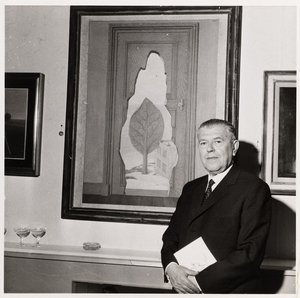
1898 - 1967 , bélgica

Explore the profound mystery of René Magritte’s 'The Treachery of Images.' Dive into an expert analysis of his Surrealist philosophy, the paradox of representation, and how he challenged reality through the interplay of language and visual perception.

Elevate your design projects with Most-Famous-Paintings's premium canvas prints and hand-painted reproductions. Discover affordable, museum-quality wall decor delivered worldwide, offering freelance decorators professional excellence, archival durability, and bespoke customization for every space.


Manténgase al día con las últimas noticias de arte, ofertas exclusivas e ideas de decoración.
Cuéntanos sobre tu proyecto y nuestros expertos en arte te ofrecerán 3 sugerencias de obras personalizadas.
Dejamos que nosotros seleccionemos 3 opciones exclusivas para ti – ¡Gratis!


 Vista previa
 Compartir
 Compartir
 Ver detalles

 Descargar
 Ver similares
 Radiografía
 Presentación de diapositivas

 Leer más







 La opción de vidrio solo está disponible en tamaños inferiores a 110 cm.