x

 Acrílico sobre lienzoArte de paredEarly Netherlandish Renaissance
 1460
1460 31.0 x 22.0 cm
 Museo Metropolitano de Arte
Óleo sobre lienzo pintado a mano en el tamaño y marco de su elección, realizado por encargo por nuestros artistas. ( Pedir impresión Comprar descarga)





























Elija entre nuestros tamaños predefinidos que respetan las proporciones originales de la obra.

Puede ingresar sus propias dimensiones para adaptarse a un marco o espacio específico. Si el tamaño seleccionado no coincide con las proporciones de la imagen original, recortaremos la obra o extenderemos la pintura con elementos adicionales pintados a mano. Se le enviará una maqueta digital para su aprobación antes de comenzar la producción.
Tenga en cuenta que la vista previa en pantalla no refleja el recorte o la extensión reales. Solo la maqueta mostrará con precisión la composición final.
Si bien existen tamaños personalizados, recomendamos seleccionar una dimensión de la lista predefinida para preservar las proporciones originales.
Envío a todo el mundo () en 3-4 semanas en lugar de las 5 semanas estándar. (19 agosto). Sin comprometer la calidad.


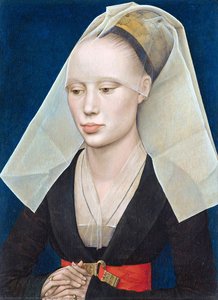
Francesco I d'Este
Tamaño de la reproducción
Rogier van der Weyden’s “Francesco d’Este” stands as an exceptional testament to Early Netherlandish painting—a genre characterized by its meticulous realism, profound psychological depth, and unwavering devotion to religious iconography. Painted circa 1460, this portrait transcends mere representation; it captures the essence of aristocratic status and conveys a palpable sense of solemn contemplation.
Subject Matter & Context: The painting depicts Francesco I d’Este, son of Alfonso III d’Este, Duke of Modena and Reggio. As was customary at the Este court during this period, young Francesco embarked on military training abroad—specifically in Liège—where he absorbed the influences of humanist scholarship and artistic innovation. This commission reflects the patronage prevalent amongst wealthy Italian families eager to commemorate their lineage and secure their legacy through visual art.
Style & Technique: Van der Weyden’s mastery is immediately evident in his masterful handling of chiaroscuro—the dramatic interplay between light and shadow—which sculpts the sitter's face and drapery with remarkable precision. The artist employs a glazing technique, layering thin translucent washes of pigment over thicker undercoats to achieve luminous colors and unparalleled textural richness. This meticulous approach aligns perfectly with the prevailing artistic ideals of the Burgundian Renaissance.
Symbolism & Composition: Beyond its formal beauty, “Francesco d’Este” is laden with symbolic significance. The sitter’s gaze directs towards the viewer—a convention reflecting the humanist preoccupation with human dignity and introspection—establishing a direct connection between subject and observer. The inclusion of a ring on Francesco's finger symbolizes his noble lineage and marital status, reinforcing the portrait’s overarching message of aristocratic pride and stability. Furthermore, the architectural backdrop—likely inspired by Florentine palaces—represents power and grandeur.
Emotional Impact: Viewing “Francesco d’Este” evokes a feeling of quiet reverence. Van der Weyden skillfully conveys Francesco's inner composure through subtle facial expressions and posture, capturing a moment of profound thoughtfulness. The painting’s serene atmosphere invites contemplation on themes of honor, duty, and the enduring legacy of noble families—a timeless reflection of humanist values that continues to resonate with audiences today.
Further Exploration: For those interested in delving deeper into Rogier van der Weyden's artistic vision, we encourage you to consult Rogier van der Weyden’s Artist Database, where you can discover more biographical information and explore his other celebrated works like “The Lamentation of Christ.” You may also find inspiration in Hugo van der Goes’s Article Database, which examines the broader artistic landscape of the Early Netherlandish Renaissance.

1400 - 1464 , Bélgica

Descubre las 10 obras maestras del Renacimiento Flamenco Temprano. Explora la historia de Jan van Eyck, Robert Campin y más. Reproducciones de arte en Most-Famous-Paintings.com para decorar tu hogar con belleza y elegancia. ¡Explora la colección online!
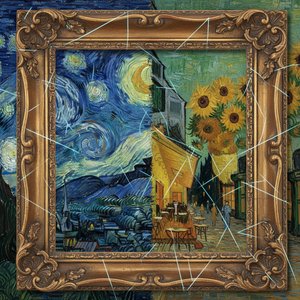
Descubre las 25 obras maestras de Van Gogh, desde 'La Noche Estrellada' hasta sus icónicos girasoles. Explora su vida, técnica impresionista y el profundo significado de cada cuadro. Reproducciones de arte de museo en Most-Famous-Paintings.com.

Explore the revolutionary art of Rogier van der Weyden, a pivotal figure of the Early Netherlandish Renaissance. Discover his emotional realism, innovative compositions, and lasting impact on painting history.

Descubre los 10 imprescindibles del Primitivo Flamenco: Jan van Eyck, Robert Campin y más. Explora la historia, simbolismo y técnica de estas obras maestras renacentistas tempranas. Encuentra reproducciones de arte de museo en Most-Famous-Paintings.com.

Explore the revolutionary art of Hugo van der Goes – a master of Early Netherlandish painting renowned for his dramatic realism, psychological depth & profound influence on Renaissance artists. Discover his iconic works and lasting legacy.


Manténgase al día con las últimas noticias de arte, ofertas exclusivas e ideas de decoración.
Cuéntanos sobre tu proyecto y nuestros expertos en arte te ofrecerán 3 sugerencias de obras personalizadas.
Dejamos que nosotros seleccionemos 3 opciones exclusivas para ti – ¡Gratis!


 Vista previa
 Compartir
 Compartir
 Ver detalles

 Descargar
 Ver similares
 Radiografía
 Presentación de diapositivas
 Leer más







 La opción de vidrio solo está disponible en tamaños inferiores a 110 cm.