Vende tu arte
Lista de deseos Carrito de compras Cart
x
Vista previaVista previa Vista previa en RAVista previa en RA Encargar reproducción pintada a mano Encargar reproducción pintada a manoComprar descarga Comprar descarga CompartirCompartir
Ver detallesVer detalles Añadir a favoritos Añadir a favoritos DescargarDescargar Ver similaresVer similares RadiografíaRadiografía Presentación de diapositivasPresentación de diapositivas

The Wedding Feast

Botticelli’s ethereal ‘Wedding Feast,’ painted during Florence's Renaissance, captivates with its serene depiction of a lavish banquet and angelic messengers—a celebration of divine grace and humanist ideals. Explore Sandro Botticelli’s masterpiece and bring timeless beauty into your home.

Explore la cautivadora obra de arte de Sandro Botticelli (1445-1510), un maestro de la pintura del Renacimiento Temprano. Conocido por su elegante linealidad, obras icónicas como 'El Nacimiento de Venus' & 'La Primavera', y por conectar los estilos gótico y renacentista. ¡Descubre su legado!

Giclée / Impresión de arte

Impresiones giclée o en lienzo de calidad de museo con producción rápida y opciones de acabado flexibles. (Encargar reproducción pintada a mano Encargar reproducción pintada a manoComprar descarga Comprar descarga)

P118B $10
P118H $10
P118W $10
P438Z $10
P508JH $12
P508YH $12
P805H $10
P805Z $10
P919BZ $10
P919G $10
P919XJ $10
P959ZH $10
P968JZ $12
W106C $8
W218G $10
W218JH $8
W218Y $10
W307PJ $10
W316G $10
W316PJ $8
W316Y $10
W398PJ $8
W4111J $10
W500HY $15
W500JH $15
W692G $12
W849H $8
W940BG $15
W953PJ $8

Standard
custom
CM
INCH

Elija entre nuestros tamaños predefinidos que respetan las proporciones originales de la obra.

ancho
altura

Puede introducir sus propias dimensiones para adaptarse a un marco o espacio específico. Si el tamaño seleccionado no coincide con las proporciones de la imagen original, recortaremos la obra de arte o extenderemos la imagen con un borde con efecto espejo o de color sólido. Se enviará una maqueta digital para su aprobación antes de que comience la producción.
Tenga en cuenta que la vista previa en pantalla no refleja el recorte o la extensión real. Solo la maqueta mostrará con precisión la composición final.
Aunque existen tamaños personalizados, recomendamos seleccionar una dimensión de la lista predefinida para preservar las proporciones originales.

Envío a todo el mundo () en 2 semanas en lugar de las 4/5 semanas estándar. (19 agosto)

why_choose_icon
Envío exprés gratuito a todo el mundo
why_choose_icon
Lienzo de lino de alta calidad
why_choose_icon
Seguro de envío completo
why_choose_icon
Garantía de reembolso de aranceles aduaneros
why_choose_icon
Garantía de fidelidad cromática exacta
why_choose_icon
Política de devolución de 60 días (solo por defectos)
why_choose_icon
Garantía de devolución del 100% del dinero
why_choose_icon
Oferta por volumen

Precio total

$ 68

reproduction

The Wedding Feast

Giclée / Impresión de arte

Tamaño de la reproducción

-

Precio total

$ 68

Datos clave

  • Notable elements or techniques: Floral motifs, mythological figures
  • Artist: Sandro Botticelli
  • Medium: Fresco
  • Movement: Early Renaissance
  • Influences: Francesco Rosselli
  • Subject or theme: Wedding celebration

Descripción de la pieza

The Wedding Feast: Botticelli’s Celebration of Fertility and Divine Grace

Botticelli's "The Wedding Feast" is more than just a depiction of a wedding celebration; it’s a profound meditation on themes of fertility, divine grace, and the triumph of hope over despair. Painted between 1482 and 1485 for Lorenzo di Piero Medici and his consort Marietta Corsini—a commission reflecting the Medicis' desire to solidify their lineage—the fresco embodies the humanist ideals prevalent in Florence during its golden age. Its location within Palazzo Medici Riccardi, a symbol of Florentine power and prestige, underscores its significance as an emblem of aristocratic ambition and artistic patronage.
  • Subject Matter: The scene portrays a lavish banquet hosted by Lorenzo and Marietta, attended by prominent Florentine families and dignitaries. Guests are seated at long tables laden with food—a deliberate reference to the biblical Wedding Feast at Cana—suggesting abundance and prosperity.
  • Style & Technique: Botticelli’s signature style is characterized by delicate lines, graceful figures, and a serene atmosphere achieved through meticulous observation of anatomy and drapery folds. The fresco utilizes tempera paint on plaster, a technique favored during the Renaissance for its luminosity and ability to capture subtle tonal variations—essential for conveying the ethereal quality of the depicted space.
  • Historical Context: Commissioned amidst the turbulent political landscape of Florence—marked by papal ambition and Medici rivalry—the painting reflects the humanist preoccupation with classical ideals and celebrates the virtues associated with marriage and family life. Botticelli’s work aligns perfectly with the broader artistic movement that sought to revive Greco-Roman aesthetics and philosophical thought.
  • Symbolism: The fresco is replete with symbolic imagery. The central figures—Lorenzo and Marietta—are flanked by angelic messengers, representing divine intervention and blessing upon their union. Notably, Botticelli incorporates references to biblical narratives, including the Wedding Feast at Cana itself, reinforcing the overarching theme of redemption and spiritual fulfillment.
  • Emotional Impact: “The Wedding Feast” exudes a palpable sense of joy and optimism—a deliberate counterpoint to the anxieties surrounding political instability. Botticelli’s masterful rendering captures not only the visual splendor of the banquet but also its emotional resonance, conveying a feeling of serene contentment and unwavering faith.

Botticelli's Workshop Collaboration: Expanding Artistic Vision

It is important to acknowledge that Botticelli rarely worked alone; he maintained a sizable workshop staffed by assistants who executed preparatory sketches and completed portions of larger projects. The Wedding Feast exemplifies this collaborative approach, demonstrating how artistic ideas could be disseminated and refined through multiple hands. Evidence suggests that Botticelli’s workshop produced numerous drawings and studies alongside the fresco itself—a testament to his commitment to exploring innovative techniques and expanding the scope of his creative endeavors.

Rediscovery & Legacy: From Obscurity to Artistic Icon

For decades after Botticelli's death in 1510, “The Wedding Feast” languished in obscurity—largely ignored by art historians and overshadowed by Leonardo da Vinci’s more celebrated works. However, the resurgence of interest in Botticelli’s oeuvre during the late Victorian era—fueled by the Pre-Raphaelites—transformed his reputation irrevocably. Artists like Dante Gabriel Rossetti championed Botticelli's aesthetic qualities, recognizing his unparalleled ability to convey grace and beauty. Today, “The Wedding Feast” stands as a cornerstone of Renaissance art history—a masterpiece admired for its exquisite craftsmanship, profound symbolism, and enduring appeal. Its reproductions continue to inspire collectors and interior designers alike, ensuring that Botticelli’s vision of divine celebration persists across generations.

Biografía del artista

vida temprana y formación

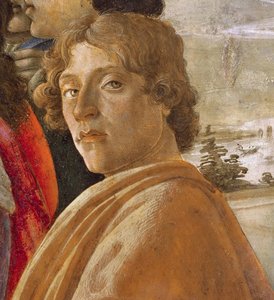
Sandro Botticelli, nacido Alessandro di Mariano di Vanni Filipepi alrededor de 1445, fue una figura clave en el Renacimiento temprano de la pintura italiana. Inicialmente eclipsado post mortem, la obra de Botticelli fue revitalizada a finales del siglo XIX por los pre-rafaelitas, lo que llevó a una reevaluación de sus contribuciones artísticas. Botticelli nació en Florencia, Italia, y vivió toda su vida en el mismo barrio. Su familia, incluyendo a su padre Mariano di Vanni d'Amadeo Filipepi, estuvo involucrada en diversas profesiones, lo que les permitió entrar en contacto con artistas. Giorgio Vasari informó que Botticelli fue inicialmente entrenado como joyero.

Estilo artístico y obras notables

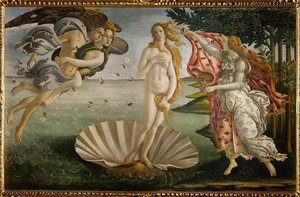
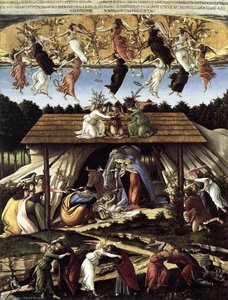
La obra de Botticelli se caracteriza por una elegante linealidad, que conecta el gótico tardío italiano con el Renacimiento temprano. Sus obras más famosas, El nacimiento de Venus y Primavera, se exhiben en la Galería Uffizi en Florencia, que alberga una importante colección de su arte. * El nacimiento de Venus (ver en Most-Famous-Paintings) * Primavera (explorar el arte de Sandro Botticelli en Most-Famous-Paintings) * La natividad mística (Galería Nacional, Londres), fechada en 1501, es la única obra de Botticelli con una fecha clara.

Legado e influencia

El estilo de Botticelli evolucionó hacia un enfoque más personal en la década de 1490, divergente de sus contemporáneos como Leonardo da Vinci y el estilo del Alto Renacimiento emergente. Su obra ha sido reconocida como una contribución significativa al movimiento artístico del Renacimiento italiano. * El movimiento artístico del Renacimiento italiano * Sandro Botticelli en Wikipedia
  • Artistas notables del Renacimiento italiano incluyen a Sandro Botticelli, Leonardo da Vinci, Miguel Ángel y Tiziano.
  • La Galería Uffizi de Florencia alberga una importante colección de arte de Botticelli.
  • La obra de Botticelli ha sido reconocida como una figura clave en el Renacimiento temprano de la pintura italiana.
Fechas clave: * 1445: Sandro Botticelli nació en Florencia, Italia. * 1474: Pasó tiempo en Pisa. * 1481-1482: Trabajó en la Capilla Sixtina en Roma. * 1501: La natividad mística (Galería Nacional, Londres) fue fechada.
Sandro Botticelli

Sandro Botticelli

1445 - 1510 , Italia

Datos clave

  • Artistas Que Influyeron:
    • Fra Angelico
    • Paolo Uccello
  • Estilo Artístico: Renacimiento Temprano
  • Fecha De Muerte: 1510
  • Fecha De Nacimiento: c. 1445
  • Influenciado A Artistas: ['Pre-Rafaelitas']
  • Lugar De Nacimiento: Florencia, Italia
  • Nacionalidad: Italiana
  • Nombre Completo: Sandro Botticelli
  • Obras Notables:
    • El Nacimiento de Venus
    • Primavera
    • Natividad Mística
Explore obras de arte organizadas por temas, estilos y características.