x

Óleo sobre lienzo pintado a mano en el tamaño y marco de su elección, realizado por encargo por nuestros artistas. ( Pedir impresión Comprar descarga)





























Elija entre nuestros tamaños predefinidos que respetan las proporciones originales de la obra.

Puede ingresar sus propias dimensiones para adaptarse a un marco o espacio específico. Si el tamaño seleccionado no coincide con las proporciones de la imagen original, recortaremos la obra o extenderemos la pintura con elementos adicionales pintados a mano. Se le enviará una maqueta digital para su aprobación antes de comenzar la producción.
Tenga en cuenta que la vista previa en pantalla no refleja el recorte o la extensión reales. Solo la maqueta mostrará con precisión la composición final.
Si bien existen tamaños personalizados, recomendamos seleccionar una dimensión de la lista predefinida para preservar las proporciones originales.
Envío a todo el mundo () en 3-4 semanas en lugar de las 5 semanas estándar. (17 agosto). Sin comprometer la calidad.


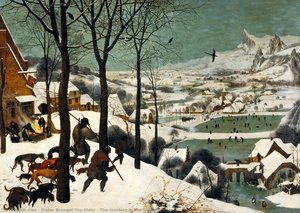
Juegos Infantiles (detalle)
Tamaño de la reproducción
Pieter Bruegel the Elder’s “Children’s Games” stands as an unparalleled achievement in Flemish Renaissance painting, capturing not merely a snapshot of daily life but an entire panorama of childhood activities during the sixteenth century. Executed in 1560 and now housed at the Kunsthistorisches Museum in Vienna, this oil-on-panel masterpiece transcends mere representation; it’s a profound meditation on human experience and societal values.
Pieter Bruegel the Elder was a pioneer in his time, distinguishing himself from contemporaries by prioritizing landscapes alongside peasant scenes as monumental canvases. He wasn't simply documenting what he saw; he actively sought to convey complex ideas about humanity’s relationship with nature and society. His innovative approach profoundly influenced Dutch Golden Age painting and reverberates through subsequent artistic movements.
The painting depicts over 90 distinct games played by children in a bustling street scene—a staggering number that reflects the vibrancy of childhood culture during Bruegel’s era. The composition is meticulously crafted, utilizing atmospheric perspective to create depth and conveying an overwhelming sense of movement. Observe how Bruegel skillfully employs chiaroscuro – dramatic contrasts between light and dark – to illuminate key figures and activities, drawing the viewer’s eye into the heart of the scene.
The central focus is on a group of children engaged in various pursuits: throwing balls, playing with sticks, and tending to animals. Two dogs are present—one positioned prominently near the center and another towards the right—adding to the dynamism of the composition. A bottle can be seen on the left side, likely belonging to one of the players, subtly hinting at social interactions.
"Children's Games" isn’t merely a beautiful painting; it’s a cultural document that speaks volumes about the values and beliefs of its time. David Teniers the Younger, Bruegel’s protégé and fellow genre painter, recognized the immense significance of this work, dedicating his artistic endeavors to exploring similar themes and capturing the spirit of everyday life.
Furthermore, “Children’s Games” has inspired filmmakers like Lars von Trier who utilize its imagery to convey profound ideas about human existence. Its enduring appeal testifies to Bruegel’s ability to distill complex concepts into a visually arresting experience—a testament to his artistic genius and lasting legacy.
"Children's Games" remains an unforgettable artwork, showcasing Bruegel’s mastery in portraying the complexities of human life. For those eager to delve deeper into this masterpiece, visit https://Most-Famous-Paintings.com to explore high-quality reproductions and gain insights into its artistic techniques and historical context.

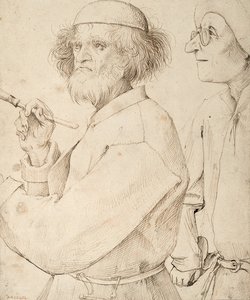
1525 - 1569 , Bélgica

Descubre el fascinante mundo del arte de videojuegos en edición limitada. Reproducciones de alta calidad y análisis experto para coleccionistas apasionados. ¡Invierte en piezas únicas!

Descubre el valor estético e identitario de los videojuegos como forma de arte moderna. Guía experta para coleccionistas, tendencias y análisis del mercado. ¡Invierte con conocimiento!

Explore the life & art of Pieter Bruegel the Elder, a pivotal figure of the Renaissance. Discover his groundbreaking genre scenes, symbolic landscapes, and lasting influence on art history. Learn more at Most-Famous-Paintings.
Descubre los 25 tesoros del Kunsthistorisches Museum de Viena. Explora obras maestras de Rafael, Rembrandt y Vermeer, su historia y técnica. Encuentra reproducciones de arte exclusivas para decorar tu hogar con elegancia. ¡Explora la colección completa en Most-Famous-Paintings.com!

Descubre el fascinante mundo del arte conceptual en videojuegos. Técnicas avanzadas, inspiración de Klimt y consejos expertos para crear mundos virtuales impresionantes. ¡Eleva tus diseños!


Manténgase al día con las últimas noticias de arte, ofertas exclusivas e ideas de decoración.
Cuéntanos sobre tu proyecto y nuestros expertos en arte te ofrecerán 3 sugerencias de obras personalizadas.
Dejamos que nosotros seleccionemos 3 opciones exclusivas para ti – ¡Gratis!


 Vista previa
 Compartir
 Compartir
 Ver detalles

 Descargar
 Ver similares
 Radiografía
 Presentación de diapositivas


 Leer más







 La opción de vidrio solo está disponible en tamaños inferiores a 110 cm.