x

 Acrylic On CanvasWallArtNorthern Renaissance
 1535
1535 9.0 x 7.0 cm
 Museo del Louvre
Adquiera una imagen digital de alta resolución y optimizada, muy superior a la vista previa en línea.
Cada archivo es preparado meticulosamente por nuestros especialistas internos mediante el uso de herramientas avanzadas y un experto retoque manual. Nos aseguramos de que cada imagen posea una claridad excepcional, una precisión cromática impecable y un detalle minucioso.
El archivo final se entrega por correo electrónico en un plazo de 72 horas, optimizado para su uso inmediato en entornos profesionales, editoriales y de impresión. Esta es la misma calidad en la que confían los estudios de diseño, las editoriales y las galerías de primer nivel.
Descarga un archivo de alta resolución para exhibición personal, impresión y proyectos creativos. ( Pedir impresión Encargar reproducción pintada a mano)
Al elegir Most-Famous-Paintings.com, no solo está adquiriendo una imagen; está recibiendo una obra de arte digital mejorada profesionalmente, elaborada con precisión y respaldada por una garantía de satisfacción. Esto es todo lo que incluye su pedido, automáticamente:

Recibirá su archivo de imagen digital en alta resolución por correo electrónico en un plazo de 72 horas tras realizar su pedido, listo para su uso inmediato.

Su obra de arte se optimiza profesionalmente mediante herramientas avanzadas de IA y edición manual, garantizando el máximo detalle, claridad y precisión cromática.

¿Has borrado o perdido tu archivo por error? No te preocupes: te lo volveremos a enviar en cualquier momento, sin coste adicional.

Disfrute de su obra de arte al instante sin aduanas, aranceles ni gastos de envío; las descargas digitales siempre están libres de impuestos.

Garantizamos que su imagen digital refleje los colores originales con la mayor fidelidad posible, mediante el uso de herramientas profesionales y gestión del color.

Si no está satisfecho con su imagen digital, la revisaremos o le reembolsaremos el 100% en un plazo de 60 días, sin preguntas.

¿No está satisfecho? Obtenga un reembolso completo dentro de los 60 días posteriores a la recepción de su archivo digital, sin necesidad de explicaciones.

Compra 3 imágenes, ahorra 10% - Compra 5, ahorra 15% - Compra 10+, ahorra 20%. Ideal para proyectos creativos, galerías y agencias.
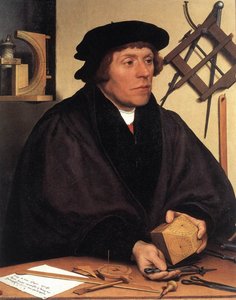
Within the hushed reverence of the Musée du Louvre in Paris resides a miniature painting that transcends its diminutive size, offering an intimate glimpse into the life and artistic vision of Simon Bening. His “Self-Portrait,” created in 1535, is not merely a likeness; it’s a carefully constructed statement about identity, skill, and the burgeoning humanist ideals of the Renaissance. Measuring just 9 x 7 centimeters on vellum, this work embodies the meticulous detail characteristic of Bening's illuminatory practice – a testament to his mastery of color, light, and texture. The painting immediately draws the eye with its stark contrast: the deep, somber tones of the artist’s clothing against the luminous white collar, a deliberate choice that elevates him as both subject and focal point.
Bening, born in Ghent around 1483, was deeply rooted in the artistic traditions of Flanders. His father, Alexander Bening, was himself an illuminator, and Simon inherited not only his technical skills but also a profound appreciation for the intricate beauty of manuscript decoration. This background profoundly shaped his style – a harmonious blend of Northern European realism with a subtle, almost ethereal quality. The painting’s composition is deceptively simple: Bening presents himself in profile, clad in a dark robe that suggests both status and introspection. The careful rendering of fabric folds, the delicate texture of his hair, and the precise detail of his hands all speak to Bening's dedication to capturing the essence of his subject with unparalleled accuracy.
To fully appreciate “Self-Portrait,” one must consider the materials and techniques employed by Bening. Vellum, a type of animal skin parchment, was prized for its smoothness and durability – ideal for the delicate work of miniature painting. The use of oil paints allowed Bening to achieve subtle gradations of color and create a remarkable sense of depth and volume within such a small space. Notably, he masterfully employed illumination techniques, evident in the careful blending of light and shadow that gives the portrait a three-dimensional quality. This wasn’t simply about replicating appearance; it was about capturing the *feeling* of presence – an achievement rarely seen in portraits of this period.
Furthermore, Bening's background as an illuminator profoundly influenced his approach to detail. He meticulously rendered every element, from the folds of his robe to the glint of light on his collar. This attention to detail wasn’t merely decorative; it reflected a deep understanding of perspective and spatial relationships – skills honed through years of working with complex illuminated manuscripts. The painting is a miniature masterpiece, showcasing not just artistic talent but also a profound technical mastery.
“Self-Portrait” offers a valuable window into the cultural and intellectual landscape of 16th-century Europe. The Renaissance witnessed a renewed interest in classical art, humanism, and individual achievement – themes that are subtly reflected in Bening’s work. The act of self-portraiture itself was becoming increasingly common during this period, as artists sought to assert their own identity and celebrate their creative abilities. This wasn't simply vanity; it was a deliberate assertion of artistic agency.
The painting’s provenance – its presence in the Louvre – further underscores its historical significance. The Musée du Louvre, one of the world’s largest and most prestigious art museums, has amassed an unparalleled collection of European masterpieces spanning centuries. “Self-Portrait” stands as a testament to Bening's enduring legacy and his place within this remarkable artistic canon. It is a tangible link to a pivotal moment in Western art history – a time of profound change, innovation, and the celebration of human potential.
While experiencing “Self-Portrait” firsthand at the Louvre remains the ideal, high-quality reproductions offer an accessible way to appreciate Bening’s artistry. Most-Famous-Paintings.com offers stunning prints that faithfully capture the painting's intricate details and luminous quality. Consider a custom reproduction in a size that complements your space – perhaps on canvas for a dramatic statement or on fine art paper for a more subtle elegance.
Beyond its aesthetic appeal, “Self-Portrait” is a powerful reminder of the enduring human desire to understand ourselves and our place in the world. It’s an invitation to contemplate the complexities of identity, the pursuit of artistic excellence, and the timeless beauty of a Renaissance masterpiece.


1483 - 1561


Manténgase al día con las últimas noticias de arte, ofertas exclusivas e ideas de decoración.
Cuéntanos sobre tu proyecto y nuestros expertos en arte te ofrecerán 3 sugerencias de obras personalizadas.
Dejamos que nosotros seleccionemos 3 opciones exclusivas para ti – ¡Gratis!


 Vista previa
 Compartir
 Compartir
 Ver detalles

 Descargar
 Ver similares
 Radiografía
 Presentación de diapositivas
 Leer más