x


 Encargar reproducción Comprar imagen en alta resolución
 Enviar
 Detalles
 Añadir a favoritos
 Descargar
 Similares
 Radiografía
 Presentación de diapositivas
 Oil On CanvasWallArtBaroque
 1615Early Modern
 64.0 x 48.0 cm
 Musée Réattu
Impresión giclée o en lienzo de calidad de museo con producción rápida y opciones de acabado flexibles.





























Elija entre nuestros tamaños predefinidos que respetan las proporciones originales de la obra.

Puede introducir sus propias dimensiones para adaptarse a un marco o espacio específico. Si el tamaño seleccionado no coincide con las proporciones de la imagen original, recortaremos la obra de arte o extenderemos la imagen con un borde con efecto espejo o de color sólido. Se enviará una maqueta digital para su aprobación antes de que comience la producción.
Tenga en cuenta que la vista previa en pantalla no refleja el recorte o la extensión real. Solo la maqueta mostrará con precisión la composición final.
Aunque existen tamaños personalizados, recomendamos seleccionar una dimensión de la lista predefinida para preservar las proporciones originales.
Entrega mundial () en 2 semanas en lugar de las 4/5 semanas estándar. (23 julio)


Self-Portrait
Tamaño de la reproducción
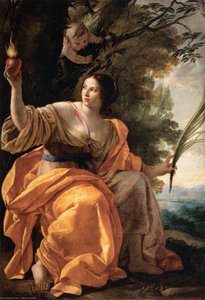
To stand before this self-portrait is to encounter not merely paint on canvas, but a direct conduit to the vibrant, ambitious spirit of early 17th-century Paris. Painted around 1615, this work captures the artist at a pivotal moment in his career—a time when he was solidifying his reputation as a master painter navigating the transition from Mannerism into the dramatic sweep of the Baroque style. The subject gazes out with an intense, knowing directness; it is the gaze of a man acutely aware of his own artistic power.
The sitter presents himself in meticulous detail, commanding attention through both his bearing and his costume. His prominent beard, featuring a carefully sculpted mustache and goatee, speaks to the fashionable masculinity of the era. He is clad in rich browns, offset by the exquisite formality of a ruffled collar—a hallmark of period portraiture that speaks volumes about social standing. The artist has paid painstaking attention to rendering these textures; one can almost feel the crisp linen of the ruff against the depth of his woolen garments. This careful presentation suggests a man of means, an intellectual, and perhaps, most importantly, a celebrated artisan.
Technically, the painting is a testament to Simon Vouet’s burgeoning skill. The handling of light against shadow—the dramatic chiaroscuro that defines so much of Baroque art—is masterful. The dark background serves not as an empty void, but rather as a velvet curtain drawn back to illuminate the subject. This technique forces the viewer's eye directly onto the face and hands, emphasizing psychological depth over mere physical likeness. Vouet’s ability to render skin tones with such luminosity, contrasted against the deep shadows, elevates this portrait beyond simple documentation into something deeply emotive.
Considering Simon Vouet's own biography—a painter whose early travels took him from England through the Ottoman Empire to Venice—this self-portrait feels imbued with the spirit of a cosmopolitan artist. He is channeling the energy of those grand European journeys, bringing back influences that fuel his unique vision. Owning a reproduction of this piece allows one to bring home not just an image, but a tangible echo of Baroque ambition: a period defined by drama, emotional intensity, and unparalleled artistic self-regard. It serves as a powerful focal point for any space seeking historical gravitas and undeniable artistic flair.

Simón Vouet fue una figura clave en la transición de la pintura francesa del manierismo al estilo barroco. Nacido en una familia artística – su padre Laurent era pintor y su hermano Aubin también se dedicó al arte – Vouet recibió una formación temprana que sentó las bases para su futuro éxito. Su nieto, Ludovico Dorigny, continuaría el legado artístico de la familia.
Durante su estancia italiana, Vouet absorbió una diversa gama de influencias. Estudió las técnicas de iluminación dramática pioneras por Caravaggio, abrazó elementos del manierismo italiano y analizó meticulosamente las paletas de colores y el di sotto in su (perspectiva acortada) empleadas por Paolo Veronese. También se inspiró en las obras de Carracci, Guercino, Lanfranco y Guido Reni, sintetizando estos diversos estilos en una visión artística única.
El legado de Simón Vouet reside en su papel fundamental como puente entre el arte italiano y francés. Importó con éxito el dinamismo y la grandeza del barroco italiano, transformándolo en un estilo que resonaba con los gustos de la corte y la aristocracia francesas. Su influencia es innegable en el desarrollo de la pintura francesa durante el siglo XVII, y sus contribuciones continúan siendo reconocidas por los historiadores del arte en la actualidad.

1590 - 1649 , Francia
Descubre los 25 tesoros de la Alte Pinakothek en Munich. Explora obras maestras de Dürer, Rembrandt y Rubens. Historia del arte renacentista y barroco para inspirar tu hogar. Reproducciones de alta calidad en Most-Famous-Paintings.com.
Descubre las 25 obras maestras de Sandro Botticelli, el genio del Renacimiento italiano. Explora 'El Nacimiento de Venus', 'Primavera' y más: historia, técnica y belleza clásica. Encuentra reproducciones de arte exclusivas en Most-Famous-Paintings.com.

Descubre las 25 obras maestras del MET de Nueva York: Van Gogh, Monet, Rembrandt y más. Explora la historia, el arte y los colores que inspiran tu hogar. Reproducciones de museo en Most-Famous-Paintings.com.
Descubre las 25 obras maestras del National Gallery of Art, Washington. Explora la historia de Cézanne, Matisse, Picasso y más. Encuentra reproducciones de arte exclusivas e ideas para decorar tu hogar con lienzos inolvidables en Most-Famous-Paintings.com.
Descubre las 25 obras maestras de James Abbott McNeill Whistler, el maestro del impresionismo y la armonía en arte. Explora retratos icónicos, nocturnos evocadores y su innovadora paleta de colores. Reproducciones de arte exclusivas en Most-Famous-Paintings.com.


Manténgase al día con las últimas noticias de arte, ofertas exclusivas e ideas de decoración.
Cuéntanos sobre tu proyecto y nuestros expertos en arte te ofrecerán 3 sugerencias de obras personalizadas.
Permítenos seleccionar 3 opciones solo para ti – ¡Gratis!


 Compartir

 Ver más







 La opción de vidrio solo está disponible en tamaños inferiores a 110 cm.