


x

 Óleo sobre lienzoArte de paredBaroque
 1550
1550 115.0 x 84.0 cm
Óleo sobre lienzo pintado a mano en el tamaño y marco de su elección, realizado por encargo por nuestros artistas. ( Comprar impresión Comprar imagen)





























Elija entre nuestros tamaños predefinidos que respetan las proporciones originales de la obra.

Puede ingresar sus propias dimensiones para adaptarse a un marco o espacio específico. Si el tamaño seleccionado no coincide con las proporciones de la imagen original, recortaremos la obra o extenderemos la pintura con elementos adicionales pintados a mano. Se le enviará una maqueta digital para su aprobación antes de comenzar la producción.
Tenga en cuenta que la vista previa en pantalla no refleja el recorte o la extensión reales. Solo la maqueta mostrará con precisión la composición final.
Si bien existen tamaños personalizados, recomendamos seleccionar una dimensión de la lista predefinida para preservar las proporciones originales.
Envío a todo el mundo () en 3-4 semanas en lugar de las 5 semanas estándar. (23 agosto). Sin comprometer la calidad.


Venus with a Mirror
Dimensiones de la reproducción
Tiziano Vecellio’s “Venus with a Mirror,” painted in 1550, is more than just a depiction of the goddess; it’s an exquisitely rendered meditation on beauty, self-awareness, and the very nature of artistic creation. This masterpiece, measuring 115 x 84 cm, immediately captivates with its rich palette – warm flesh tones that seem to glow from within, contrasted by a dramatically dark background that intensifies the sense of intimacy and seclusion. The painting’s power resides not just in Titian's technical brilliance but also in his ability to imbue a classical subject with a profoundly human quality.
The symbolism within “Venus with a Mirror” is layered and open to interpretation. At its most literal level, it depicts Venus, the Roman goddess of love and beauty, engaging in an act of self-reflection. However, the mirror itself carries significant weight. It’s not merely a tool for vanity; it represents a quest for knowledge, a confrontation with one's own image, and perhaps even a reflection of the artist’s creative process – Titian himself gazing into the canvas to capture the essence of his subject.
"Venus with a Mirror" quickly established itself as a pivotal work in art history, profoundly influencing generations of artists. Its innovative composition, characterized by its dramatic use of light and shadow, and the sensual depiction of the female form, became hallmarks of Renaissance painting. The impact of this piece can be seen in the works of Peter Paul Rubens and Diego Velázquez, who both drew inspiration from Titian’s masterful approach to color and anatomy.
Most-Famous-Paintings.com offers meticulously crafted, hand-painted reproductions of “Venus with a Mirror” by Titian, capturing the essence of this iconic artwork. Each reproduction is created using traditional oil painting techniques and archival materials, ensuring its longevity and beauty for generations to come. Bring the drama, color, and profound symbolism of this Renaissance masterpiece into your home or office – a testament to artistic genius and enduring allure.

Tiziano Vecellio, universally known as Titian, stands as a monumental figure of the Italian Renaissance—perhaps its most celebrated colorist and a master who redefined the possibilities of oil painting. Born around 1490 in Pieve di Cadore, nestled amidst the dramatic landscapes of the Venetian Alps, his journey from humble beginnings to international acclaim is a testament to prodigious talent and an unwavering dedication to artistic innovation. The exact date of Titian’s birth remains elusive, debated by scholars, but contemporary sources and his early stylistic development converge on estimates between 1488 and 1490.
His father, Gregorio Vecellio, was a military man—a profession that instilled in young Tiziano a disciplined spirit and an appreciation for observation. Lucia, his mother, nurtured him with affection and fostered his artistic inclinations. Recognizing their sons’ potential, the family arranged for Tiziano and Francesco to apprentice with Sebastiano Zuccato, a mosaicist—a decision that would irrevocably alter the course of art history. This formative experience exposed them to the meticulous craftsmanship required for creating intricate decorative panels, shaping their aesthetic sensibilities from an early age.
Titian’s artistic training continued under Giovanni Bellini, who was then Venice’s most prominent painter and a revered teacher. Bellini’s workshop fostered a tradition of Venetian painting characterized by lyrical beauty and subtle tonal harmonies—influences that would permeate Titian’s oeuvre throughout his life. Notably, he collaborated closely with Giorgione—a fellow Venetian artist whose groundbreaking style championed atmospheric perspective and psychological depth.
The partnership between Titian and Giorgione proved pivotal in shaping Titian’s artistic vision. Their collaboration on the exterior frescoes for the Fondaco dei Tedeschi—a bustling trading post frequented by German merchants—established a stylistic precedent that would endure for decades. The paintings showcased a remarkable sensitivity to light and color, reflecting Giorgione’s pioneering exploration of atmospheric perspective—a technique that aimed to convey the illusion of depth and realism.
Titian’s early works embody this Giorgionesque aesthetic—characterized by hazy landscapes, muted palettes, and an emphasis on capturing mood rather than precise detail. Paintings like *A Man with a Quilted Sleeve* exemplify his burgeoning talent for portraiture, skillfully portraying not only the physical likeness of his subjects but also their inner character—a hallmark of Venetian Renaissance painting.
Following Giorgione’s untimely death in 1510, Titian continued his artistic development under Giovanni Bellini’s guidance—though Bellini himself was gradually withdrawing from active painting. This period witnessed a gradual shift toward bolder compositions and more assertive color palettes—reflecting Titian’s growing confidence as an independent artist.
His monumental altarpiece for Santa Maria Gloriosa dei Frari—commissioned in 1518—marked a watershed moment in Venetian painting history. The ambitious undertaking demanded mastery of technique, compositional innovation, and chromatic brilliance—qualities that Titian possessed in abundance. This masterpiece cemented his reputation as Venice’s foremost painter and established him as a pioneer of monumental fresco painting.
Titian’s influence extended far beyond his own lifetime, shaping the artistic landscape of Europe for centuries to come. He became a cornerstone of the Venetian school—a movement that championed coloristic realism and psychological depth—inspiring artists across generations. From Rubens and Rembrandt to Delacroix and Monet, Titian’s techniques—particularly his innovative layering of pigments and his masterful manipulation of light—became models for aspiring painters.
His legacy endures not only in the masterpieces he created but also in the enduring fascination with color and emotion that characterizes Venetian art. Tiziano Vecellio—Titian—remains an unparalleled figure in the history of painting, a testament to artistic genius and an embodiment of the Renaissance spirit.
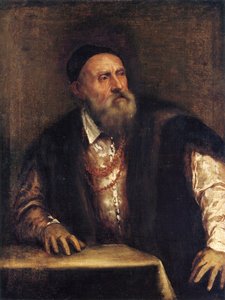
1490 - 1576 , Italia

Descubra el legado de la pintura al óleo hecha a mano. Reproducciones fieles por artistas expertos, asesoramiento profesional y una inversión artística duradera con Most-Famous-Paintings.com.

Descubre reproducciones de arte excepcionales hechas por artistas expertos. Lienzos personalizados y réplicas fieles con garantía de calidad museo. ¡Preserva el patrimonio visual!
Descubre el arte de la reproducción al óleo artesanal con Most-Famous-Paintings. Reproducciones fieles hechas a mano por expertos, personalización y asesoramiento profesional para galerías y hogares. ¡Invierte en belleza duradera!

Descubre cómo convertir tus NFTs en ingresos reales con reproducciones de óleo artesanal de Most-Famous-Paintings. Expertos en calidad y autenticidad, garantizamos entrega segura y satisfacción total. Transforma tu colección hoy.
Descubra la fascinante transformación del autorretrato en óleo, desde el 'selfie' hasta obras maestras contemporáneas. Guía experta para coleccionistas y amantes del arte. ¡Encuentre su obra única!


Manténgase al día con las últimas noticias de arte, ofertas exclusivas e ideas de decoración.
Cuéntanos sobre tu proyecto y nuestros expertos en arte te ofrecerán 3 sugerencias de obras personalizadas.
Permítenos seleccionar 3 opciones exclusivas para ti – ¡Gratis!


 Ver en contexto
 Enviar
 Compartir
 Detalles

 Descargar
 Similares
 Radiografía
 Presentación de diapositivas
 Ver más







 La opción de vidrio solo está disponible en tamaños inferiores a 110 cm.


