x

Impresiones giclée o en lienzo de calidad de museo con producción rápida y opciones de acabado flexibles. ( Encargar reproducción pintada a mano Comprar descarga)





























Elija entre nuestros tamaños predefinidos que respetan las proporciones originales de la obra.

Puede introducir sus propias dimensiones para adaptarse a un marco o espacio específico. Si el tamaño seleccionado no coincide con las proporciones de la imagen original, recortaremos la obra de arte o extenderemos la imagen con un borde con efecto espejo o de color sólido. Se enviará una maqueta digital para su aprobación antes de que comience la producción.
Tenga en cuenta que la vista previa en pantalla no refleja el recorte o la extensión real. Solo la maqueta mostrará con precisión la composición final.
Aunque existen tamaños personalizados, recomendamos seleccionar una dimensión de la lista predefinida para preservar las proporciones originales.
Envío a todo el mundo () en 2 semanas en lugar de las 4/5 semanas estándar. (19 agosto)


A Tree in Naples
Tamaño de la reproducción
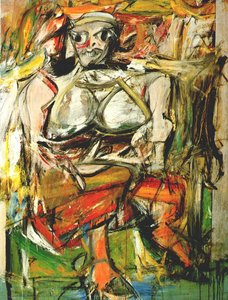
“A Tree in Naples,” created by Willem de Kooning in 1960, stands as a pivotal work within the realm of Abstract Expressionism—a movement that irrevocably altered the trajectory of American art history. More than just a depiction of foliage, this painting embodies De Kooning’s profound engagement with the natural world and his masterful translation of its intangible qualities into visual form.
De Kooning himself articulated his inspiration: “Just coming around roads, some place, and having the sensation of a piece of it, a piece of nature, like a fence, something on the road. And I really get very elated by again looking, by again seeing that the sky is blue, that the grass is green.” This heartfelt declaration reveals an artist deeply attuned to sensory experience—a desire to capture not merely what he *saw*, but how it *felt*. It’s this emotive impulse that distinguishes “A Tree in Naples” from more conventional landscape representations.
Rejecting the meticulous precision demanded by representational art, De Kooning embraced a technique characterized by bold brushstrokes—heavy, expansive marks applied with confidence and spontaneity. The palette knife became his favored tool, layering paint onto the canvas to generate texture and depth that transcends mere visual appearance. Vibrant hues of blues, reds, whites, blacks, and subtle yellows coalesce into an energetic composition.
This approach aligns perfectly with the core tenets of Abstract Expressionism—a movement born from the ashes of World War II and fueled by a yearning for artistic freedom. Artists like Jackson Pollock and Franz Kline championed gesture as paramount to conveying emotion; De Kooning’s method reflects this ethos, prioritizing process over product.
"A Tree in Naples" emerged during the formative years of the New York School—a collective of artists who spearheaded the revolution against academic conventions. Influenced by Surrealism and Dada, these pioneers sought to liberate art from constraints of logic and reason, prioritizing subjective experience and emotional intensity.
De Kooning’s work exemplifies this spirit, mirroring the broader artistic landscape of the postwar era—a period marked by experimentation and a rejection of established norms. The painting's stylistic choices resonate with the broader movement's preoccupation with capturing the immediacy of feeling and responding to the anxieties of the time.
Despite its lack of recognizable imagery, “A Tree in Naples” possesses a palpable emotional resonance. The dynamic interplay of color and line evokes a sense of vitality—a celebration of nature’s energy and beauty. Rather than representing a specific tree, De Kooning aims to convey the *essence* of landscape experience: the light, the air, the overall sensory impression.
The simplification of visual vocabulary invites viewers to engage in active interpretation—to imbue the artwork with their own personal meanings. Ultimately, “A Tree in Naples” serves as a testament to De Kooning’s ability to transform observation into profound artistic expression.


1904 - 1997 , Países Bajos

Descubre las 10 obras maestras del Expresionismo Abstracto: Pollock, Rothko y más. Explora la historia, técnica y significado de estos lienzos icónicos. Reproducciones de arte exclusivas en .
Descubre las 25 obras maestras de Goya, el genio español. Explora retratos icónicos, 'Los Caprichos' y 'Las Pinturas Negras'. Reproducciones de arte en lienzo de alta calidad para decorar tu hogar con estilo. ¡Encuentra tu obra favorita en Most-Famous-Paintings.com!

APS ofrece reproducciones de bellas artes y encargos personalizados desde 2004. Confían en nosotros corporaciones, hoteles y coleccionistas selectos para obras de arte de calidad museística, servicio discreto y soluciones artísticas completas. ¡Póngase en contacto con nosotros para obtener un presupuesto personalizado!

Explore the evolution of Willem de Kooning's iconic Abstract Expressionist paintings. Discover his signature style, key themes & investment potential with expert insights for discerning art collectors.

Descubra el Expresionismo Abstracto en profundidad. Análisis de artistas clave como Rothko y Richter, su contexto histórico e inversión en arte. Guía experta para coleccionistas.


Manténgase al día con las últimas noticias de arte, ofertas exclusivas e ideas de decoración.
Cuéntanos sobre tu proyecto y nuestros expertos en arte te ofrecerán 3 sugerencias de obras personalizadas.
Dejamos que nosotros seleccionemos 3 opciones exclusivas para ti – ¡Gratis!


 Vista previa
 Compartir
 Compartir
 Ver detalles

 Descargar
 Ver similares
 Radiografía
 Presentación de diapositivas

 Leer más







 La opción de vidrio solo está disponible en tamaños inferiores a 110 cm.