x

 Oil On CanvasWallArtAbstract Expressionism
 1942Modern
 94.0 x 66.0 cm
Impresiones giclée o en lienzo de calidad de museo con producción rápida y opciones de acabado flexibles. ( Encargar reproducción pintada a mano Comprar descarga)





























Elija entre nuestros tamaños predefinidos que respetan las proporciones originales de la obra.

Puede introducir sus propias dimensiones para adaptarse a un marco o espacio específico. Si el tamaño seleccionado no coincide con las proporciones de la imagen original, recortaremos la obra de arte o extenderemos la imagen con un borde con efecto espejo o de color sólido. Se enviará una maqueta digital para su aprobación antes de que comience la producción.
Tenga en cuenta que la vista previa en pantalla no refleja el recorte o la extensión real. Solo la maqueta mostrará con precisión la composición final.
Aunque existen tamaños personalizados, recomendamos seleccionar una dimensión de la lista predefinida para preservar las proporciones originales.
Envío a todo el mundo () en 2 semanas en lugar de las 4/5 semanas estándar. (18 agosto)


The Acrobat
Tamaño de la reproducción
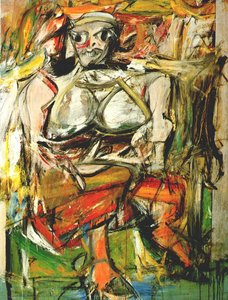
In Willem de Kooning’s 1942 masterpiece, The Acrobat, the viewer is immediately drawn into a profound state of quietude interrupted by an underlying tension. The painting presents a solitary man, dressed in a striking yellow shirt, seated in a moment of repose that feels far from peaceful. While his body remains still, his gaze is directed away from the observer, looking toward something unseen beyond the frame. This deliberate positioning creates an immediate sense of detachment and introspection, inviting those who stand before it to contemplate the complexities of the human psyche. There is a palpable melancholy in his expression, a feeling of being lost in thought, which transforms a simple portrait into a deep exploration of solitude.
Beyond its subject matter, The Acrobat serves as a powerful testament to the burgeoning movement of Abstract Expressionism. De Kooning eschews the precise, representational lines of traditional portraiture in favor of a more spontaneous and emotional language. The technique is characterized by thick, heavy impasto, where the paint is applied with such vigor that the canvas itself seems to pulsate with life. These expressive brushstrokes do not merely depict a man; they convey a state of being. The textured surfaces capture a sense of movement and struggle, as if the artist’s very gestures were an attempt to wrestle meaning from chaos. For the collector or interior designer, this piece offers a commanding presence, bringing a tactile, energetic dimension to any space.
To understand the true depth of this work, one must consider the historical shadow cast by its creation in 1942. As the world was gripped by the anxieties of World War II, de Kooning channeled that collective uncertainty into his art. The painting is rich with symbolic layers that speak to both resilience and mortality. While the man embodies the adaptability and inner fortitude of an acrobat—balancing through life's pressures—the inclusion of a clock on the wall serves as a poignant memento mori. It is a silent reminder of the relentless passage of time and the fleeting nature of existence. Through this delicate balance of subject and symbol, de Kooning creates a work that is not only visually captivating but emotionally resonant, making it an enduring inspiration for those who appreciate art that speaks to the very core of the human experience.


1904 - 1997 , Países Bajos

Explore the profound emotional depth of Lyrical Abstraction. Discover how masters like Raymond Parker used color and form to bridge Impressionism and Abstract Expressionism. Learn about this pivotal movement through our expert-led art history guide.

Explore the profound emotional depth of Color Field painting. Discover the history of mid-century abstraction, from Rothko to Newman, and learn how pure color transforms the viewer's experience through our expert art history guide.

Explore the profound history and emotional depth of Abstract Expressionism. From Jackson Pollock to Mark Rothko, master the nuances of the New York School through our expert art history guide. Discover museum-quality hand-painted reproductions for your collection.

Explore the profound impact of Abstract Expressionism. Discover how post-war artists used gesture and emotion to redefine modern art through Action Painting and the New York School. A definitive guide for students and collectors seeking deep historical context.

Explore the dramatic mastery of the Dutch Baroque era. Discover how masters like Rembrandt used chiaroscuro to transform everyday life into timeless art. An expert guide for collectors and enthusiasts seeking to understand the profound interplay of light and shadow.


Manténgase al día con las últimas noticias de arte, ofertas exclusivas e ideas de decoración.
Cuéntanos sobre tu proyecto y nuestros expertos en arte te ofrecerán 3 sugerencias de obras personalizadas.
Dejamos que nosotros seleccionemos 3 opciones exclusivas para ti – ¡Gratis!


 Vista previa
 Compartir
 Compartir
 Ver detalles

 Descargar
 Ver similares
 Radiografía
 Presentación de diapositivas
 Leer más







 La opción de vidrio solo está disponible en tamaños inferiores a 110 cm.