


x


Impresión giclée o en lienzo de calidad de museo con producción rápida y opciones de acabado flexibles. ( Switch to hand made Painting Switch to Image)





























Elija entre nuestros tamaños predefinidos que respetan las proporciones originales de la obra.

Puede introducir sus propias dimensiones para adaptarse a un marco o espacio específico. Si el tamaño seleccionado no coincide con las proporciones de la imagen original, recortaremos la obra de arte o extenderemos la imagen con un borde con efecto espejo o de color sólido. Se enviará una maqueta digital para su aprobación antes de que comience la producción.
Tenga en cuenta que la vista previa en pantalla no refleja el recorte o la extensión real. Solo la maqueta mostrará con precisión la composición final.
Aunque existen tamaños personalizados, recomendamos seleccionar una dimensión de la lista predefinida para preservar las proporciones originales.
Entrega mundial () en 2 semanas en lugar de las 4/5 semanas estándar. (28 julio)


Mountains and Fields
Tamaño de la reproducción
In the evocative landscape of Mountains and Fields, created in 1938, we encounter a world where the terrestrial and the celestial seem to dance in a rhythmic, chromatic harmony. The painting presents a breathtaking vista of undulating mountains, rendered not in the muted tones of realism, but in a courageous palette of fiery reds, sun-drenched oranges, and deep, verdant greens. This is a landscape that breathes with life; the foreground field stretches toward the viewer, inviting them into a serene pastoral dream, while scattered trees act as silent sentinels across the terrain. A solitary house rests in the distance, a subtle nod to human presence within the vastness of nature, suggesting a quiet, rural existence where man and earth exist in a delicate, peaceful equilibrium.
The technique employed here is a masterful testament to the artist's ability to blend modernist abstraction with a profound sense of folk tradition. The brushwork, though seemingly direct, carries an intentionality that builds texture and depth, allowing the vibrant colors to vibrate against one another. This stylistic approach creates a visual energy that transcends mere representation; it becomes an emotional experience. For the collector or interior designer, this piece offers more than just a depiction of scenery—it provides a focal point of warmth and vitality. The way the light seems to emanately from within the pigments themselves makes it an ideal centerpiece for spaces seeking to evoke feelings of tranquility, strength, and natural splendor.
To truly appreciate Mountains and Fields, one must look through the lens of its creator, William H. Johnson. As a pivotal figure of the Harlem Renaissance, Johnson’s work is deeply intertwined with the cultural resurgence of African American identity in the early 20th century. While this specific piece captures a landscape, it carries the weight of his unique visual language—a synthesis of modernist experimentation and the soulful iconography of his heritage. The bold, saturated colors and simplified forms are not merely aesthetic choices; they reflect a movement toward reclaiming narrative through a distinctively American, yet globally resonant, modernist lens.
The emotional impact of the work lies in its ability to evoke a sense of resilience and spiritual connection. There is a rhythmic quality to the mountains that mirrors the gospel and storytelling traditions Johnson absorbed during his formative years. Even in this serene landscape, one can sense the underlying pulse of life and the enduring beauty of the natural world as a source of spiritual sustenance. For those looking to adorn their homes with art that possesses both historical gravity and aesthetic brilliance, this reproduction serves as a window into a transformative era of American art history, offering a timeless connection to the earth and the human spirit.


1901 - 1970 , Estados Unidos
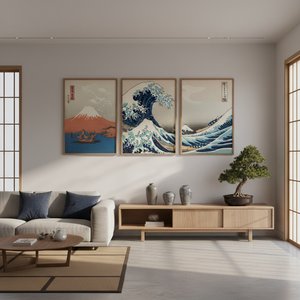
Descubre las 25 obras maestras de Katsushika Hokusai, el genio del ukiyo-e. Explora 'La Gran Ola', paisajes japoneses y su impacto en el arte moderno. Reproducciones de alta calidad para tu hogar en Most-Famous-Paintings.com.
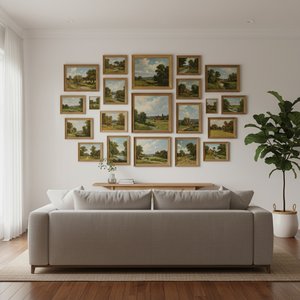
Descubre las 25 obras maestras de John Constable, el pintor romántico inglés que capturó la belleza del paisaje. Explora su técnica, historia y significado en Most-Famous-Paintings.com. Reproducciones de arte de alta calidad para tu hogar.
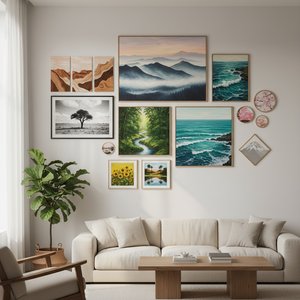
Descubre los 10 paisajes más emblemáticos de la historia del arte, desde Monet a Van Gogh. Explora su significado, técnica y belleza atemporal. Encuentra reproducciones de alta calidad e inspira tu hogar con Most-Famous-Paintings.com.

Descubre los 10 paisajes románticos más influyentes de artistas como Caspar David Friedrich y Turner. Explora la belleza, el simbolismo y las técnicas del movimiento romántico. Reproducciones de arte exclusivas en Most-Famous-Paintings.com.

Explore the rich history of rural landscape painting with Most-Famous-Paintings. Discover Impressionist masterpieces, key artists & movements. Find your perfect serene artwork and bring nature's beauty home.


Manténgase al día con las últimas noticias de arte, ofertas exclusivas e ideas de decoración.
Cuéntanos sobre tu proyecto y nuestros expertos en arte te ofrecerán 3 sugerencias de obras personalizadas.
Permítenos seleccionar 3 opciones solo para ti – ¡Gratis!


 Preview
 Enviar
 Compartir
 Detalles

 Descargar
 Similares
 Radiografía
 Presentación de diapositivas


 Ver más







 La opción de vidrio solo está disponible en tamaños inferiores a 110 cm.


