x

Óleo sobre lienzo pintado a mano en el tamaño y marco de su elección, realizado por encargo por nuestros artistas. ( Pedir impresión Comprar descarga)





























Elija entre nuestros tamaños predefinidos que respetan las proporciones originales de la obra.

Puede ingresar sus propias dimensiones para adaptarse a un marco o espacio específico. Si el tamaño seleccionado no coincide con las proporciones de la imagen original, recortaremos la obra o extenderemos la pintura con elementos adicionales pintados a mano. Se le enviará una maqueta digital para su aprobación antes de comenzar la producción.
Tenga en cuenta que la vista previa en pantalla no refleja el recorte o la extensión reales. Solo la maqueta mostrará con precisión la composición final.
Si bien existen tamaños personalizados, recomendamos seleccionar una dimensión de la lista predefinida para preservar las proporciones originales.
Envío a todo el mundo () en 3-4 semanas en lugar de las 5 semanas estándar. (19 agosto). Sin comprometer la calidad.


Fogata
Tamaño de la reproducción
Winslow Homer’s “Camp Fire,” housed prominently at The Metropolitan Museum of Art in New York City, stands as an enduring testament to the power of observation and the ability to capture the essence of everyday life within a distinctly American artistic idiom. Painted circa 1883 during Homer's prolific exploration of the Adirondack wilderness – a period marked by intense engagement with the natural world – this oil on canvas transcends mere depiction; it invites viewers into a serene tableau brimming with subtle symbolism and masterful technique.
The painting portrays a group of men gathered around a campfire, bathed in the warm glow of flickering flames. Two dogs flank the central figure, adding an element of companionship and reinforcing the scene’s connection to the pastoral landscape. Homer meticulously rendered the Adirondack trees—visible in the background—creating depth and atmosphere that speaks volumes about his artistic vision. The inclusion of backpacks and a chair subtly suggests the presence of hikers or campers, grounding the image in a tangible reality.
Homer employed a technique characterized by loose washes of watercolor overlaid with blotting and scraping—a method he perfected during his expeditions to Maine. This layering process allowed him to achieve remarkable textural effects, particularly evident in the depiction of the cedar tree roots. Crucially, Homer utilized resist – a technique involving applying a thin layer of wax or gum arabic to protect certain areas of paper from subsequent watercolor application – to delineate the contours of the tree trunks. After removing the resist with turpentine, he applied dark-blue wash across it and meticulously scrubbed away fragments that remained lodged in dense passages of watercolor.
"Camp Fire" isn’t simply a record of a campfire scene; it embodies Homer's fascination with capturing human emotion amidst the grandeur of nature. The quiet contemplation of the central figure, combined with the warmth of the firelight, evokes feelings of peace and camaraderie. Furthermore, the tree roots symbolize resilience and protection—a visual metaphor for confronting challenges while maintaining connection to one’s roots. This painting exemplifies Homer's ability to infuse his work with profound psychological depth.
To delve deeper into the artistic legacy of Winslow Homer, explore related artworks at Most-Famous-Paintings.com where high-quality reproductions of “Camp Fire” and other iconic pieces are available. You can also find inspiration in works by fellow artists like Arthur Boyd Houghton and Henry William Brewer – masters of watercolor and architectural illustration respectively – at The Metropolitan Museum of Art.
Learn more about Homer’s journey from commercial illustrator to celebrated painter on Wikipedia.

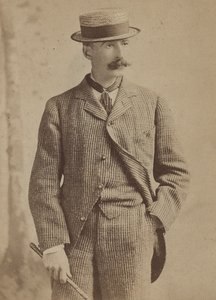
1836 - 1910 , Estados Unidos de América

Explore the profound history of American Regionalism. Discover how Grant Wood captured the heart of the Midwest through masterpieces like American Gothic. An expert guide to the movement, its cultural impact, and the enduring beauty of American Realism.


Manténgase al día con las últimas noticias de arte, ofertas exclusivas e ideas de decoración.
Cuéntanos sobre tu proyecto y nuestros expertos en arte te ofrecerán 3 sugerencias de obras personalizadas.
Dejamos que nosotros seleccionemos 3 opciones exclusivas para ti – ¡Gratis!


 Vista previa
 Compartir
 Compartir
 Ver detalles

 Descargar
 Ver similares
 Radiografía
 Presentación de diapositivas

 Leer más







 La opción de vidrio solo está disponible en tamaños inferiores a 110 cm.