x


Muuseumikvaliteediga giclée- või kangasprint kiire tootmisega ja paindlikud viimistlusvõimalused. ( Lülita käsitsi maalatud版本le Vaata pilti)





























Vali meie eelmääratud suurused, mis vastavad teose algupärastele proportsioonidele.

Saate sisestada oma mõõdud, et need sobiks konkreetse raami või ruumi sisse. Kui valitud suurus ei vasta originaalteose proportsioonidele, lõigame teose ära või laiendame pilti peegeldatud või ühtlase servaga. Enne tootmisprotsessi algust saadetakse Teie kinnitamiseks digitaalne näidis.
Palun märka, et ekraanil kuvatav eelvaade ei kajasta tegelikku lõigamist või laiendamist. Ainult näidis kujutab täpselt lõplikku kompositsiooni.
Kuigi erimõõdu on saadaval, soovitame originaaproportsioonide säilitamiseks valida mõõt ette määratud nimekirjast.
Ülemaailmne tarne () 2 nädala jooksul, tavalise 4/5 nädala asemel. (30 juuli)


Harebells
Reproduktsiooni suurus
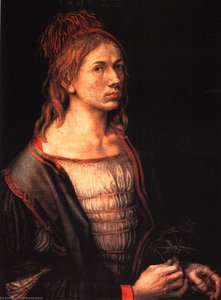
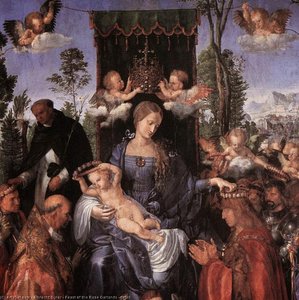
Albrecht Dürer's "Harebells," a captivating oil painting brimming with the vibrant energy of nature, stands as a testament to the artist’s unparalleled skill and his pivotal role in shaping the Northern Renaissance. Executed around 1507, this work transcends a simple depiction of flowers; it is an intensely personal exploration of beauty, proportion, and the very essence of observation – qualities that would define Dürer's legacy. The painting immediately draws the eye to the meticulously rendered bouquet, a riot of color and form that speaks volumes about the artist’s deep understanding of both botanical detail and artistic composition. It’s a piece that invites prolonged contemplation, revealing new nuances with each viewing.
Beyond its technical brilliance, “Harebells” resonates with the symbolic language of the Renaissance. Flowers held profound meaning within this era, often representing virtues, emotions, or allegorical concepts. While the precise symbolism of each bloom in Dürer’s bouquet remains open to interpretation, the overall effect evokes a sense of harmony and balance – a core tenet of Renaissance artistic philosophy. The meticulous detail with which he renders each flower suggests an appreciation for the natural world and a desire to capture its beauty with scientific precision. This reflects the humanist ideals that were gaining prominence during Dürer’s time, emphasizing human potential and the importance of observation.
Created in the early 16th century, “Harebells” reflects a period of immense artistic and intellectual ferment. Dürer was deeply influenced by Italian Renaissance masters like Leonardo da Vinci and Botticelli, yet he forged his own distinctive style—one characterized by rigorous observation, technical virtuosity, and a profound understanding of perspective and proportion. This painting exemplifies his commitment to exploring the relationship between art and science, reflecting a growing interest in natural history and anatomical accuracy that was characteristic of the era. Dürer’s work served as an important bridge between the Gothic and Renaissance artistic traditions, solidifying his place as one of the most influential artists of the Northern Renaissance.


1471 - 1528 , Saksamaa
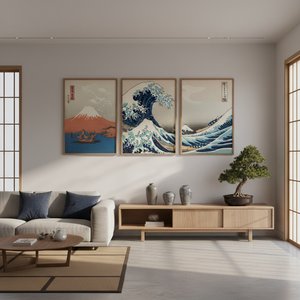
Journey through Katsushika Hokusai’s 25 most iconic artworks, including *The Great Wave*. Explore the ukiyo-e master's history, style & timeless Japanese woodblock prints. Find museum-quality reproductions for your home at Most-Famous-Paintings.com.
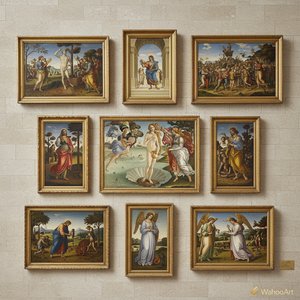
Sukeldu varase renessansi maailma! Avasta 10 meistriteost – Leonardo, Michelangelo jt – mis muutis kunsti ajatuiks. Giotti värvid ja Botticelli ilu ootavad sind. Leia inspiratsiooni interjööriks Most-Famous-Paintings.com-ist!
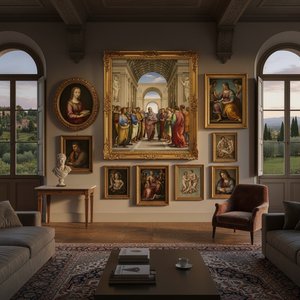
Avastage Raphaeli 25 parimat teost! Sukeldu renessanssimaali ilu, luksuslikesse portreedesse ja atmosfäärilistesse freskode. Leia inspiratsiooni kodukaunistuseks Most-Famous-Paintings.com-is – kvaliteetsed maalide reproduktsioonid ja kunstikollektsioonid.

Explore 10 famous paintings bathed in captivating dusty rose tones! From Monet to Bouguereau, discover romantic Impressionism & Renaissance masterpieces. Find museum-quality art reproductions and elevate your home decor with Most-Famous-Paintings.com. Explore the full collection online.
Avastage Francisco Goya 25 parimat teost! Sukelduge Hispaania kunsti, romantismisse ja portree maalide maailma. Leidke inspiratsiooni kodudekoriks Most-Famous-Paintings.com-is – kvaliteetsed kunstireproduktsioonid ja kollektsioonid.


Püsige kursis viimaste kunstiuudistega, eksklusiivsete pakkumistega ja sisustamisideetega.
Kirjeldage meile oma projekti ja meie kunstieksperdid pakuvad teile 3 isikupärast kunstiettepanekut.
Laske meil koostada just teile mõeldud 3 valikut – tasuta!


 Eelvaade
 Saada
Saada Jaga
Jaga
 Teave teose kohta

 Laadi alla
 Sarnased teosed
 Röntgenuuring
 Slaidietendus

 Loe lähemalt







 Klaasivalik on saadaval ainult suuruses kuni 110 cm