x

Muuseumikvaliteediga giclée- või kangasprint kiire tootmisega ja paindlikud viimistlusvõimalused. ( Osta käsitsi maalitud maal Osta pilt)





























Vali meie eelmääratud suurused, mis vastavad teose algupärastele proportsioonidele.

Saate sisestada oma mõõdud, et need sobiks konkreetse raami või ruumi sisse. Kui valitud suurus ei vasta originaalteose proportsioonidele, lõigame teose ära või laiendame pilti peegeldatud või ühtlase servaga. Enne tootmisprotsessi algust saadetakse Teie kinnitamiseks digitaalne näidis.
Palun märka, et ekraanil kuvatav eelvaade ei kajasta tegelikku lõigamist või laiendamist. Ainult näidis kujutab täpselt lõplikku kompositsiooni.
Kuigi erimõõdu on saadaval, soovitame originaaproportsioonide säilitamiseks valida mõõt ette määratud nimekirjast.
Ülemaailmne tarne () 2 nädala jooksul, tavalise 4/5 nädala asemel. (18 august)


not identified
Reproduktsiooni suurus
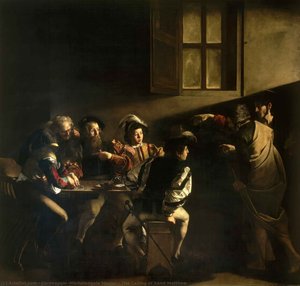
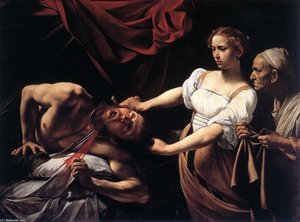
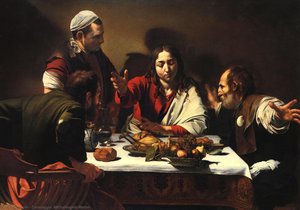
This captivating still life, attributed to the masterful hand of Michelangelo Merisi da Caravaggio, presents a scene brimming with both earthly bounty and profound emotional resonance. The composition immediately draws the eye to a monumental pumpkin – a dominant presence that speaks volumes about the harvest’s richness and the transient nature of beauty. Scattered around this central figure are a carefully arranged collection of apples, their crimson skins offering a vibrant counterpoint to the earthy tones of the vegetables and fruit. A solitary human form, subtly placed on the right side of the canvas, introduces an element of narrative, perhaps suggesting contemplation or interaction with this opulent display.
Created during the tumultuous period of the Baroque era (roughly 1600-1750), this still life reflects a shift in artistic sensibilities away from the idealized forms of the Renaissance towards a more realistic and emotionally charged approach. Caravaggio, working primarily in Rome, was a revolutionary figure who challenged the established conventions of his time. He rejected the polished surfaces and classical allegories favored by many of his contemporaries, instead choosing to depict everyday subjects – often religious scenes – with unflinching honesty and a deep understanding of human psychology. His use of ordinary people as models, rather than idealized figures, further contributed to this revolutionary spirit.
Born in Milan in 1571, Caravaggio’s early life was marked by tragedy—the deaths of his father and grandfather from the plague. This experience profoundly shaped his artistic vision, fueling a preoccupation with themes of mortality, suffering, and redemption. His time in Rome, though initially challenging, provided him with the freedom to develop his unique style, which would ultimately influence generations of artists.
Ultimately, this Caravaggio still life transcends its simple subject matter to become a powerful exploration of light, shadow, emotion, and the human condition. Its dramatic intensity and masterful technique continue to captivate viewers centuries later, making it a timeless masterpiece worthy of admiration and preservation.

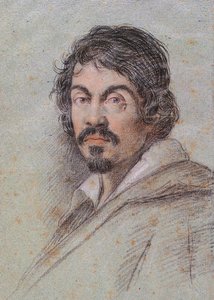
1571 - 1610 , Hispaania

Explore the dramatic world of Italian Baroque art. Discover how masters like Caravaggio used chiaroscuro and tenebrism to revolutionize painting through light, shadow, and profound realism. A definitive guide for history lovers and art collectors.

Explore the profound drama of 17th-century Baroque art. Discover how masters used chiaroscuro, movement, and emotional intensity to redefine history through the lens of the Counter-Reformation. An expert guide for art historians and collectors seeking deep cultural insight.

Explore the dramatic world of Baroque painting. Discover how masters like Caravaggio used chiaroscuro to evoke emotion, the historical impact of the Counter-Reformation, and how you can bring these museum-quality masterpieces into your home through exquisite hand-painted reproductions.

Explore the dramatic power of Baroque art. Discover how masters like Caravaggio used chiaroscuro and light to redefine emotion, history, and faith through a definitive guide for art enthusiasts and collectors.

Explore the dramatic power of Baroque art through an expert guide to light, shadow, and emotion. Discover how the Counter-Reformation shaped 17th-century masterpieces and learn about the profound techniques used by the Old Masters to inspire awe.


Püsige kursis viimaste kunstiuudistega, eksklusiivsete pakkumistega ja sisustamisideetega.
Kirjeldage meile oma projekti ja meie kunstieksperdid pakuvad teile 3 isikupärast kunstiettepanekut.
Laske meil koostada just teile mõeldud 3 valikut – tasuta!


 Eelvaade
 Saada
Saada Jaga
Jaga
 Teave teose kohta

 Laadi alla
 Sarnased teosed
 Röntgenuuring
 Slaidietendus
 Loe lähemalt







 Klaasivalik on saadaval ainult suuruses kuni 110 cm