x


 Tellimaks maali Osta digipilt
 Saada
Saada
 Teave teose kohta
 Lisa lemmikutesse
 Laadi alla
 Sarnased teosed
 Röntgenuuring
 Slaidietendus
 Tempera paneelilProto-Renaissance
 1287Hilinen keskaeg
 448.0 x 390.0 cm
 Museo dell'Opera di Santa Croce
Muuseumikvaliteediga giclée- või kangasprint kiire tootmisega ja paindlikud viimistlusvõimalused.





























Vali meie eelmääratud suurused, mis vastavad teose algupärastele proportsioonidele.

Saate sisestada oma mõõdud, et need sobiks konkreetse raami või ruumi sisse. Kui valitud suurus ei vasta originaalteose proportsioonidele, lõigame teose ära või laiendame pilti peegeldatud või ühtlase servaga. Enne tootmisprotsessi algust saadetakse Teie kinnitamiseks digitaalne näidis.
Palun märka, et ekraanil kuvatav eelvaade ei kajasta tegelikku lõigamist või laiendamist. Ainult näidis kujutab täpselt lõplikku kompositsiooni.
Kuigi erimõõdu on saadaval, soovitame originaaproportsioonide säilitamiseks valida mõõt ette määratud nimekirjast.
Ülemaailmne tarne () 2 nädala jooksul, tavalise 4/5 nädala asemel. (22 juuli)


Kristus
Reproduktsiooni suurus
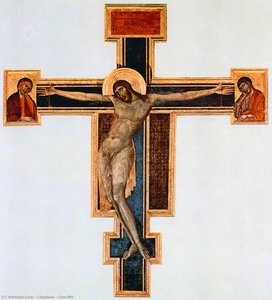
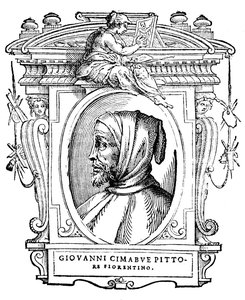
Giovanni Cimabue stands as an undeniable cornerstone of Italian art history—a pivotal figure who bravely challenged artistic conventions, laying the groundwork for the revolutionary transformations that would soon reshape Western painting. Born around 1240 in Florence, Cimabue wasn’t merely a painter; he was a visionary innovator who dared to subtly disrupt established norms, demonstrating an unwavering conviction that propelled him toward experimentation with form and expression.
His legacy resides primarily in his groundbreaking “Crucifix,” housed within the Basilica di Santa Croce in Florence. Completed around 1287-88, this monumental panel painting represents a decisive break from Byzantine iconography—a movement towards greater realism and emotional depth that would profoundly influence subsequent masters like Giotto. It’s more than just an image of Christ; it's a testament to Cimabue’s artistic genius and his profound understanding of the spiritual significance of his subject.
The Crucifix’s enduring impact stems from its masterful execution—a fusion of Byzantine symbolism with nascent Renaissance realism. Cimabue's bold use of color, combined with his innovative approach to anatomical representation and shading, cemented his position as a pioneer of Italian art.
Beyond its artistic merits, the Crucifix embodies profound spiritual themes: sacrifice, redemption, and unwavering faith—concepts that continue to resonate powerfully with viewers today. Cimabue’s masterpiece serves as an inspiration for artists and collectors alike, prompting contemplation on the enduring beauty and significance of religious art.
The painting's prominent location within Santa Croce underscores its importance as a cultural landmark—a tangible connection to Florence’s artistic heritage and a testament to Cimabue’s transformative contribution to Western art history. Its meticulous detail and emotive portrayal continue to captivate audiences centuries later, securing its place among the most celebrated artworks of the medieval period.

1240 - 1302 , Itaalia

Avastage Metropolitani muuseumi 25 kõige ikoonilisemat kunstiteost! Sukeldume maalikunstnike maailma, impressionismi võlu ja ajalooliste värvikombinatsioonide sisse. Leidke täiuslik seina kaunistus Most-Famous-Paintings'is – kvaliteetsed reproduktsioonid ja sisustus ideed. Avastage kogu kollektsioon online!
Avastage Rahvusgalerii Washingtoni 25 parimat teost! Sukeldu Cézanne'i, Matisse'i ja Picasso maalidest inspireeritud kunstiajalukku. Leidke täiuslik seinakaunistus või luksuslik reproduktsioon kodusse Most-Famous-Paintings.com-is. Vaadake kogu kollektsiooni online!
Avastage James Abbott McNeill Whistler'i 25 võrratut meistriteost! Sukelduge esteetilisse kunstimaailma, õppige tema maalitehnikatest ja leidke täiuslik seina kaunistus Most-Famous-Paintings.com-ist. Kunstikollektsioonid & reprodutsioonid.
Avastage Henri Matisse 25 ikoonilist teost! Sukelduge värviküllase Fauvismi maailma, modernse kunsti ajaloosse ja inspireerige oma interjööri. Kvaliteetsed kunstireprodutsioonid Most-Famous-Paintings.com-is. Avasta kogu kollektsioon online!

Avastage Dante Gabriel Rossetti 25 parimat teost! Sukeldume viktoriaanliku romantika ja Pre-Raphaelite kunstiliikumise maailma. Leidke inspiratsiooni kodukaunistuseks ning ostke kvaliteetseid Rossetti reproduktsioone Most-Famous-Paintings.com-is. Avastage kogu kollektsioon online!


Püsige kursis viimaste kunstiuudistega, eksklusiivsete pakkumistega ja sisustamisideetega.
Kirjeldage meile oma projekti ja meie kunstieksperdid pakuvad teile 3 isikupärast kunstiettepanekut.
Laske meil koostada just teile mõeldud 3 valikut – tasuta!


 Jaga
Jaga

 Loe lähemalt







 Klaasivalik on saadaval ainult suuruses kuni 110 cm