x

 Acrylic On CanvasWallArtSurrealist Homage
 1962
1962 267.0 x 302.0 cm
 Metropolitani Kunstimuuseum
Ostke kõrglahutusel ja täiustatud digitaalne pilt, mis on oluliselt parem kui veebilehel näidatud eelvaade.
Iga fail on meie spetsialistide poolt hoolikalt ette valmistatud, kasutades kaasaegseid tööriistu ja professionaalset käsitsi retušeerimist. Tagame, et igal pildil on erakordne selgus, täpne värvitäpsus ja peen detail.
Lõplik fail saadetakse e-posti teel 72 tunni jooksul, olles optimeeritud koheseks kasutamiseks professionaalsetes, toimetuslikes ja trüki keskkondades. See on sama kvaliteet, mida usaldavad tipptasemel disainistuudiod, kirjastused ja galeriid.
Laadi alla kõrge resolutsiooniga fail isiklikuks vaatamiseks, trükkimiseks ja loomingulisteks projektideks. ( Osta print Osta käsitsi maalitud maal)
Valides Most-Famous-Paintings.com, ei saa sa lihtsalt pilti – saad professionaalselt parandatud digitaalse teose, mida on valmistatud täpsusega ja mis on toetatud rahuldamatusgarantiiga. Siin on kõik, mis sinu tellimusega automaatselt kaasneb:

Teie kõrge resolutsiooniga digitaalne pildifail saadetakse teile e-posti 72 tunni jooksul pärast tellimist – kohe kasutamiseks valmis.

Teie teos on professionaalselt optimeeritud arenenud tehisintellekti tööriistade ja käsitsi redigeerimise abil, tagades maksimaalse detailitaseme, selguse ja värvitäpsuse.

Kas kustutasid faili kogukalu unustamisel või kustutamisel? Puudub mure – saad selle uuesti igal ajal ilma lisatasuta.

Nautige oma teoseid koheselt ilma tolli-, maksude või tarnimaskuludeta – digiletchargused on alati maksuvabadud.

Me tagame, et teie digitaalne pilt kajastaks originaali värve professionaalsete tööriistade ja värvihalduse abil võimalikult täpselt.

Kui te ei ole oma digipildiga rahul, parandame seda või tagastame 100% summast 60 päeva jooksul – küsimusi ei esita.

Ei ole rahul? Saate täielise tagastaja 60 päeva jooksul pärast digitaalse faili kättesaamist – küsimata.

Osta 3 pilti, säästa 10% - Osta 5, säästa 15% - Osta 10+, säästa 20%. Sobib suurepäraselt loomingulisteks projektideks, galeriideks ja agentuurideks.
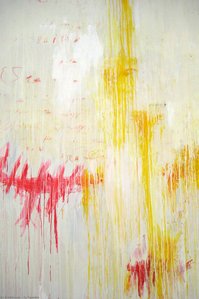
Cy Twombly's 1962 painting, *Dutch Interior*, isn’t merely a depiction of a room; it’s an immersive experience, a layered meditation on the act of creation itself. Emerging from a spacious studio in central Rome—a space that liberated him from the constraints of smaller formats—Twombly embarked on a work that immediately challenged conventional notions of representation. The painting’s genesis is inextricably linked to this new environment; it feels less like a finished product and more like an ongoing, almost frantic, dialogue with the ancient walls of the Eternal City – a conversation etched in layers of graphite, wax crayon, and oil paint.
The title itself—a deliberate homage to the Dutch Golden Age—immediately establishes a historical framework. Twombly wasn’t simply replicating a scene; he was engaging with the spirit of seventeenth-century Dutch interior paintings, those meticulously rendered depictions of domestic life that captured a specific cultural sensibility. However, this engagement is far from straightforward imitation. Instead, it's a complex negotiation, a playful subversion of established conventions. The painting becomes a palimpsest—a layered text where the echoes of Vermeer and Rembrandt mingle with Twombly’s own unique visual language.
What immediately strikes the viewer is the apparent chaos – the accumulation of seemingly disparate marks. Scribbles, smears, hastily scrawled numbers, and biomorphic forms coalesce on the canvas, creating a surface that resists easy interpretation. This isn’t the product of a single, deliberate act; rather, it suggests multiple hands at work, a collective energy channeled through Twombly's brush. The technique is deliberately raw and unrefined – a rejection of polished surfaces in favor of an immediate, visceral impact.
Twombly’s masterful use of media further complicates the narrative. Pencil provides a skeletal framework, wax crayon introduces a tactile warmth, and oil paint adds depth and luminosity. The layering is crucial; each medium interacts with the others, creating subtle shifts in texture and tone. The artist frequently incorporated his own physical presence into the work – fingerprints, smudges, even what appear to be handprints—transforming the canvas into a record of his creative process, a tangible manifestation of his engagement with the artwork.
Beyond the purely visual, *Dutch Interior* is rich in symbolic resonance. The inclusion of clocks, chairs, and vases—familiar objects from a domestic setting—only serves to heighten the sense of unease and disorientation. These elements are not rendered with precision or detail; instead, they’re fragmented, distorted, and imbued with an unsettling ambiguity. The numbers scrawled across the canvas – often in a vertical arrangement – add another layer of complexity, hinting at both order and chaos.
Furthermore, Twombly's frequent references to his own body—the fingerprints, handprints—suggest a profound sense of self-awareness. The painting becomes a meditation on identity, on the act of representation, and on the elusive nature of the creative process. It’s as if Twombly is grappling with his own presence within the artwork, attempting to capture not just an image but also the very essence of his being.
Ultimately, *Dutch Interior* resists easy categorization or definitive interpretation. It’s a painting that demands engagement, inviting viewers to lose themselves in its layers of complexity and ambiguity. The work possesses a haunting beauty—a sense of melancholy and introspection—that lingers long after the initial viewing. It's a testament to Twombly's ability to create art that is both deeply personal and universally resonant, a powerful reminder of the enduring mysteries of human experience.


1928 - 2011 , Ameerika Ühendriigid


Püsige kursis viimaste kunstiuudistega, eksklusiivsete pakkumistega ja sisustamisideetega.
Kirjeldage meile oma projekti ja meie kunstieksperdid pakuvad teile 3 isikupärast kunstiettepanekut.
Laske meil koostada just teile mõeldud 3 valikut – tasuta!


 Eelvaade
 Saada
Saada Jaga
Jaga
 Teave teose kohta

 Laadi alla
 Sarnased teosed
 Röntgenuuring
 Slaidietendus
 Loe lähemalt