x

Muuseumikvaliteediga giclée- või kangasprint kiire tootmisega ja paindlikud viimistlusvõimalused. ( Osta käsitsi maalitud maal Osta pilt)





























Vali meie eelmääratud suurused, mis vastavad teose algupärastele proportsioonidele.

Saate sisestada oma mõõdud, et need sobiks konkreetse raami või ruumi sisse. Kui valitud suurus ei vasta originaalteose proportsioonidele, lõigame teose ära või laiendame pilti peegeldatud või ühtlase servaga. Enne tootmisprotsessi algust saadetakse Teie kinnitamiseks digitaalne näidis.
Palun märka, et ekraanil kuvatav eelvaade ei kajasta tegelikku lõigamist või laiendamist. Ainult näidis kujutab täpselt lõplikku kompositsiooni.
Kuigi erimõõdu on saadaval, soovitame originaaproportsioonide säilitamiseks valida mõõt ette määratud nimekirjast.
Ülemaailmne tarne () 2 nädala jooksul, tavalise 4/5 nädala asemel. (16 august)


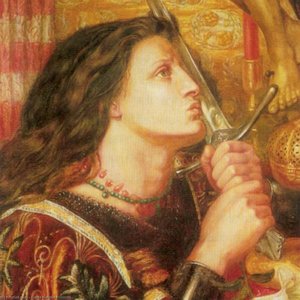
Proserpine
Reproduktsiooni suurus
Dante Gabriel Rossetti's Proserpine, painted in 1874 and now residing within the hallowed halls of Tate Britain, is more than just a portrait; it’s a poignant meditation on loss, longing, and the bittersweet beauty of eternal captivity. The painting depicts Proserpina, Roman goddess of springtime and queen of the underworld, rendered with an exquisite Pre-Raphaelite sensibility that marries meticulous realism with profound emotional depth. Rossetti, deeply influenced by his own passionate relationship with Jane Morris – who served as both model and muse for this iconic work – masterfully captures a sense of melancholy and yearning within the figure’s gaze, inviting viewers to contemplate her tragic fate.
The genesis of Proserpine lies in the rich mythology surrounding the goddess. Proserpina's abduction by Pluto, god of the underworld, is a tale of sorrowful beauty: a daughter torn from her mother’s embrace and condemned to rule alongside her husband in the shadowy realm beneath the earth. Rossetti doesn’t simply depict this narrative; he imbues it with his own intensely personal feelings, reflecting the complexities of his relationship with Jane Morris – a woman also bound by circumstance and longing. The painting is not merely an illustration of myth but a visual embodiment of shared experience and unspoken desires.
Rossetti’s technique is characterized by its remarkable attention to detail and a masterful manipulation of color and texture. He employs a predominantly dark palette, dominated by deep blues and greens that evoke the oppressive atmosphere of the underworld. These cool tones are dramatically contrasted by the vibrant red of the pomegranate – a fruit inextricably linked to Proserpina’s fate, symbolizing both temptation and eternal imprisonment. The figure herself is rendered in pale, luminous skin tones, almost ethereal in their delicacy, further emphasizing her otherworldly beauty.
The artist's use of oil paints allows for an incredible level of richness and depth. Rossetti skillfully builds up layers of glaze to create a sense of tactile quality – the velvet-like texture of Proserpina’s dress, the glossy sheen of the pomegranate, and the delicate foliage of the ivy that drapes across the background. The meticulous detail extends to every fold of fabric and strand of hair, reflecting Rossetti's commitment to capturing not just a likeness but also an emotional state.
Proserpine is replete with symbolic elements that enrich its layered meaning. The ivy, a recurring motif in Rossetti’s work, represents memory and the passage of time – a constant reminder of Proserpina's lost connection to the world above. The incense burner, an attribute of goddesses, signifies her divine status within the underworld. Most powerfully, however, is the pomegranate itself: its inclusion underscores the pivotal moment in Proserpina’s story—the six seeds she consumed while with Pluto, sealing her fate and establishing the seasonal cycle of life and death.
The composition further reinforces these symbolic readings. The figure's direct gaze engages the viewer intimately, drawing us into her sorrowful contemplation. The slight off-center placement creates a sense of unease and vulnerability, mirroring Proserpina’s precarious position between two worlds. A subtle light source, originating from an unseen point above and to the left, illuminates her face and hands, highlighting her beauty while simultaneously casting much of the background into shadow – a visual metaphor for the darkness she inhabits.
Proserpine is not simply a beautiful painting; it’s a profound expression of Victorian sensibilities—a period marked by intense emotionality, romantic ideals, and a fascination with mythology and symbolism. Rossetti's work reflects the era's preoccupation with themes of loss, beauty, and the unattainable, mirroring his own personal struggles and the complex dynamics within his relationships. The painting’s enduring appeal lies in its ability to evoke a sense of melancholy and longing—a timeless reminder of the bittersweet nature of love and the inevitability of fate. It remains a powerful testament to Rossetti's artistic genius and his profound understanding of the human heart.


1828 - 1882 , Ühenduvaimiriik

Explore the profound beauty of Pre-Raphaelite Romanticism. Discover how visionaries like Rossetti and Millais revived medievalism and nature through meticulous detail and vibrant color in Victorian art history.

Explore the revolutionary Pre-Raphaelite Brotherhood. Discover how these visionary artists rejected academic tradition to reclaim beauty, nature, and truth through luminous detail and literary depth in Victorian art history.

Explore the profound beauty of Greek mythology through art history. From Baroque masterpieces to Renaissance classics, discover how gods and heroes have inspired the world's greatest painters in this expert guide for collectors and history lovers.


Püsige kursis viimaste kunstiuudistega, eksklusiivsete pakkumistega ja sisustamisideetega.
Kirjeldage meile oma projekti ja meie kunstieksperdid pakuvad teile 3 isikupärast kunstiettepanekut.
Laske meil koostada just teile mõeldud 3 valikut – tasuta!


 Eelvaade
 Saada
Saada Jaga
Jaga
 Teave teose kohta

 Laadi alla
 Sarnased teosed
 Röntgenuuring
 Slaidietendus

 Loe lähemalt







 Klaasivalik on saadaval ainult suuruses kuni 110 cm