x

Muuseumikvaliteediga giclée- või kangasprint kiire tootmisega ja paindlikud viimistlusvõimalused. ( Osta käsitsi maalitud maal Osta pilt)





























Vali meie eelmääratud suurused, mis vastavad teose algupärastele proportsioonidele.

Saate sisestada oma mõõdud, et need sobiks konkreetse raami või ruumi sisse. Kui valitud suurus ei vasta originaalteose proportsioonidele, lõigame teose ära või laiendame pilti peegeldatud või ühtlase servaga. Enne tootmisprotsessi algust saadetakse Teie kinnitamiseks digitaalne näidis.
Palun märka, et ekraanil kuvatav eelvaade ei kajasta tegelikku lõigamist või laiendamist. Ainult näidis kujutab täpselt lõplikku kompositsiooni.
Kuigi erimõõdu on saadaval, soovitame originaaproportsioonide säilitamiseks valida mõõt ette määratud nimekirjast.
Ülemaailmne tarne () 2 nädala jooksul, tavalise 4/5 nädala asemel. (20 august)


Le gamin
Reproduktsiooni suurus
Édouard Manet’s “Le Gamin au Chien” (1862) isn't merely a charming depiction of a boy and his dog; it represents a crucial moment in the burgeoning Impressionist movement, capturing a fleeting glimpse into the everyday life of Paris during its transformative era. Painted against a muted palette dominated by earthy browns and greys—a deliberate departure from academic conventions—the artwork speaks volumes about Manet’s artistic ambition to portray reality as he perceived it, prioritizing atmosphere and light over meticulous detail.
Manet's approach aligns perfectly with the tenets of Impressionism championed by artists like Claude Monet and Pierre-Auguste Renoir. Unlike traditional painters who painstakingly blended colors on canvas to achieve idealized representations, Manet employed loose brushstrokes—almost visible as individual marks—to convey the immediacy of a scene. The artist skillfully utilized broken color, layering shades of ochre and umber to create depth and luminosity, mirroring how sunlight filters through the Parisian air. This technique wasn’t simply about accuracy; it was about capturing the *feeling* of the moment – the warmth of the sun, the stillness of the street.
“Le Gamin au Chien” emerged during a period of rapid urbanization in Paris. The city was experiencing unprecedented growth fueled by industrialization and immigration, fundamentally altering social dynamics and daily routines. Manet’s subject matter—a young boy playing with his dog in a nondescript Parisian courtyard—reflects this shift towards realism. It's a scene devoid of grand narratives or heroic figures; instead, it focuses on the quiet dignity of ordinary life – a deliberate challenge to the romanticized depictions favored by earlier generations.
Beyond its stylistic innovations, “Le Gamin au Chien” possesses subtle symbolic resonance. The boy’s gaze directly confronts the viewer, establishing an unsettling intimacy that disrupts the conventional hierarchy of subject matter within painting. He embodies a youthful innocence juxtaposed against the backdrop of urban decay—a poignant commentary on the anxieties and uncertainties of modernity. Furthermore, the dog serves as a grounding element, anchoring the composition while simultaneously symbolizing companionship and vulnerability.
"Le Gamin au Chien" transcends mere visual representation; it evokes a profound emotional response. The muted colors and loose brushstrokes convey a sense of melancholy and contemplation—a feeling that lingers long after viewing the artwork. Manet’s masterful manipulation of light and shadow captures the ephemeral beauty of everyday life, reminding us to appreciate the simple pleasures and fleeting moments that constitute our experience. It's a testament to Manet’s ability to transform ordinary subjects into enduring symbols of artistic innovation and human emotion.


1832 - 1883 , Prantsusmaa
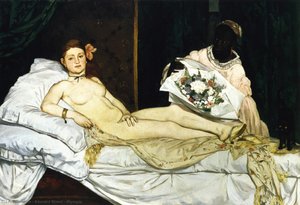
Avastage Édouard Maneti 25 ikoonilist maali! Impressionismi ja modernse kunsti meistriteosed – Le Déjeuner sur l'herbe, Olympia ja palju muud. Kvaliteetsed reproduktsioonid kodukaunistuseks Most-Famous-Paintings.com-is. Vaadake kollektsiooni!

Explore the life & art of Édouard Manet, a pivotal figure bridging Realism and Impressionism. Discover his revolutionary techniques, controversial masterpieces like 'Olympia,' and lasting impact on modern art history.
Avasta impressionismi sajandid! 10 kuulsat meistriteost Monet'st Renoirini, mis muutis kunstit. Tutvu kunstnike lugudega ja kaunista kodu Most-Famous-Paintings.comi kvaliteetsete reproduktsioonidega. Uuri kollektsiooni online!

Journey through Impressionism's heart with 10 iconic paintings by Monet, Renoir & Degas. Explore light, color & the stories behind these masterpieces. Find museum-quality art reproductions and elevate your home decor on Most-Famous-Paintings.com.

Explore the captivating world of Édouard Cortès, 'The Painter of Paris'. Discover his iconic street scenes, unique style & lasting legacy. Expert insights for collectors and art enthusiasts.


Püsige kursis viimaste kunstiuudistega, eksklusiivsete pakkumistega ja sisustamisideetega.
Kirjeldage meile oma projekti ja meie kunstieksperdid pakuvad teile 3 isikupärast kunstiettepanekut.
Laske meil koostada just teile mõeldud 3 valikut – tasuta!


 Eelvaade
 Saada
Saada Jaga
Jaga
 Teave teose kohta

 Laadi alla
 Sarnased teosed
 Röntgenuuring
 Slaidietendus
 Loe lähemalt







 Klaasivalik on saadaval ainult suuruses kuni 110 cm