


x

Ostke kõrglahutusel ja täiustatud digitaalne pilt, mis on oluliselt parem kui veebilehel näidatud eelvaade.
Iga fail on meie spetsialistide poolt hoolikalt ette valmistatud, kasutades kaasaegseid tööriistu ja professionaalset käsitsi retušeerimist. Tagame, et igal pildil on erakordne selgus, täpne värvitäpsus ja peen detail.
Lõplik fail saadetakse e-posti teel 72 tunni jooksul, olles optimeeritud koheseks kasutamiseks professionaalsetes, toimetuslikes ja trüki keskkondades. See on sama kvaliteet, mida usaldavad tipptasemel disainistuudiod, kirjastused ja galeriid.
Laadi alla kõrge resolutsiooniga fail isiklikuks vaatamiseks, trükkimiseks ja loomingulisteks projektideks. ( Osta print Osta käsitsi maalitud maal)
Valides Most-Famous-Paintings.com, ei saa sa lihtsalt pilti – saad professionaalselt parandatud digitaalse teose, mida on valmistatud täpsusega ja mis on toetatud rahuldamatusgarantiiga. Siin on kõik, mis sinu tellimusega automaatselt kaasneb:

Teie kõrge resolutsiooniga digitaalne pildifail saadetakse teile e-posti 72 tunni jooksul pärast tellimist – kohe kasutamiseks valmis.

Teie teos on professionaalselt optimeeritud arenenud tehisintellekti tööriistade ja käsitsi redigeerimise abil, tagades maksimaalse detailitaseme, selguse ja värvitäpsuse.

Kas kustutasid faili kogukalu unustamisel või kustutamisel? Puudub mure – saad selle uuesti igal ajal ilma lisatasuta.

Nautige oma teoseid koheselt ilma tolli-, maksude või tarnimaskuludeta – digiletchargused on alati maksuvabadud.

Me tagame, et teie digitaalne pilt kajastaks originaali värve professionaalsete tööriistade ja värvihalduse abil võimalikult täpselt.

Kui te ei ole oma digipildiga rahul, parandame seda või tagastame 100% summast 60 päeva jooksul – küsimusi ei esita.

Ei ole rahul? Saate täielise tagastaja 60 päeva jooksul pärast digitaalse faili kättesaamist – küsimata.

Osta 3 pilti, säästa 10% - Osta 5, säästa 15% - Osta 10+, säästa 20%. Sobib suurepäraselt loomingulisteks projektideks, galeriideks ja agentuurideks.
Doménikos Theotokópoulos, universally known as El Greco—“the Greek”—was an artist whose life and work defied easy categorization. Born in 1541 on the island of Crete, then under Venetian rule, his artistic journey led him through Venice and Rome before finding its ultimate expression in the spiritual heartland of Spain: Toledo. El Greco wasn’t merely a product of these places; he synthesized their influences into something wholly unique, a style that anticipated the emotional intensity of Expressionism and the fragmented forms of Cubism centuries later. His early training within the Byzantine tradition instilled in him a meticulous attention to detail and a profound understanding of religious iconography. This foundation, however, wouldn’t confine him.
“The Nativity,” painted between 1603 and 1605, stands as a cornerstone of El Greco's oeuvre and exemplifies his masterful manipulation of Mannerism—a stylistic movement that prioritized expressive distortion over realistic representation. Commissioned for the Santuario de Nuestra Señora de la Caridad in Illescas, Toledo, this monumental altarpiece represents a pivotal moment in El Greco’s artistic evolution, marking a decisive shift away from Venetian influences towards a more intensely personal and spiritually driven aesthetic.
El Greco's artistic vision was profoundly shaped by the Venetian Renaissance, particularly Tintoretto and Titian. However, he transcended mere imitation, forging his own distinctive visual language that blended Byzantine traditions with Western techniques. This fusion is palpable in “The Nativity,” where elongated figures dominate the composition—a hallmark of Mannerism—creating a dramatic tension between idealized beauty and visceral emotion. The painting’s stylistic choices deliberately challenged Renaissance conventions, prioritizing psychological depth over anatomical accuracy.
The circular format of “The Nativity” immediately establishes an intimate atmosphere, drawing the viewer into the sacred narrative. El Greco skillfully employs a triangular arrangement to guide the eye towards the central figures—Mary cradling Jesus—while simultaneously conveying a sense of dynamism through flowing drapery and subtly undulating lines. The artist’s meticulous brushwork contributes to the painting's textural richness, layering pigments with remarkable precision to capture both luminous highlights and deep shadows. This technique underscores the emotional intensity of the scene, mirroring the spiritual fervor characteristic of El Greco’s artistic output.
Beyond its formal brilliance, “The Nativity” resonates deeply with Christian symbolism—the Virgin Mary embodies compassion and humility, while Jesus represents divine grace. The subdued lighting casts a golden glow upon the figures, enhancing their ethereal beauty and conveying a sense of serenity amidst profound sorrow. El Greco’s deliberate distortion of proportions serves not merely as stylistic flourish but as a conduit for expressing spiritual contemplation. Viewing “The Nativity” evokes feelings of reverence and wonder—a testament to El Greco's ability to transform religious iconography into emotionally resonant art.
To delve deeper into El Greco’s artistic legacy, explore his other masterpieces at Most-Famous-Paintings.com Most-Famous-Paintings and discover the Museo del Prado's impressive collection of Spanish art at Most-Famous-Paintings. Learn more about El Greco’s life and work on Wikipedia: Wikipedia

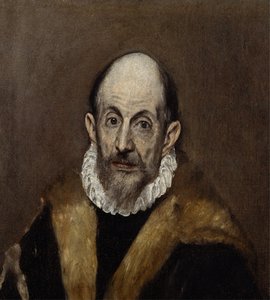
1541 - 1614 , Kreeka


Püsige kursis viimaste kunstiuudistega, eksklusiivsete pakkumistega ja sisustamisideetega.
Kirjeldage meile oma projekti ja meie kunstieksperdid pakuvad teile 3 isikupärast kunstiettepanekut.
Laske meil koostada just teile mõeldud 3 valikut – tasuta!


 Eelvaade
 Saada
Saada Jaga
Jaga
 Teave teose kohta

 Laadi alla
 Sarnased teosed
 Röntgenuuring
 Slaidietendus

 Loe lähemalt


