


x


Meie kunstnike poolt tellimusel valmistatud käsitsi maalitud õli-kainaste teos teie soovitud suuruses ja raamis. ( Switch to Print Switch to Image)
Vali meie eelmääratud suurused, mis vastavad teose algupärastele proportsioonidele.

Sa võite sisestada oma mõõtmed konkreetse raami või ruumi sobivuse tagamiseks. Kui teie valitud suurus ei vasta originaalpildi proportsioonidele, siis kärvime kunstiteost või laiendame maali täiendavate käsitsi maalitud elementidega. Enne tootmise algust saadetakse teile heakskiitmiseks digitaalne eelvaade.
Palun pidage meeles, et ekraanil kuvatav eelvaade ei kajasta tegelikku kärpimist või laiendamist. Ainult eelvaade näitab täpselt lõplikku kompositsiooni.
Kuigi on saadaval kohandatud suurused, soovitame originaalproportsioonide säilimiseks valida mõõdud eelmääratletud nimekirjast.
Maailmline tarne 3–4 nädala jooksul tavalise 5 nädala asemel. (30 juuli). Kvaliteedis kompromisse ei tehta.


The flower polychrome
Reproduktsiooni suurus
Fernand Léger's "The Flower Polychrome," created in 1952, is more than just a sculpture; it’s a crystallized moment of artistic revolution. This captivating piece, rendered in a striking black and gold palette with subtle silver accents, embodies the core tenets of Léger’s groundbreaking approach to modern art – a fearless embrace of industrial forms and their inherent beauty. Born in Argentan, Normandy, in 1881, Léger's formative years spent observing the rhythms of rural life profoundly shaped his artistic sensibility. He rejected the prevailing trend toward pure abstraction, instead seeking to translate the dynamism of the machine age – the factories, the trains, the burgeoning urban landscape – into a visual language that was both powerfully abstract and deeply connected to the tangible world around him. This sculpture represents a culmination of this lifelong exploration, a testament to his ability to find harmony between the organic and the mechanical.
“The Flower Polychrome” is firmly rooted in the principles of Cubism, particularly its emphasis on geometric forms and multiple perspectives. However, unlike Picasso or Braque, Léger didn't simply dissect objects; he actively sought to *reconstruct* them, presenting fragmented elements arranged in a dynamic, almost chaotic composition. The central star-like structure, radiating outwards with smaller, repeating shapes, mimics the visual impact of a complex gear mechanism – a deliberate homage to the industrial world that captivated Léger. The use of bold, contrasting colors further amplifies this effect, creating a sense of movement and energy. Notice how the gold tones shimmer and reflect light, mimicking the polished surfaces of machinery, while the black provides a grounding counterpoint, emphasizing the geometric precision.
Beyond its purely formal qualities, “The Flower Polychrome” carries significant symbolic weight. Léger’s work frequently explored themes of industrial progress and renewal – ideas deeply relevant to post-World War II France. The flower motif, despite the sculpture's metallic construction, subtly references nature, suggesting a harmonious integration between humanity and technology. The repetition of forms can be interpreted as representing the mass production inherent in modern industry, yet the overall composition retains an element of elegance and beauty, hinting at the potential for progress to be both efficient and aesthetically pleasing. The piece speaks to a desire to rebuild and reimagine society after the devastation of war, embracing innovation while retaining a connection to fundamental values.
The sculpture’s creation involved meticulous craftsmanship, likely utilizing techniques associated with metalworking. Léger's preference for polished surfaces – evident in “The Flower Polychrome” – was crucial to his aesthetic vision. The reflective qualities of the metal not only enhanced the visual impact but also contributed to the sense of dynamism and movement within the piece. The careful arrangement of the smaller stars and shapes demonstrates a sophisticated understanding of spatial relationships, creating a complex and visually engaging composition. This level of detail speaks to Léger’s commitment to translating his artistic ideas into tangible form with precision and skill.
A hand-painted reproduction of “The Flower Polychrome” offers a remarkable opportunity to bring this iconic work into your home or office. Its bold colors and dynamic composition will undoubtedly serve as a focal point, sparking conversation and reflecting the enduring power of Léger’s artistic vision.

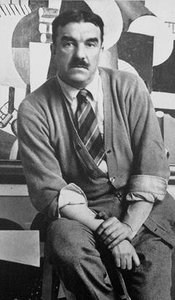
1881 - 1955 , Prantsusmaa

Avastage Hermitage'i muuseumi 25 suurimat meistriteost! Sukeldume Rembrandti, Leonardo da Vinci ja teiste legendide maailma. Vene ja lääne euroopa kunstiklassika – leidke täiuslik maalikunst teie interjööri jaoks Most-Famous-Paintings.com-is.

Discover how curated art collections elevate Michelin-starred dining experiences. Expert insights on sensory branding, emotional intelligence & ROI for luxury restaurants and hotels. Transform your space with Most-Famous-Paintings.

Find serenity with 10 minimalist masterpieces! Explore Agnes Martin, Rothko & more. Discover the stories behind iconic abstract art, neutral palettes & calming designs. Museum-quality reproductions at Most-Famous-Paintings.com – elevate your home decor today!

Avastage Metropolitani muuseumi 25 kõige ikoonilisemat kunstiteost! Sukeldume maalikunstnike maailma, impressionismi võlu ja ajalooliste värvikombinatsioonide sisse. Leidke täiuslik seina kaunistus Most-Famous-Paintings'is – kvaliteetsed reproduktsioonid ja sisustus ideed. Avastage kogu kollektsioon online!
Sukeldu kubismi maailma! Avasta 10 legendaarset meistriteost – Picasso, Braque jt. – mis muutis kunsti ajaloja. Tutvu kunstnike lugudega ja leid inspiratsiooni oma sisustuseks Most-Famous-Paintings.com-ist!


Püsige kursis viimaste kunstiuudistega, eksklusiivsete pakkumistega ja sisustamisideetega.
Kirjeldage meile oma projekti ja meie kunstieksperdid pakuvad teile 3 isikupärast kunstiettepanekut.
Laske meil koostada just teile mõeldud 3 valikut – tasuta!


 Saada
Saada Jaga
Jaga
 Teave teose kohta

 Laadi alla
 Sarnased teosed
 Slaidietendus

 Loe lähemalt




































 Klaasivalik on saadaval ainult suuruses kuni 110 cm


