


x


 Preview
 Telli trükis Osta digipilt
 Saada
Saada
 Teave teose kohta
 Lisa lemmikutesse
 Laadi alla
 Sarnased teosed
 Röntgenuuring
 Slaidietendus
 Acrylic On CanvasWallArtCubist Style
 78.0 x 58.0 cm
Meie kunstnike poolt tellimusel valmistatud käsitsi maalitud õli-kainaste teos teie soovitud suuruses ja raamis.
Vali meie eelmääratud suurused, mis vastavad teose algupärastele proportsioonidele.

Sa võite sisestada oma mõõtmed konkreetse raami või ruumi sobivuse tagamiseks. Kui teie valitud suurus ei vasta originaalpildi proportsioonidele, siis kärvime kunstiteost või laiendame maali täiendavate käsitsi maalitud elementidega. Enne tootmise algust saadetakse teile heakskiitmiseks digitaalne eelvaade.
Palun pidage meeles, et ekraanil kuvatav eelvaade ei kajasta tegelikku kärpimist või laiendamist. Ainult eelvaade näitab täpselt lõplikku kompositsiooni.
Kuigi on saadaval kohandatud suurused, soovitame originaalproportsioonide säilimiseks valida mõõdud eelmääratletud nimekirjast.
Maailmline tarne 3–4 nädala jooksul tavalise 5 nädala asemel. (26 juuli). Kvaliteedis kompromisse ei tehta.


The workman sitting
Reproduktsiooni suurus
Fernand Léger’s “The Worker Sitting,” executed in 1926, stands as a cornerstone of Primitivism—a movement that sought to recapture the essence of raw emotion and instinct through simplified forms and bold colors. More than just a portrait, it's an emblem of Léger’s profound engagement with the burgeoning industrial landscape of his time, filtered through the lens of Cubist principles.
The artwork depicts a solitary workman seated on a chair, bathed in diffused light that emphasizes the flatness of the composition. Léger eschews traditional perspective, opting instead for overlapping geometric shapes—primarily squares and rectangles—to convey spatial relationships. These forms dominate both the chair itself and the backdrop, which features a prominent window framing an expanse of greenery. The deliberate asymmetry contributes to a dynamic visual rhythm, inviting contemplation rather than passive viewing.
Executed in ink on paper, Léger’s technique is characterized by thick, assertive outlines—the defining feature of Primitivism—that sculpt the figure and background with uncompromising precision. These lines aren't intended to mimic realistic contours; they serve as structural elements, constructing simplified forms that prioritize clarity and impact. The monochrome palette—a stark contrast between black and white—amplifies this effect, stripping away any illusion of depth or texture.
Beyond its formal qualities, “The Worker Sitting” resonates with a quiet dignity. Léger’s portrayal captures a moment of stillness amidst the bustle of industrial life – a posture suggesting reflection and observation. The workman's gaze directs towards the window, symbolizing perhaps an aspiration for connection with nature and a yearning for respite from the pressures of labor. Léger’s intention wasn’t to depict a specific individual but rather to embody the spirit of the working class—a subject he revisited repeatedly throughout his career.
As a precursor to Pop Art, Léger's work exemplifies a radical departure from academic conventions. He prioritized expressive simplification over meticulous detail, aligning with the broader artistic impulse to confront modernity head-on. “The Worker Sitting” remains an enduring testament to Léger’s ability to distill complex ideas into powerfully evocative visual language—a timeless image of human presence within the transformative forces shaping the twentieth century.

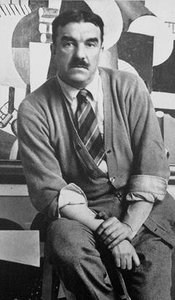
1881 - 1955 , Prantsusmaa
Avastage geomeetrilise abstraktsiooni 10 suurteost – Kandinsky, Mondrian ja teised. Lugege kunstiteoste lugusid ning leidke inspiratsiooni kodukaunistuseks Most-Famous-Paintings.com-is! Kunstikollektsioon ja reprodutsioonid.

Explore 10 iconic artworks capturing the Industrial Revolution’s grit & beauty. From Monet to Manet, discover realism, impressionism & powerful scenes of urban life. Find museum-quality reproductions for your home at Most-Famous-Paintings.com.
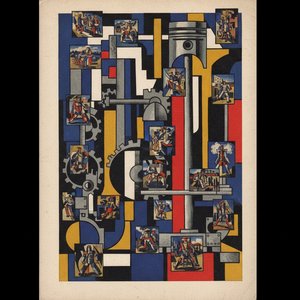
Avastage Fernand Légeri 25 parimat teost! Sukelduge modernse kunsti, kubismi ja tubismi maailma. Leidke inspiratsiooni interjööridisainiks ning ostke kvaliteetseid kunstireproduktsioone Most-Famous-Paintings.com-ist. Avastage kogu kollektsioon veebis!

Explore Precisionism, a pivotal American art movement celebrating the Machine Age. Discover key artists like Sheeler & O'Keeffe, its European roots, and lasting influence on modern aesthetics. Expert analysis for collectors.

Explore the evolution of cityscape painting from Realism to contemporary art with Most-Famous-Paintings. Discover key artists & invest in timeless urban visions. Expert guidance, museum-quality reproductions.


Püsige kursis viimaste kunstiuudistega, eksklusiivsete pakkumistega ja sisustamisideetega.
Kirjeldage meile oma projekti ja meie kunstieksperdid pakuvad teile 3 isikupärast kunstiettepanekut.
Laske meil koostada just teile mõeldud 3 valikut – tasuta!


 Jaga
Jaga

 Loe lähemalt




































 Klaasivalik on saadaval ainult suuruses kuni 110 cm


