


x

Meie kunstnike poolt tellimusel valmistatud käsitsi maalitud õli-kainaste teos teie soovitud suuruses ja raamis. ( Osta print Osta pilt)





























Vali meie eelmääratud suurused, mis vastavad teose algupärastele proportsioonidele.

Sa võite sisestada oma mõõtmed konkreetse raami või ruumi sobivuse tagamiseks. Kui teie valitud suurus ei vasta originaalpildi proportsioonidele, siis kärvime kunstiteost või laiendame maali täiendavate käsitsi maalitud elementidega. Enne tootmise algust saadetakse teile heakskiitmiseks digitaalne eelvaade.
Palun pidage meeles, et ekraanil kuvatav eelvaade ei kajasta tegelikku kärpimist või laiendamist. Ainult eelvaade näitab täpselt lõplikku kompositsiooni.
Kuigi on saadaval kohandatud suurused, soovitame originaalproportsioonide säilimiseks valida mõõdud eelmääratletud nimekirjast.
Maailmline tarne 3–4 nädala jooksul tavalise 5 nädala asemel. (18 august). Kvaliteedis kompromisse ei tehta.


Three Musicians
Reproduktsiooni suurus
In the pantheon of modernist masterpieces, few works capture the rhythmic pulse of the machine age as vibrantly as Fernand Léger’s “Three Musicians.” Created in 1930, this iconic painting serves as a captivating tableau, presenting three male figures brought together by the shared language of melody. Through their respective instruments—a trombone, a violin, and a guitar—these musicians exist in a state of close proximity, almost embracing one another in a way that suggests an immediate sense of camaraderie and shared artistic purpose. The composition is deliberately flattened and fragmented, inviting the viewer to look past traditional depth and instead engage with the pure, structural essence of the subjects.
The visual experience of the piece is defined by Léger’s signature aesthetic, often referred to as “Tubism.” This unique branch of Cubism moves away from the analytical, shattered planes of Picasso or Braque, opting instead for a celebratory emphasis on cylindrical and geometric forms. The figures are constructed from simplified, almost machine-like components, reflecting Léger’s profound fascination with the modern industrial world. With bold, clearly defined areas of color and a relatively flat application of paint, the work avoids subtle shading in favor of a striking, graphic clarity that feels both ancient and avant-garde.
To gaze upon “Three Musicians” is to witness the spirit of post-war optimism. Created during the interwar period, the painting reflects a time of relative stability and a burgeoning fascination with popular culture. Léger, whose experiences in World War I deeply influenced his view of the world, channeled the energy of the era into an art that celebrated vitality. The musicians themselves act as archetypes of artistic expression, their presence representing a joyful escape and a return to cultural pursuits amidst a rapidly changing landscape. The use of primary colors—red, yellow, and blue—evokes a sense of purity and foundational energy, grounding the complex geometry in a primal, visual strength.
Beyond its surface beauty, the painting is rich with symbolic potential. Some art historians suggest that the three figures may represent different facets of Léger’s own creative process, or perhaps even the intersection of human emotion and mechanical precision. The vibrant yellow background acts as a luminous stage, heightening the energy of the scene and pushing the figures forward into the viewer's space. For the collector or interior designer, this piece offers more than just decoration; it provides a profound statement on humanity’s relationship to technology and our capacity for beauty amidst industrial progress.
For those seeking to infuse a space with intellectual depth and visual dynamism, a high-quality reproduction of “Three Musicians” serves as an unparalleled centerpiece. Its bold geometry and rhythmic composition make it a versatile choice for contemporary settings, capable of anchoring a room with its commanding presence. Whether placed in a curated gallery, a sophisticated study, or a modern living space, the painting’s interplay of color and form provides endless inspiration.
Owning a piece that embodies the Machine Age aesthetic allows one to celebrate the intersection of tradition and innovation. The work remains as relevant today as it was in 1930, offering a timeless window into a period of seismic cultural shift. It is an investment in a legacy of modernism—a symphony of form and feeling that continues to resonate with the energy of life itself.

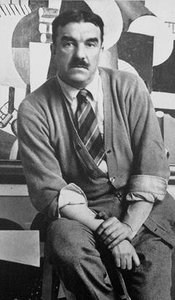
1881 - 1955 , Prantsusmaa

Explore the profound impact of Minimalism and Geometric Abstraction. From Mondrian to Malevich, discover how stripping art to its essential forms revolutionized modern aesthetics through our expert-led historical guide.

Discover the profound intersection of geometry and emotion in Cubist Expressionism. Explore art history through our expert analysis of modern masters and find museum-quality, hand-painted oil reproductions of iconic masterpieces for your collection.

Delve into the era of geometric elegance with our expert exploration of Art Deco masterpieces. Discover the history, iconic artists, and architectural marvels of this luxurious movement, and find museum-quality hand-painted oil reproductions to elevate your collection.

Master the complexities of Geometric Abstraction. Our expert guide explores the evolution from Cubist deconstruction to Bauhaus precision, decoding the power of shape and form. Perfect for art students seeking deep historical context and academic insight into modern masterpieces.


Püsige kursis viimaste kunstiuudistega, eksklusiivsete pakkumistega ja sisustamisideetega.
Kirjeldage meile oma projekti ja meie kunstieksperdid pakuvad teile 3 isikupärast kunstiettepanekut.
Laske meil koostada just teile mõeldud 3 valikut – tasuta!


 Eelvaade
 Saada
Saada Jaga
Jaga
 Teave teose kohta

 Laadi alla
 Sarnased teosed
 Röntgenuuring
 Slaidietendus

 Loe lähemalt







 Klaasivalik on saadaval ainult suuruses kuni 110 cm


