x

 Oil On CanvasWallArtExpressionism
 1954Modern
 160.0 x 124.0 cm
Muuseumikvaliteediga giclée- või kangasprint kiire tootmisega ja paindlikud viimistlusvõimalused. ( Osta käsitsi maalitud maal Osta pilt)





























Vali meie eelmääratud suurused, mis vastavad teose algupärastele proportsioonidele.

Saate sisestada oma mõõdud, et need sobiks konkreetse raami või ruumi sisse. Kui valitud suurus ei vasta originaalteose proportsioonidele, lõigame teose ära või laiendame pilti peegeldatud või ühtlase servaga. Enne tootmisprotsessi algust saadetakse Teie kinnitamiseks digitaalne näidis.
Palun märka, et ekraanil kuvatav eelvaade ei kajasta tegelikku lõigamist või laiendamist. Ainult näidis kujutab täpselt lõplikku kompositsiooni.
Kuigi erimõõdu on saadaval, soovitame originaaproportsioonide säilitamiseks valida mõõt ette määratud nimekirjast.
Ülemaailmne tarne () 2 nädala jooksul, tavalise 4/5 nädala asemel. (20 august)


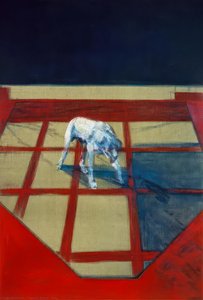
Study for a Running Dog
Reproduktsiooni suurus
Francis Bacon’s "Study for a Running Dog" (1954) is not merely a depiction of an animal in motion; it's a profound exploration of anxiety, primal fear, and the unsettling nature of existence. Painted entirely in muted shades of white, charcoal, and steel gray, this vertical composition presents a slim, almost ghostly dog fleeing across a stark, undefined space. The blurred, thinly painted figure suggests rapid movement, yet the lack of detail contributes to an overall sense of unease and disorientation. This work stands as a powerful example of Bacon's signature expressionistic style, echoing themes found in his more famous depictions of human figures.
"Study for a Running Dog" exemplifies Francis Bacon’s unique brand of expressionism. Departing from traditional representational art, Bacon distorted forms and employed a limited palette to evoke raw emotion rather than precise realism. The composition is dominated by diagonal lines that create a sense of instability and movement, while the dark, gray background amplifies the feeling of isolation. The technique appears to be oil paint applied with visible brushstrokes, creating a rough, uneven texture indicative of impasto layers. This tactile surface adds another layer of emotional intensity to the work. The flattened perspective further enhances the sense of confinement, drawing the viewer into the dog’s unsettling flight.
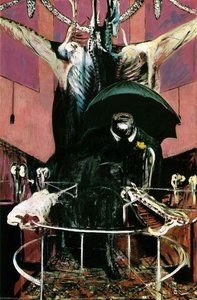
Created in 1954, "Study for a Running Dog" reflects the post-war anxieties prevalent in mid-20th century Europe. The aftermath of World War II left many grappling with existential questions and a sense of disillusionment. Bacon’s work often mirrored this mood, exploring themes of isolation, mortality, and the fragility of human existence. While not directly referencing specific historical events, the painting's unsettling atmosphere resonates with the broader cultural climate of the time. Early influences on Bacon included Pablo Picasso, whose cubist explorations of form undoubtedly informed Bacon’s own distorted representations. However, Bacon moved beyond mere abstraction to create works that were deeply personal and emotionally charged.
While Bacon resisted explicit symbolic interpretations of his work, "Study for a Running Dog" evokes powerful emotions in the viewer. The running dog itself can be interpreted as a symbol of vulnerability, fear, or perhaps even a desperate attempt to escape an unseen threat. Its ghostly appearance and blurred form suggest a sense of impermanence and fragility. The stark background and limited color palette contribute to a feeling of claustrophobia and isolation. The absence of any clear narrative allows the viewer to project their own anxieties and interpretations onto the image, making it a deeply personal and resonant experience. Ultimately, the painting conveys a sense of raw emotion and psychological tension, characteristic of Bacon’s artistic vision.

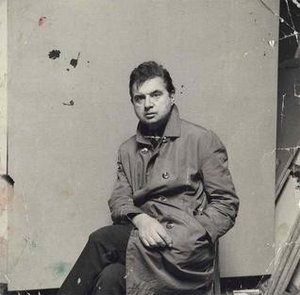
1909 - 1992 , Iisamaa
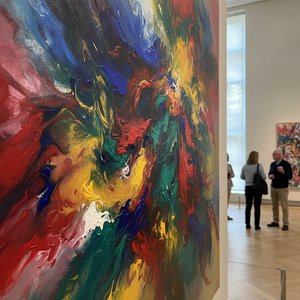
Explore the profound emotional depth of Lyrical Abstraction. Discover how masters like Raymond Parker used color and form to bridge Impressionism and Abstract Expressionism. Learn about this pivotal movement through our expert-led art history guide.

Explore the profound emotional depth of Color Field painting. Discover the history of mid-century abstraction, from Rothko to Newman, and learn how pure color transforms the viewer's experience through our expert art history guide.

Explore the profound history and emotional depth of Abstract Expressionism. From Jackson Pollock to Mark Rothko, master the nuances of the New York School through our expert art history guide. Discover museum-quality hand-painted reproductions for your collection.

Explore the profound impact of Abstract Expressionism. Discover how post-war artists used gesture and emotion to redefine modern art through Action Painting and the New York School. A definitive guide for students and collectors seeking deep historical context.


Püsige kursis viimaste kunstiuudistega, eksklusiivsete pakkumistega ja sisustamisideetega.
Kirjeldage meile oma projekti ja meie kunstieksperdid pakuvad teile 3 isikupärast kunstiettepanekut.
Laske meil koostada just teile mõeldud 3 valikut – tasuta!


 Eelvaade
 Saada
Saada Jaga
Jaga
 Teave teose kohta

 Laadi alla
 Sarnased teosed
 Röntgenuuring
 Slaidietendus
 Loe lähemalt







 Klaasivalik on saadaval ainult suuruses kuni 110 cm