x

 Oil On CanvasWallArtNorthern Renaissance
 1515Renaissance
 141.0 x 100.0 cm
 Staatliche Museen zu Berlin
Ostke kõrglahutusel ja täiustatud digitaalne pilt, mis on oluliselt parem kui veebilehel näidatud eelvaade.
Iga fail on meie spetsialistide poolt hoolikalt ette valmistatud, kasutades kaasaegseid tööriistu ja professionaalset käsitsi retušeerimist. Tagame, et igal pildil on erakordne selgus, täpne värvitäpsus ja peen detail.
Lõplik fail saadetakse e-posti teel 72 tunni jooksul, olles optimeeritud koheseks kasutamiseks professionaalsetes, toimetuslikes ja trüki keskkondades. See on sama kvaliteet, mida usaldavad tipptasemel disainistuudiod, kirjastused ja galeriid.
Laadi alla kõrge resolutsiooniga fail isiklikuks vaatamiseks, trükkimiseks ja loomingulisteks projektideks. ( Osta print Osta käsitsi maalitud maal)
Valides Most-Famous-Paintings.com, ei saa sa lihtsalt pilti – saad professionaalselt parandatud digitaalse teose, mida on valmistatud täpsusega ja mis on toetatud rahuldamatusgarantiiga. Siin on kõik, mis sinu tellimusega automaatselt kaasneb:

Teie kõrge resolutsiooniga digitaalne pildifail saadetakse teile e-posti 72 tunni jooksul pärast tellimist – kohe kasutamiseks valmis.

Teie teos on professionaalselt optimeeritud arenenud tehisintellekti tööriistade ja käsitsi redigeerimise abil, tagades maksimaalse detailitaseme, selguse ja värvitäpsuse.

Kas kustutasid faili kogukalu unustamisel või kustutamisel? Puudub mure – saad selle uuesti igal ajal ilma lisatasuta.

Nautige oma teoseid koheselt ilma tolli-, maksude või tarnimaskuludeta – digiletchargused on alati maksuvabadud.

Me tagame, et teie digitaalne pilt kajastaks originaali värve professionaalsete tööriistade ja värvihalduse abil võimalikult täpselt.

Kui te ei ole oma digipildiga rahul, parandame seda või tagastame 100% summast 60 päeva jooksul – küsimusi ei esita.

Ei ole rahul? Saate täielise tagastaja 60 päeva jooksul pärast digitaalse faili kättesaamist – küsimata.

Osta 3 pilti, säästa 10% - Osta 5, säästa 15% - Osta 10+, säästa 20%. Sobib suurepäraselt loomingulisteks projektideks, galeriideks ja agentuurideks.
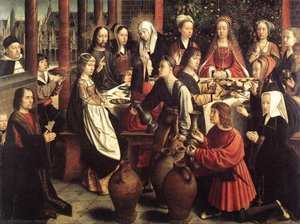
Gerard David's "Crucifixion," completed in 1515, is more than just a depiction of a biblical event; it’s an immersive experience of sorrow and spiritual contemplation. This oil on panel painting, measuring 141 x 100 cm, transcends the limitations of its time to offer a remarkably poignant portrayal of Christ's suffering, firmly rooted in the traditions of Northern Renaissance art. Housed within the Staatliche Museen in Berlin, this work immediately captivates with its masterful use of light and shadow – a technique known as chiaroscuro – that dramatically shapes the scene and evokes a powerful emotional response. David’s skill lies not just in his technical prowess but in his ability to imbue the figures with an almost palpable sense of grief and humanity, making this iconic image eternally relevant.
Created during a period of intense artistic innovation, “Crucifixion” exemplifies the hallmarks of Flemish painting. David’s meticulous attention to detail is immediately apparent in the rendering of each figure – from the delicate folds of the mourners' robes to the expressive anguish etched on Christ’s face. The figures are not idealized; they possess a startling realism that reflects the era’s fascination with observation and human anatomy. The composition itself, while classical in its arrangement—Jesus at the center surrounded by grieving figures—is infused with the Northern Renaissance preference for emotional intensity and psychological depth. This is further evidenced by the play of light and shadow, reminiscent of Jan Van Eyck's work, which creates a sense of volume and draws the viewer’s eye directly to the central figure.
The painting is rich with symbolic meaning, reflecting the profound religious beliefs of the time. The cross itself, naturally, represents Christ's sacrifice and redemption – a cornerstone of Christian theology. Beyond this core symbolism, David incorporates subtle visual cues that deepen the narrative. The women surrounding the cross are often interpreted as representing Mary Magdalene and other female followers, their grief mirroring the universal sorrow associated with loss and suffering. Even the landscape—rolling hills and a distant town—contributes to the overall mood, grounding the scene in a specific geographical context while simultaneously elevating it to a realm of spiritual significance. The use of light, particularly its directional quality, is not merely aesthetic; it’s seen as a symbol of divine enlightenment, echoing interpretations found in works like Alonso Cano's "Cristo en El Limbo."
Gerard David (1450-1523), born in Oudewater, Netherlands, was a pivotal figure in the development of Northern Renaissance art. His career spanned several decades and included leadership roles within workshops in Antwerp and Bruges – vibrant centers of artistic production during his time. Though his reputation waned somewhat in the 17th century, he was later rediscovered by 19th-century art historians who recognized his unique contribution to the movement. “Crucifixion” stands as a testament to David’s enduring legacy, showcasing not only his technical skill but also his profound understanding of human emotion and religious symbolism. It remains a powerful reminder of the timeless themes explored within this iconic work.


1450 - 1523 , Holland


Püsige kursis viimaste kunstiuudistega, eksklusiivsete pakkumistega ja sisustamisideetega.
Kirjeldage meile oma projekti ja meie kunstieksperdid pakuvad teile 3 isikupärast kunstiettepanekut.
Laske meil koostada just teile mõeldud 3 valikut – tasuta!


 Eelvaade
 Saada
Saada Jaga
Jaga
 Teave teose kohta

 Laadi alla
 Sarnased teosed
 Röntgenuuring
 Slaidietendus
 Loe lähemalt