


x

 PaintingSurrealist Landscape
 Modern
 59.0 x 49.0 cm
 Legion of Honor
Muuseumikvaliteediga giclée- või kangasprint kiire tootmisega ja paindlikud viimistlusvõimalused. ( Osta käsitsi maalitud maal Osta pilt)





























Vali meie eelmääratud suurused, mis vastavad teose algupärastele proportsioonidele.

Saate sisestada oma mõõdud, et need sobiks konkreetse raami või ruumi sisse. Kui valitud suurus ei vasta originaalteose proportsioonidele, lõigame teose ära või laiendame pilti peegeldatud või ühtlase servaga. Enne tootmisprotsessi algust saadetakse Teie kinnitamiseks digitaalne näidis.
Palun märka, et ekraanil kuvatav eelvaade ei kajasta tegelikku lõigamist või laiendamist. Ainult näidis kujutab täpselt lõplikku kompositsiooni.
Kuigi erimõõdu on saadaval, soovitame originaaproportsioonide säilitamiseks valida mõõt ette määratud nimekirjast.
Ülemaailmne tarne () 2 nädala jooksul, tavalise 4/5 nädala asemel. (21 august)


Piazza d
Reproduktsiooni suurus
In the hauntingly quiet realm of Giorgio de Chirico’s Piazza d, the boundaries between reality and the subconscious dissolve into a monochrome stillness. This evocative composition serves as a profound exploration of the human psyche, rooted deeply in the existential anxieties that defined early 20th-century Europe. The artwork presents a meticulously crafted illusion, where a solitary statue—a male figure lying prone upon a cobblestone pavement—confronts a nondescript building façade. There is an immediate, unsettling sense of disorientation captured here; the stark juxtaposition of the heavy, resting form against the architectural void mirrors the artist’s lifelong preoccupation with fractured realities and the elusive, often deceptive nature of human perception.
The technique employed by de Chirico is a masterclass in metaphysical tension. While his style is undeniably a precursor to Surrealism, it is anchored by a rigorous, academic draftsmanship learned during his formative years. He utilizes a deliberate flattening of perspective to strip the scene of depth, creating an atmosphere of dreamlike stasis. By choosing a monochrome palette, de Chirico removes the emotional distractions of color, forcing the viewer to confront the raw power of form and texture. The subtle gradations of light and shadow are particularly striking, sculpting the contours of the statue to convey a sense of both monumental permanence and profound vulnerability.
Beyond its visual strikingness, Piazza d is laden with symbolic weight that resonates with anyone who has ever felt the sting of isolation. The statue itself acts as a powerful motif for humanity’s confrontation with mortality and decay. As the figure lies in a state of repose—perhaps sleeping, perhaps eternally still—it embodies a melancholic contemplation of existence. This sense of unease was deeply influenced by the intellectual upheaval of de Chirico's era, particularly the Nietzschean philosophies that challenged traditional moral frameworks and left the individual adrift in an increasingly irrational world.
For the discerning collector or interior designer, this piece offers more than mere decoration; it provides a focal point for deep intellectual engagement. The presence of secondary figures—shadowy individuals engaged in quiet activities near benches—adds layers of narrative complexity, suggesting that even within the vast, empty squares of our dreams, we are never truly alone, yet always fundamentally separate. This artwork is an ideal acquisition for those seeking to infuse a space with sophistication, mystery, and a timeless, contemplative energy.
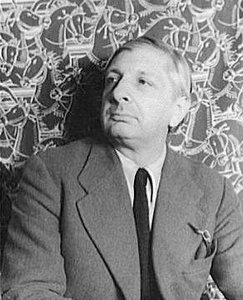
1888 - 1978 , Kreeka
Avastage Mark Rothko 25 parimat teost! Sukelduge ekspressionismi sügavustesse, emotsionaalsetesse värvimaalid ja kunstniku lugudesse. Leidke täiuslik seinakaunistus Most-Famous-Paintings.com-ist – kvaliteetsed reproduktsioonid ja interjööride inspiratsioon.
Avastage James Abbott McNeill Whistler'i 25 võrratut meistriteost! Sukelduge esteetilisse kunstimaailma, õppige tema maalitehnikatest ja leidke täiuslik seina kaunistus Most-Famous-Paintings.com-ist. Kunstikollektsioonid & reprodutsioonid.
Avastage Henri Matisse 25 ikoonilist teost! Sukelduge värviküllase Fauvismi maailma, modernse kunsti ajaloosse ja inspireerige oma interjööri. Kvaliteetsed kunstireprodutsioonid Most-Famous-Paintings.com-is. Avasta kogu kollektsioon online!
Avastage Egon Schiele 25 parimat teost! Sukelduge ekspressionismi maailma, portreekunstis ja Austria maalikunsti sügavustesse. Leidke inspiratsiooni oma interjöörile Most-Famous-Paintings.com-is – kvaliteetsed reproduktsioonid ja kunstikollektsioonid ootavad teid!
Avastage Max Ernsti 25 parimat teost! Sukelduge surrealismi ja dadaismi maailma, tutvuge kunstniku lugude ja tehnikatega. Leidke täiuslik maali oma interjööri Most-Famous-Paintings.com-ist – kvaliteetsed kunstireprodutsioonid ja kollektsioonid.


Püsige kursis viimaste kunstiuudistega, eksklusiivsete pakkumistega ja sisustamisideetega.
Kirjeldage meile oma projekti ja meie kunstieksperdid pakuvad teile 3 isikupärast kunstiettepanekut.
Laske meil koostada just teile mõeldud 3 valikut – tasuta!


 Eelvaade
 Saada
Saada Jaga
Jaga
 Teave teose kohta

 Laadi alla
 Sarnased teosed
 Röntgenuuring
 Slaidietendus
 Loe lähemalt







 Klaasivalik on saadaval ainult suuruses kuni 110 cm


