Müü võimsalt oma kunsti
Soovitusnimekiri Ostukorv Cart
EelvaadeEelvaade AR-eelvaadeAR-eelvaade Osta print Osta printOsta käsitsi maalitud maal Osta käsitsi maalitud maal SaadaSaada
Teave teose kohtaTeave teose kohta Lisa lemmikutesse Lisa lemmikutesse Laadi allaLaadi alla Sarnased teosedSarnased teosed RöntgenuuringRöntgenuuring SlaidietendusSlaidietendus

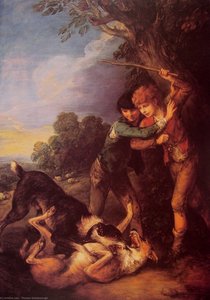
Winter

Explore the frescoes & landscapes of Giuseppe Bernardino Bison (1762-1844), an Italian painter known for his vedute, capriccios, and collaborations in Venice & Trieste.

Ostke kõrglahutusel ja täiustatud digitaalne pilt, mis on oluliselt parem kui veebilehel näidatud eelvaade.

Iga fail on meie spetsialistide poolt hoolikalt ette valmistatud, kasutades kaasaegseid tööriistu ja professionaalset käsitsi retušeerimist. Tagame, et igal pildil on erakordne selgus, täpne värvitäpsus ja peen detail.

Lõplik fail saadetakse e-posti teel 72 tunni jooksul, olles optimeeritud koheseks kasutamiseks professionaalsetes, toimetuslikes ja trüki keskkondades. See on sama kvaliteet, mida usaldavad tipptasemel disainistuudiod, kirjastused ja galeriid.

Digitaalne kunstiteos

Laadi alla kõrge resolutsiooniga fail isiklikuks vaatamiseks, trükkimiseks ja loomingulisteks projektideks. (Osta print Osta printOsta käsitsi maalitud maal Osta käsitsi maalitud maal)

Lõppsumma

$ 24,90

Sisse kuulub iga digitaalse pildi tellimusega

Eksperdi digitaalne kohaletoimetamine, garanteeritud

Valides Most-Famous-Paintings.com, ei saa sa lihtsalt pilti – saad professionaalselt parandatud digitaalse teose, mida on valmistatud täpsusega ja mis on toetatud rahuldamatusgarantiiga. Siin on kõik, mis sinu tellimusega automaatselt kaasneb:

shipping_icon
Kiire digitaalne saatmine

Teie kõrge resolutsiooniga digitaalne pildifail saadetakse teile e-posti 72 tunni jooksul pärast tellimist – kohe kasutamiseks valmis.

canvas_icon
Tehisintellektiga täiustatud digitaalne fail

Teie teos on professionaalselt optimeeritud arenenud tehisintellekti tööriistade ja käsitsi redigeerimise abil, tagades maksimaalse detailitaseme, selguse ja värvitäpsuse.

insurance_icon
Tasuta eluaegne uuesti saatmine

Kas kustutasid faili kogukalu unustamisel või kustutamisel? Puudub mure – saad selle uuesti igal ajal ilma lisatasuta.

tax_icon
Puuduvad importimaksed – alati

Nautige oma teoseid koheselt ilma tolli-, maksude või tarnimaskuludeta – digiletchargused on alati maksuvabadud.

color_icon
Värvitäpsuse garantii

Me tagame, et teie digitaalne pilt kajastaks originaali värve professionaalsete tööriistade ja värvihalduse abil võimalikult täpselt.

return_icon
60-päevane rahulolu garantii

Kui te ei ole oma digipildiga rahul, parandame seda või tagastame 100% summast 60 päeva jooksul – küsimusi ei esita.

guarantee_icon
100% raha tagastamise garantii

Ei ole rahul? Saate täielise tagastaja 60 päeva jooksul pärast digitaalse faili kättesaamist – küsimata.

discount_icon
Suurema tellimuse soodustused

Osta 3 pilti, säästa 10% - Osta 5, säästa 15% - Osta 10+, säästa 20%. Sobib suurepäraselt loomingulisteks projektideks, galeriideks ja agentuurideks.


Kunstniku biograafia

Johann Georg Bergmüller: A Master of Augsburg’s Frescoes

Johann Georg Bergmüller, born in Türkheim in 1762 and passing away in Augsburg in 1762, stands as a pivotal figure in the history of German Baroque art, particularly renowned for his contributions to fresco painting. His life was inextricably linked to the artistic landscape of Augsburg, where he not only honed his craft but also shaped the training of generations of artists. Bergmüller’s journey began humbly, apprenticed to the court painter Johann Andreas Wolff in Munich, a formative experience that exposed him to the burgeoning artistic trends of the era. However, it was his relocation to Augsburg and subsequent appointment as director of the Imperial City Academy that cemented his legacy.

Early Life and Artistic Foundations

Bergmüller’s early education wasn't confined to formal training; his father, a skilled cabinet maker, instilled in him an appreciation for craftsmanship and meticulous detail – qualities that would later translate into his remarkable frescoes. His time in the Netherlands broadened his artistic horizons, exposing him to diverse styles and techniques prevalent throughout Europe. This exposure proved invaluable as he returned to Augsburg, bringing with him a refined understanding of composition and color theory. He quickly established himself as a respected artist, earning commissions for numerous churches and civic buildings within the city. His dedication extended beyond mere execution; Bergmüller was deeply invested in establishing a rigorous artistic education, culminating in the publication of *Anthropometria* in 1723 – a seminal text on the principles of proportion and perspective that served as a cornerstone for aspiring artists.

Notable Works and Artistic Style

Bergmüller’s frescoes are characterized by their dynamic narratives, masterful use of light and shadow, and remarkably detailed depictions of figures and architectural elements. He frequently drew inspiration from religious themes, imbuing his works with a profound sense of spirituality. His work in Ochsenhausen Abbey, for instance, showcases a dramatic scene depicting the martyrdom of Saint Cyprinus, while the frescoes at Steingaden Abbey offer a serene portrayal of the Virgin Mary holding the infant Jesus. The meticulous attention to detail evident in these pieces—from the folds of drapery to the expressions on the faces of the figures—demonstrates Bergmüller’s exceptional technical skill and his commitment to realism. His style, influenced by both Italian Baroque masters and contemporary trends, combined a sense of theatricality with a deep understanding of human anatomy and perspective.

Influence and Legacy

Bergmüller's impact on the artistic community of Augsburg was profound. He not only served as a mentor to numerous talented students – including Johann Georg Wolcker, Gottfried Bernhard Göz, and Johann Evangelist Holzer – but also established a systematic approach to fresco painting that emphasized both technical proficiency and artistic expression. His pupils went on to execute significant works throughout Bavaria and beyond, ensuring the continuation of his stylistic legacy. Furthermore, Bergmüller’s dedication to documenting and disseminating knowledge about art through publications like *Anthropometria* contributed significantly to the development of artistic theory in Germany. He helped establish a framework for understanding proportion, perspective, and composition that would influence generations of artists.

A Forgotten Master

Despite his considerable contributions to the world of art, Bergmüller’s work has often been overshadowed by more celebrated contemporaries. Many of his frescoes have suffered damage or deterioration over time, diminishing their visual impact. However, ongoing research and conservation efforts are gradually revealing the full extent of his artistic achievements, solidifying his position as a significant figure in the history of Baroque art and a vital voice within Augsburg’s vibrant artistic community. His legacy continues to inspire artists and scholars alike, reminding us of the enduring power of fresco painting and the importance of preserving the artistic heritage of Germany.
giuseppe bernardino bison

giuseppe bernardino bison

1762 - 1844 , Italy

Lühikesed faktid

  • Artistic Movement Or Style: Baroque Fresco Painter
  • Artists Or Movements Influenced By This Artist:
    • Johann Georg Wolcker
    • Gottfried Bernhard Göz
  • Artists Who Influenced This Artist: ['Johann Andreas Wolff']
  • Date Of Birth: 1762
  • Date Of Death: 1762
  • Full Name: Johann Georg Bergmüller
  • Nationality: German
  • Notable Artworks:
    • Ochsenhausen Abbey
    • Steingaden Abbey
  • Place Of Birth: Türkheim, Bavaria