x

Muuseumikvaliteediga giclée- või kangasprint kiire tootmisega ja paindlikud viimistlusvõimalused. ( Osta käsitsi maalitud maal Osta pilt)





























Vali meie eelmääratud suurused, mis vastavad teose algupärastele proportsioonidele.

Saate sisestada oma mõõdud, et need sobiks konkreetse raami või ruumi sisse. Kui valitud suurus ei vasta originaalteose proportsioonidele, lõigame teose ära või laiendame pilti peegeldatud või ühtlase servaga. Enne tootmisprotsessi algust saadetakse Teie kinnitamiseks digitaalne näidis.
Palun märka, et ekraanil kuvatav eelvaade ei kajasta tegelikku lõigamist või laiendamist. Ainult näidis kujutab täpselt lõplikku kompositsiooni.
Kuigi erimõõdu on saadaval, soovitame originaaproportsioonide säilitamiseks valida mõõt ette määratud nimekirjast.
Ülemaailmne tarne () 2 nädala jooksul, tavalise 4/5 nädala asemel. (18 august)


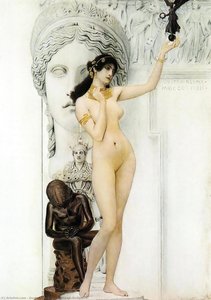
Youth
Reproduktsiooni suurus
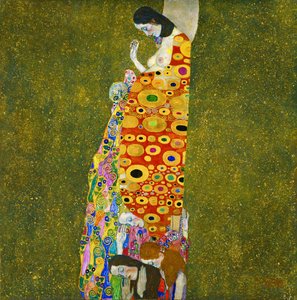
Gustav Klimt’s “Youth,” completed in 1882, stands as a cornerstone of Viennese Secessionist art—a movement that irrevocably challenged the conventions of academic painting and ushered in an era of bold experimentation. This striking monochrome drawing captures a moment frozen in time: two women positioned before a monumental statue, embodying idealized femininity and intellectual contemplation.
“Youth” emerged during a period of profound intellectual ferment in Vienna—the Austro-Hungarian Empire was grappling with rapid industrialization and social change. Klimt’s Secessionists rejected the rigid hierarchies of academic art, advocating for artistic freedom and embracing influences from Byzantine mosaics and Celtic ornamentation. This stylistic rebellion signaled a decisive break from tradition, establishing Klimt as a pivotal figure in shaping the visual landscape of the late nineteenth century.
The pervasive use of floral motifs throughout “Youth” speaks volumes about Klimt’s preoccupation with symbolism. Flowers represent rebirth, purity, and divine grace—concepts deeply rooted in Christian iconography but reimagined through a distinctly pagan lens. The statue before which the women stand symbolizes strength and permanence, juxtaposed against the vulnerability embodied by the infant child. This deliberate contrast underscores Klimt's exploration of duality—the interplay between masculine and feminine energies, earthly existence and spiritual aspiration.
"Youth" transcends mere representation; it aspires to capture a state of profound emotional depth. Klimt’s masterful draughtsmanship conveys an aura of serenity and contemplation, inviting viewers to contemplate the beauty of innocence and the promise of artistic creativity. The drawing's understated elegance—its deliberate avoidance of flamboyant ornamentation—further enhances its impact, leaving behind a lasting impression of timeless grace and intellectual curiosity.

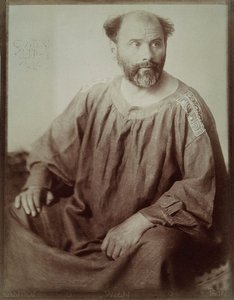
1862 - 1918 , Austria

Explore the profound impact of the Vienna Secession movement. Discover how visionaries like Gustav Klimt revolutionized modern art through symbolism, gold leaf, and the concept of Gesamtkunstwerk in this expert-led historical guide.


Püsige kursis viimaste kunstiuudistega, eksklusiivsete pakkumistega ja sisustamisideetega.
Kirjeldage meile oma projekti ja meie kunstieksperdid pakuvad teile 3 isikupärast kunstiettepanekut.
Laske meil koostada just teile mõeldud 3 valikut – tasuta!


 Eelvaade
 Saada
Saada Jaga
Jaga
 Teave teose kohta

 Laadi alla
 Sarnased teosed
 Röntgenuuring
 Slaidietendus


 Loe lähemalt







 Klaasivalik on saadaval ainult suuruses kuni 110 cm