


x

Ostke kõrglahutusel ja täiustatud digitaalne pilt, mis on oluliselt parem kui veebilehel näidatud eelvaade.
Iga fail on meie spetsialistide poolt hoolikalt ette valmistatud, kasutades kaasaegseid tööriistu ja professionaalset käsitsi retušeerimist. Tagame, et igal pildil on erakordne selgus, täpne värvitäpsus ja peen detail.
Lõplik fail saadetakse e-posti teel 72 tunni jooksul, olles optimeeritud koheseks kasutamiseks professionaalsetes, toimetuslikes ja trüki keskkondades. See on sama kvaliteet, mida usaldavad tipptasemel disainistuudiod, kirjastused ja galeriid.
Laadi alla kõrge resolutsiooniga fail isiklikuks vaatamiseks, trükkimiseks ja loomingulisteks projektideks. ( Osta print Osta käsitsi maalitud maal)
Valides Most-Famous-Paintings.com, ei saa sa lihtsalt pilti – saad professionaalselt parandatud digitaalse teose, mida on valmistatud täpsusega ja mis on toetatud rahuldamatusgarantiiga. Siin on kõik, mis sinu tellimusega automaatselt kaasneb:

Teie kõrge resolutsiooniga digitaalne pildifail saadetakse teile e-posti 72 tunni jooksul pärast tellimist – kohe kasutamiseks valmis.

Teie teos on professionaalselt optimeeritud arenenud tehisintellekti tööriistade ja käsitsi redigeerimise abil, tagades maksimaalse detailitaseme, selguse ja värvitäpsuse.

Kas kustutasid faili kogukalu unustamisel või kustutamisel? Puudub mure – saad selle uuesti igal ajal ilma lisatasuta.

Nautige oma teoseid koheselt ilma tolli-, maksude või tarnimaskuludeta – digiletchargused on alati maksuvabadud.

Me tagame, et teie digitaalne pilt kajastaks originaali värve professionaalsete tööriistade ja värvihalduse abil võimalikult täpselt.

Kui te ei ole oma digipildiga rahul, parandame seda või tagastame 100% summast 60 päeva jooksul – küsimusi ei esita.

Ei ole rahul? Saate täielise tagastaja 60 päeva jooksul pärast digitaalse faili kättesaamist – küsimata.

Osta 3 pilti, säästa 10% - Osta 5, säästa 15% - Osta 10+, säästa 20%. Sobib suurepäraselt loomingulisteks projektideks, galeriideks ja agentuurideks.
Gustave Moreau's "Andromède" is not merely a depiction of a biblical narrative; it’s an immersion into the richly layered, emotionally charged world of Symbolism. Painted in 1890, this work exemplifies Moreau’s profound engagement with mythology, religion, and the subconscious—themes that would define his career and establish him as one of the movement's most distinctive figures. The painting immediately arrests the viewer with its dramatic composition: a woman, Andromède, stands poised against a monstrous figure, locked in what appears to be a desperate struggle. This isn’t a straightforward retelling of the story of Andromeda chained to a rock; instead, Moreau transforms it into a potent allegory for conflict, desire, and the precarious balance between order and chaos.
Moreau's technical mastery is evident in the meticulous detail with which he renders his subjects. The palette is dominated by deep blues, purples, and ochres, creating a sense of melancholy and foreboding. These colors aren’t used to simply represent reality; they are imbued with symbolic weight, reflecting the emotional turmoil at the heart of the scene. Notice the heavy impasto – the thick application of paint – particularly in the textures of the monster's skin and the woman's garments. This technique adds a tactile quality to the work, inviting the viewer to almost feel the struggle unfolding before them. The composition itself is deliberately unbalanced, with the figures positioned off-center, contributing to the overall sense of unease and instability. Moreau’s use of pyramidal structure, a common device in academic art, is subverted here, creating a dynamic tension that draws the eye across the canvas.
The monstrous figure accompanying Andromède is not a literal demon but rather a projection of her inner demons—representing fear, temptation, or perhaps even the destructive forces within herself. The presence of two additional figures – one on either side – adds another layer of complexity to the narrative. Some scholars believe they represent opposing forces, while others interpret them as aspects of Andromède’s own psyche. Moreau frequently employed allegorical figures in his work, drawing inspiration from classical mythology and esoteric traditions. His goal was not to simply depict a story but to explore universal themes through symbolic imagery, tapping into the viewer's subconscious.
"Andromède" was created during a period of significant artistic innovation in Paris. Moreau’s work stood apart from the naturalism and realism that dominated the art world at the time. He aligned himself with other Symbolist artists, such as Odilon Redon and Pierre Puvis de Chavannes, who sought to create works that were both beautiful and deeply meaningful. Moreau's influence can be seen in subsequent generations of artists, including those associated with Art Nouveau and early Modernism. Today, "Andromède" remains a powerful example of Symbolist painting—a testament to Moreau’s ability to transform myth into a profound meditation on the human condition. Its evocative imagery continues to captivate viewers, inviting them to contemplate the timeless themes of struggle, sacrifice, and the enduring power of the imagination.
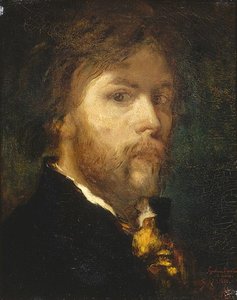
1826 - 1898 , Prantsusmaa


Püsige kursis viimaste kunstiuudistega, eksklusiivsete pakkumistega ja sisustamisideetega.
Kirjeldage meile oma projekti ja meie kunstieksperdid pakuvad teile 3 isikupärast kunstiettepanekut.
Laske meil koostada just teile mõeldud 3 valikut – tasuta!


 Eelvaade
 Saada
Saada Jaga
Jaga
 Teave teose kohta

 Laadi alla
 Sarnased teosed
 Röntgenuuring
 Slaidietendus

 Loe lähemalt


