


x

Meie kunstnike poolt tellimusel valmistatud käsitsi maalitud õli-kainaste teos teie soovitud suuruses ja raamis. ( Osta print Osta pilt)
Vali meie eelmääratud suurused, mis vastavad teose algupärastele proportsioonidele.

Sa võite sisestada oma mõõtmed konkreetse raami või ruumi sobivuse tagamiseks. Kui teie valitud suurus ei vasta originaalpildi proportsioonidele, siis kärvime kunstiteost või laiendame maali täiendavate käsitsi maalitud elementidega. Enne tootmise algust saadetakse teile heakskiitmiseks digitaalne eelvaade.
Palun pidage meeles, et ekraanil kuvatav eelvaade ei kajasta tegelikku kärpimist või laiendamist. Ainult eelvaade näitab täpselt lõplikku kompositsiooni.
Kuigi on saadaval kohandatud suurused, soovitame originaalproportsioonide säilimiseks valida mõõdud eelmääratletud nimekirjast.
Maailmline tarne 3–4 nädala jooksul tavalise 5 nädala asemel. (23 august). Kvaliteedis kompromisse ei tehta.


Blue Pitcher
Reproduktsiooni suurus
Henri Matisse's “Blue Pitcher,” painted in 1901, stands as a cornerstone of Fauvist art—a movement that irrevocably altered the course of twentieth-century painting. More than just a depiction of domestic objects, it embodies Matisse’s revolutionary approach to color and composition, reflecting his profound belief that art should express emotion rather than merely imitate reality.
The canvas presents a deceptively simple arrangement: a blue vase dominates the center stage, perched atop a pitcher. Surrounding it are two bottles positioned on either side, creating an equilibrium that’s subtly reinforced by the inclusion of a spoon resting upon the tabletop. Matisse eschewed traditional perspective and shading techniques, prioritizing instead the vibrancy of color to convey feeling. This deliberate rejection of academic conventions was precisely what defined Fauvism—a bold assertion that color could be its own reward.
Matisse’s masterful brushwork is instantly recognizable. Thick, impasto strokes – meaning paint applied thickly – imbue the canvas with palpable energy and texture. Each stroke isn't merely a mark; it’s an instrument of expression, channeling Matisse’s inner vision onto the surface. The artist meticulously layered hues of blue—ranging from cerulean to indigo—creating depth and luminosity that transcends mere visual representation.
"Blue Pitcher" emerged during a period of artistic ferment, challenging the prevailing aesthetic sensibilities of Impressionism. While Impressionists sought to capture fleeting moments of light and atmosphere, Matisse deliberately prioritized color as its primary vehicle for conveying emotion. This decision aligns with broader intellectual currents of the time—a burgeoning interest in psychology and symbolism—reflecting Matisse’s conviction that art should resonate beyond superficial appearances.
The choice of blue itself is significant. Often associated with tranquility, spirituality, and introspection, it serves as a counterpoint to the darker tones surrounding it. The vase and pitcher—familiar objects imbued with everyday life—become symbols of domestic harmony and contemplation. Ultimately, “Blue Pitcher” invites viewers into Matisse’s emotional landscape, prompting reflection on beauty, color, and the expressive power of art. It remains an enduring testament to Matisse's genius and a pivotal work in the history of Fauvist painting.


1869 - 1954 , Prantsusmaa
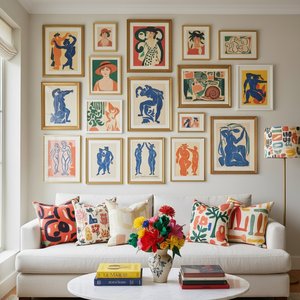
Avastage Henri Matisse 25 ikoonilist teost! Sukelduge värviküllase Fauvismi maailma, modernse kunsti ajaloosse ja inspireerige oma interjööri. Kvaliteetsed kunstireprodutsioonid Most-Famous-Paintings.com-is. Avasta kogu kollektsioon online!

Explore 10 Fauvist masterpieces by Matisse, Derain & Vlaminck that ignited Modern Art! Discover bold colors, expressionist landscapes & the history of this revolutionary movement. Find museum-quality prints at Most-Famous-Paintings.com.
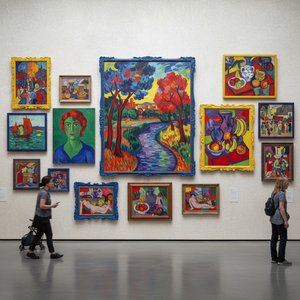
Sukeldu fauvismi maailma! Avasta 10 meistriteost, mis defineerisid värviküllust ja ekspressionismi. Henri Matisse'i, André Deraini jt kunstnike teosed – kunstireproduktsioonid Most-Famous-Paintings.com-ist. Leia inspiratsioon interjööriks ja kaunista kodu! Uuri kogu kollektsiooni veebis.

Immerse yourself in the captivating world of slate blue! Explore 10 iconic paintings by Monet, Van Gogh & Renoir. Discover their stories, techniques & find museum-quality art reproductions for your home at .

Experience art's raw power! Explore 10 iconic paintings – Van Gogh, Kahlo & more – that define 'bold'. Discover the stories behind these expressive masterpieces and find museum-quality reproductions for your home at Most-Famous-Paintings.com.


Püsige kursis viimaste kunstiuudistega, eksklusiivsete pakkumistega ja sisustamisideetega.
Kirjeldage meile oma projekti ja meie kunstieksperdid pakuvad teile 3 isikupärast kunstiettepanekut.
Laske meil koostada just teile mõeldud 3 valikut – tasuta!


 Eelvaade
 Saada
Saada Jaga
Jaga
 Teave teose kohta

 Laadi alla
 Sarnased teosed
 Röntgenuuring
 Slaidietendus

 Loe lähemalt




































 Klaasivalik on saadaval ainult suuruses kuni 110 cm


