x

 Telli trükis Osta digipilt
 Saada
Saada
 Teave teose kohta
 Lisa lemmikutesse
 Laadi alla
 Sarnased teosed
 Röntgenuuring
 Slaidietendus
 Oil On CanvasWallArtRomanticism
 152.0 x 99.0 cm
 Chrysler Museum of Art
Meie kunstnike poolt tellimusel valmistatud käsitsi maalitud õli-kainaste teos teie soovitud suuruses ja raamis.





























Vali meie eelmääratud suurused, mis vastavad teose algupärastele proportsioonidele.

Sa võite sisestada oma mõõtmed konkreetse raami või ruumi sobivuse tagamiseks. Kui teie valitud suurus ei vasta originaalpildi proportsioonidele, siis kärvime kunstiteost või laiendame maali täiendavate käsitsi maalitud elementidega. Enne tootmise algust saadetakse teile heakskiitmiseks digitaalne eelvaade.
Palun pidage meeles, et ekraanil kuvatav eelvaade ei kajasta tegelikku kärpimist või laiendamist. Ainult eelvaade näitab täpselt lõplikku kompositsiooni.
Kuigi on saadaval kohandatud suurused, soovitame originaalproportsioonide säilimiseks valida mõõdud eelmääratletud nimekirjast.
Maailmline tarne 3–4 nädala jooksul tavalise 5 nädala asemel. (18 juuli). Kvaliteedis kompromisse ei tehta.


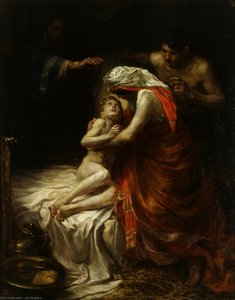
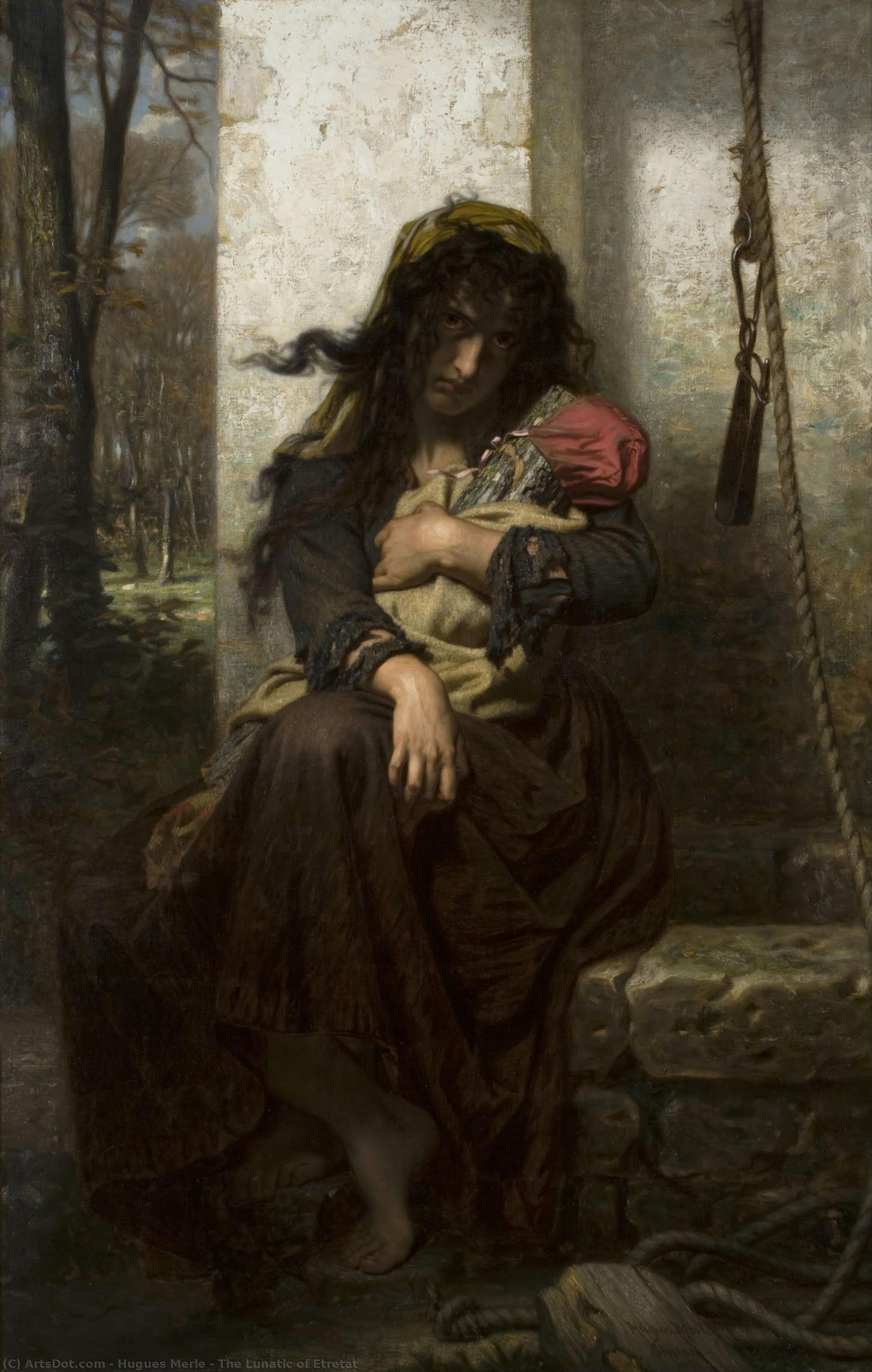
The Lunatic of Etretat
Reproduktsiooni suurus
Hugues Merle’s 1871 painting, *The Lunatic of Étretat*, is not merely a portrait; it's a visceral exploration of grief, societal anxieties, and the burgeoning Romantic sensibility grappling with the realities of post-war France. The scene unfolds within a stark, almost desolate landscape – a weathered stone wall hints at a crumbling past, while a rough rope suggests both restraint and potential escape. At the heart of this tableau sits a woman whose face is a carefully constructed mask of suffering, yet beneath it lies an undeniable vulnerability. Her gaze, directed just beyond the viewer’s line, speaks volumes without uttering a word – a haunting blend of despair, longing, and perhaps even a touch of defiant sorrow.
Merle, trained under Léon Cogniet in the traditions of Academic realism, skillfully employs a technique that balances meticulous observation with an expressive emotionality. The brushstrokes are deliberate yet fluid, creating a sense of movement within the figure’s posture and the folds of her clothing. Notice how he uses light to sculpt the face – highlighting the hollows of her cheeks and emphasizing the intensity in her eyes. This isn't a cold, clinical depiction; Merle imbues the scene with warmth through subtle color choices and an almost tactile quality to his rendering of fabric and texture.
The painting’s historical context is crucial to understanding its deeper resonance. Completed in 1871, just a year after France's humiliating defeat in the Franco-Prussian War, *The Lunatic of Étretat* can be interpreted as a reflection of the nation’s collective trauma. Merle himself was deeply affected by this period of upheaval, and many art historians believe that the woman’s anguish mirrors the broader sense of loss and disillusionment felt throughout France. The log she cradles – not a sleeping infant, but a piece of wood – has been widely interpreted as a potent symbol: perhaps representing lost territory, shattered dreams, or even the remnants of a broken family. It's a tangible reminder of what was irrevocably lost.
Furthermore, the inclusion of the “sanpaku” eyes—the unsettlingly wide-open sockets – adds another layer of complexity. This traditional Japanese aesthetic, often associated with misfortune and imbalance, suggests a deeper psychological disturbance beyond simple grief. Merle’s use of this element elevates the painting from a straightforward portrait to a study in emotional instability and potential madness, aligning it with the Romantic fascination with the darker aspects of human experience.
While interpretations abound, *The Lunatic of Étretat* resists easy categorization. Is she truly mad, consumed by delusion? Or is she a carefully constructed representation of female hysteria – a common diagnosis at the time that often pathologized women’s emotional responses? The painting deliberately avoids offering definitive answers, instead inviting viewers to contemplate the complexities of grief and the societal pressures placed upon women in 19th-century France. Her posture suggests both vulnerability and a fierce determination to endure, hinting at a resilience born from profound suffering.
The overall effect is profoundly moving. Merle doesn’t simply depict sadness; he captures its essence – the weight of unspoken sorrow, the yearning for something lost, and the quiet dignity with which one confronts unimaginable pain. *The Lunatic of Étretat* remains a powerful testament to the enduring capacity of art to explore the darkest corners of the human heart and to reflect the anxieties of an era.

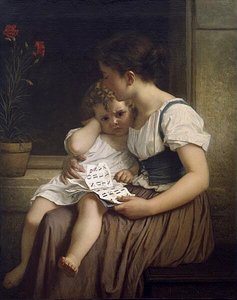
1822 - 1881 , Prantsusmaa

Explore 10 iconic portrait paintings – from Mona Lisa to Van Gogh’s self-portraits. Discover the stories behind these masterpieces, artistic techniques & find museum-quality art reproductions for your home at Most-Famous-Paintings.com.
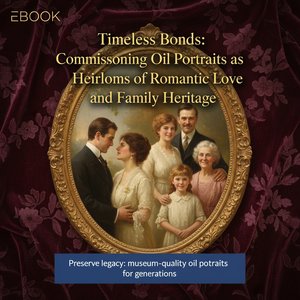
Commission a timeless oil portrait from skilled artists at Most-Famous-Paintings. Preserve your family's legacy with museum-quality paintings, crafted to cherish for generations. Expert guidance & personalized service.

Explore the captivating world of vintage portrait art! Discover styles, techniques & the enduring appeal of 19th-century masterpieces. Expert restoration, custom reproductions & appraisal services at Most-Famous-Paintings.

Tellige unikaalne pulmaportree Most-Famous-Paintings'ist! Käsitsi maalitud õlimaalid, akvarellid ja digitaalsed portreed. Ekspertide abi stiili- ja värvivalikul. Loodame teie armastusloo lõuendile!
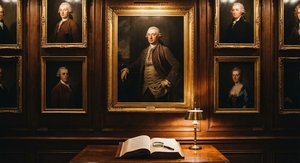
Explore 25 captivating portraits by Sir Joshua Reynolds, a master of British art. Discover stories behind his iconic paintings, elegant style & historical influence. Find museum-quality reproductions and elevate your home decor on Most-Famous-Paintings.com.


Püsige kursis viimaste kunstiuudistega, eksklusiivsete pakkumistega ja sisustamisideetega.
Kirjeldage meile oma projekti ja meie kunstieksperdid pakuvad teile 3 isikupärast kunstiettepanekut.
Laske meil koostada just teile mõeldud 3 valikut – tasuta!


 Jaga
Jaga

 Loe lähemalt







 Klaasivalik on saadaval ainult suuruses kuni 110 cm