


x

Muuseumikvaliteediga giclée- või kangasprint kiire tootmisega ja paindlikud viimistlusvõimalused. ( Osta käsitsi maalitud maal Osta pilt)
Vali meie eelmääratud suurused, mis vastavad teose algupärastele proportsioonidele.

Saate sisestada oma mõõdud, et need sobiks konkreetse raami või ruumi sisse. Kui valitud suurus ei vasta originaalteose proportsioonidele, lõigame teose ära või laiendame pilti peegeldatud või ühtlase servaga. Enne tootmisprotsessi algust saadetakse Teie kinnitamiseks digitaalne näidis.
Palun märka, et ekraanil kuvatav eelvaade ei kajasta tegelikku lõigamist või laiendamist. Ainult näidis kujutab täpselt lõplikku kompositsiooni.
Kuigi erimõõdu on saadaval, soovitame originaaproportsioonide säilitamiseks valida mõõt ette määratud nimekirjast.
Ülemaailmne tarne () 2 nädala jooksul, tavalise 4/5 nädala asemel. (15 august)


Seated Figure
Reproduktsiooni suurus
The year 1917 marks the genesis of Jacques Lipchitz’s monumental sculpture, ‘Seated Figure,’ a cornerstone of Cubism and an enduring testament to Picasso and Braque's revolutionary vision. Born Chaim Jacob Lipschitz in Druskininkai, Lithuania, Lipchitz embarked on his artistic journey fueled by familial encouragement and propelled toward Paris in 1909 – the epicenter of avant-garde fervor.
Lipchitz’s approach to ‘Seated Figure’ embodies the core tenets of Cubism. Rejecting traditional perspective, he dismantles the human form into fragmented geometric planes—primarily rectangular blocks stacked and layered—creating an abstracted representation that prioritizes conceptual exploration over realistic depiction. The sculptor meticulously employs subtractive sculpting techniques, skillfully removing material from a pale limestone block to reveal the underlying structure. This method accentuates the rough texture of the stone, mirroring Lipchitz’s deliberate hand-carving process.
‘Seated Figure’ emerged during a period of profound artistic upheaval—the burgeoning School of Paris witnessed an explosion of experimentation across disciplines. Lipchitz's formative years were spent honing his craft alongside fellow artists like Picasso, Gris, and Modigliani, fostering a collaborative spirit that propelled Cubism forward. The sculpture directly reflects the influence of Picasso’s groundbreaking work on fragmented form and perspective, establishing ‘Seated Figure’ as a pivotal contribution to the movement.
Beyond its formal innovation, ‘Seated Figure’ carries symbolic weight. Lipchitz deliberately presents the seated human form in multiple viewpoints simultaneously—a technique that underscores the multifaceted nature of perception and challenges viewers to reconsider conventional notions of representation. The sculpture serves as a visual metaphor for deconstructing reality, prompting contemplation on how we perceive and interpret the world around us.
Despite its geometric abstraction, ‘Seated Figure’ possesses an undeniable emotional resonance. The sculpture's austere materiality—the cool beige stone—contrasts subtly with the dynamic interplay of planes, creating a sense of quiet intensity. Lipchitz’s masterful manipulation of texture and light contributes to this effect, inviting viewers into a contemplative dialogue about form, space, and human experience.
This remarkable sculpture exemplifies Lipchitz’s unwavering commitment to artistic innovation and continues to inspire admiration for its groundbreaking aesthetic and profound conceptual depth.


1891 - 1973 , Lithuania
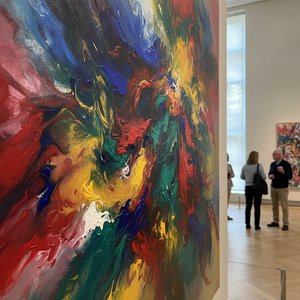
Explore the profound emotional depth of Lyrical Abstraction. Discover how masters like Raymond Parker used color and form to bridge Impressionism and Abstract Expressionism. Learn about this pivotal movement through our expert-led art history guide.

Explore the profound history of sculpture, from classical realism to modern abstraction. Discover the mastery of form, texture, and medium through an expert art-historical lens designed for discerning collectors and enthusiasts.

Explore the profound emotional depth of Color Field painting. Discover the history of mid-century abstraction, from Rothko to Newman, and learn how pure color transforms the viewer's experience through our expert art history guide.


Püsige kursis viimaste kunstiuudistega, eksklusiivsete pakkumistega ja sisustamisideetega.
Kirjeldage meile oma projekti ja meie kunstieksperdid pakuvad teile 3 isikupärast kunstiettepanekut.
Laske meil koostada just teile mõeldud 3 valikut – tasuta!


 Saada
Saada Jaga
Jaga
 Teave teose kohta

 Laadi alla
 Sarnased teosed
 Slaidietendus


 Loe lähemalt




































 Klaasivalik on saadaval ainult suuruses kuni 110 cm


