


x

 Oil On CanvasWallArtRomanticism
 19th Century
 56.0 x 71.0 cm
Meie kunstnike poolt tellimusel valmistatud käsitsi maalitud õli-kainaste teos teie soovitud suuruses ja raamis. ( Osta print Osta pilt)





























Vali meie eelmääratud suurused, mis vastavad teose algupärastele proportsioonidele.

Sa võite sisestada oma mõõtmed konkreetse raami või ruumi sobivuse tagamiseks. Kui teie valitud suurus ei vasta originaalpildi proportsioonidele, siis kärvime kunstiteost või laiendame maali täiendavate käsitsi maalitud elementidega. Enne tootmise algust saadetakse teile heakskiitmiseks digitaalne eelvaade.
Palun pidage meeles, et ekraanil kuvatav eelvaade ei kajasta tegelikku kärpimist või laiendamist. Ainult eelvaade näitab täpselt lõplikku kompositsiooni.
Kuigi on saadaval kohandatud suurused, soovitame originaalproportsioonide säilimiseks valida mõõdud eelmääratletud nimekirjast.
Maailmline tarne 3–4 nädala jooksul tavalise 5 nädala asemel. (22 august). Kvaliteedis kompromisse ei tehta.


A winter landscape with with figures on a path, a footbridge and windmills beyond
Reproduktsiooni suurus
In the quietude of a frost-bitten morning, John Constable’s "Winter Landscape with Figures on a Path, A Footbridge and Windmills Beyond" invites the viewer into a realm where time seems to have frozen alongside the landscape. Painted around 1824-25, this masterpiece is far more than a mere seasonal depiction; it is a profound meditation on the enduring relationship between humanity and the natural world. As one gazes upon the snow-dusted fields of Suffolk's Dedham Vale, there is an immediate sense of entering a sanctuary of stillness. The artwork captures that fleeting, heavy moment just before a snowfall, where the atmosphere is thick with anticipation and the world holds its breath in a state of quiet contemplation.
The composition masterfully guides the wandering eye through a meticulously layered English countryside. A winding path, etched into the white expanse, serves as a visual journey, leading the observer past a delicate footbridge toward a distant cluster of cottages and windmills. This structural depth is achieved through Constable’s expert use of atmospheric perspective, where the far reaches of the horizon soften into pale, ethereal tones, creating an illusion of vast, unending space. The presence of small, industrious figures traversing the path grounds this sublime vista in the tangible reality of rural life, reminding us that even in the harshest winters, the rhythm of human perseverance continues unabated.
Technically, this work stands as a testament to Constable’s revolutionary commitment to plein air painting. Eschewing the polished, idealized landscapes of his predecessors, Constable sought the raw truth of nature. He employed oil on canvas with a tactile brilliance, utilizing thick impasto brushstrokes to breathe life into the physical world. One can almost feel the crunch of the frozen earth and the rough grain of the wooden bridge underfoot. His palette is a sophisticated study in restraint; dominated by muted greys, deep browns, and brilliant whites, the color scheme reflects the low-contrast light of an overcast winter sky. These cool, subdued tones do not merely represent coldness—they evoke a specific psychological state of melancholy and peace.
For the discerning collector or interior designer, this painting offers a unique versatility in decor. Its neutral, sophisticated palette allows it to integrate seamlessly into modern minimalist spaces, where it can serve as a serene focal point, or within more traditional, classical settings, where it acts as a window into the Romantic era. The subtle interplay of light and shadow provides a sense of movement within a static scene, ensuring that the artwork remains dynamic and engaging from every angle.
Beyond its aesthetic splendor, the painting is rich with the symbolic language of the Romantic movement. The solitary windmill, standing as a sentinel over the valley, may be interpreted as a symbol of both industrial progress and the inevitable decay of time. There is a poignant tension between the permanence of the landscape and the transient nature of the figures moving through it. This duality creates an emotional resonance that transcends the canvas, touching upon universal themes of solitude, resilience, and the cyclical nature of life.
To possess a reproduction of this work is to bring a piece of English heritage into one's home—a fragment of a lost, pastoral Eden. It is an invitation to slow down, to observe the subtle gradations of light, and to find beauty in the bleakest of seasons. Whether viewed as a historical document of the Dedham Vale or as a pure emotional experience, Constable’s winter vision remains an eternal triumph of the human spirit over the elements.

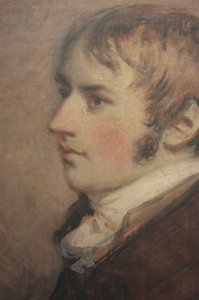
1776 - 1837 , Suurbritannia
Avastage John Constable'i 25 suurimat teost! Sukeldu inglise maastikumaali romantismisse, imetlege Dedham Vale ilu ja leia inspiratsiooni kodukaunistuseks. Kvaliteetsed kunstireprodutsioonid Most-Famous-Paintings.com-is. Vaata kohe!

Avastage 10 romantilise maastikukunsti meistriteost! Tutvuge Caspar David Friedrichi, J.M.W. Turneri ja teiste suurte kunstnike loominguga Most-Famous-Paintings.com-is. Leidke täiuslik õlimaal või reproduktsioon koduks – inspireeriv kollektsioon ootab!

Explore 25 iconic John Singer Sargent paintings – from dazzling portraits to Impressionist landscapes. Discover the stories behind Madame X, El Jaleo & more! Find museum-quality art reproductions and elevate your home decor with Most-Famous-Paintings.com.
Avastage Rembrandti 25 meistriteost! Hollandi kuldajastu barokkmaalid, portreed ja ajaloolised stseenid. Leidke inspiratsiooni interjööri kujunduseks või soetage luksuslik Rembrandt reproduktsioon Most-Famous-Paintings.com-ist. Avastage kogu kollektsioon veebis!

Explore the life & work of Jacob van Ruisdael, the preeminent Dutch landscape painter. Discover his technical brilliance, symbolic depth, and lasting influence on art history. Learn about collecting Ruisdael's masterpieces.


Püsige kursis viimaste kunstiuudistega, eksklusiivsete pakkumistega ja sisustamisideetega.
Kirjeldage meile oma projekti ja meie kunstieksperdid pakuvad teile 3 isikupärast kunstiettepanekut.
Laske meil koostada just teile mõeldud 3 valikut – tasuta!


 Eelvaade
 Saada
Saada Jaga
Jaga
 Teave teose kohta

 Laadi alla
 Sarnased teosed
 Röntgenuuring
 Slaidietendus
 Loe lähemalt







 Klaasivalik on saadaval ainult suuruses kuni 110 cm


