x


 Preview
 Tellimaks maali Osta digipilt
 Saada
Saada
 Teave teose kohta
 Lisa lemmikutesse
 Laadi alla
 Sarnased teosed
 Röntgenuuring
 Slaidietendus
Muuseumikvaliteediga giclée- või kangasprint kiire tootmisega ja paindlikud viimistlusvõimalused.





























Vali meie eelmääratud suurused, mis vastavad teose algupärastele proportsioonidele.

Saate sisestada oma mõõdud, et need sobiks konkreetse raami või ruumi sisse. Kui valitud suurus ei vasta originaalteose proportsioonidele, lõigame teose ära või laiendame pilti peegeldatud või ühtlase servaga. Enne tootmisprotsessi algust saadetakse Teie kinnitamiseks digitaalne näidis.
Palun märka, et ekraanil kuvatav eelvaade ei kajasta tegelikku lõigamist või laiendamist. Ainult näidis kujutab täpselt lõplikku kompositsiooni.
Kuigi erimõõdu on saadaval, soovitame originaaproportsioonide säilitamiseks valida mõõt ette määratud nimekirjast.
Ülemaailmne tarne () 2 nädala jooksul, tavalise 4/5 nädala asemel. (23 juuli)


Drawing 6
Reproduktsiooni suurus
John Singer Sargent's "Drawing 6" is not merely a depiction of the human form; it’s a concentrated distillation of observation, movement, and the artist’s profound understanding of anatomy. Executed with charcoal or graphite on paper – likely textured to enhance the tactile quality of the drawing – this preparatory sketch offers an intimate glimpse into Sargent's working process, revealing a dedication to capturing not just appearance but the very essence of dynamism. The subject, a nude male figure caught in a powerfully expressive pose, immediately commands attention. It’s a study, undoubtedly, yet one brimming with potential, hinting at the larger narratives and grander compositions that would later define Sargent's illustrious career.
Created during Sargent’s formative years (1856-1925), “Drawing 6” reflects the artist’s early training and evolving style. His upbringing, shaped by a nomadic existence across Europe – Florence, France, Germany, Italy, and Switzerland – exposed him to an unparalleled wealth of artistic influences, from classical sculpture to the works of contemporary masters. This exposure fostered a deep appreciation for anatomical accuracy combined with a desire to capture fleeting moments of human expression. The drawing’s emphasis on movement aligns with the broader trends in 19th-century art, where artists sought to represent not just static forms but the dynamism inherent in life.
While devoid of overt symbolic meaning, “Drawing 6” possesses a powerful emotional resonance. The figure’s posture – poised between strength and vulnerability – evokes a sense of contained energy and potential. It's a study in the human condition, exploring themes of physicality, movement, and perhaps even the inherent tension between control and surrender. The drawing’s stark black and white palette further amplifies its impact, stripping away any distractions and focusing solely on the raw power of form.
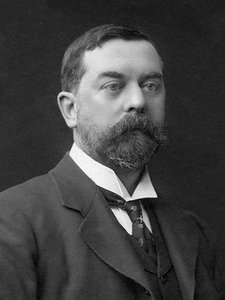
1856 - 1925 , Itaalia

Explore the life & art of John Singer Sargent, premier portraitist of the Gilded Age. Discover his Impressionistic masterpieces, technical brilliance, and enduring legacy. Expert insights for collectors.

Explore 25 iconic John Singer Sargent paintings – from dazzling portraits to Impressionist landscapes. Discover the stories behind Madame X, El Jaleo & more! Find museum-quality art reproductions and elevate your home decor with Most-Famous-Paintings.com.
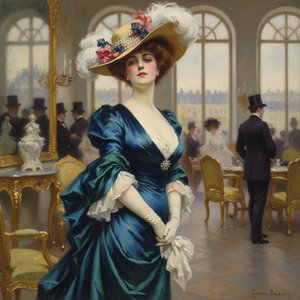
Explore the captivating world of Giovanni Boldini, master of Belle Époque portraiture. Discover his signature style, iconic works like 'Miss Bell,' and lasting influence on art history. Expert analysis for collectors.

Explore the profound artistic significance of sketches throughout history. From Renaissance masters to modern innovators like Van Gogh & Guston, discover how these foundational works reveal technique, emotion, and vision. Learn more at Most-Famous-Paintings.

Explore the rich history of drawing! Discover key techniques like linear perspective & iconic artists from the Renaissance to modern times. Enhance your art appreciation with Most-Famous-Paintings.


Püsige kursis viimaste kunstiuudistega, eksklusiivsete pakkumistega ja sisustamisideetega.
Kirjeldage meile oma projekti ja meie kunstieksperdid pakuvad teile 3 isikupärast kunstiettepanekut.
Laske meil koostada just teile mõeldud 3 valikut – tasuta!


 Jaga
Jaga


 Loe lähemalt







 Klaasivalik on saadaval ainult suuruses kuni 110 cm