Müü võimsalt oma kunsti
Soovitusnimekiri Ostukorv Cart
EelvaadeEelvaade AR-eelvaadeAR-eelvaade Osta print Osta printOsta pilt Osta pilt SaadaSaada
Teave teose kohtaTeave teose kohta Lisa lemmikutesse Lisa lemmikutesse Laadi allaLaadi alla Sarnased teosedSarnased teosed RöntgenuuringRöntgenuuring SlaidietendusSlaidietendus

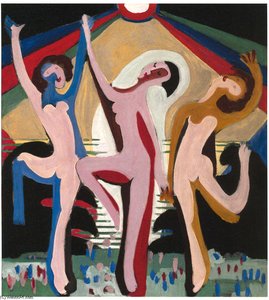
White squad

Leon Golub (1922-2004) challenged artistic norms with visceral figurative paintings exploring power, violence & the human condition. Influenced by classical art and war's horrors, he foreshadowed Neo-Expressionism.

Käsitsi valmistatud õlimaalireproduktsioon

Meie kunstnike poolt tellimusel valmistatud käsitsi maalitud õli-kainaste teos teie soovitud suuruses ja raamis. (Osta print Osta printOsta pilt Osta pilt)

Standard
custom
CM
INCH

Vali meie eelmääratud suurused, mis vastavad teose algupärastele proportsioonidele.

laius
kõrgus

Sa võite sisestada oma mõõtmed konkreetse raami või ruumi sobivuse tagamiseks. Kui teie valitud suurus ei vasta originaalpildi proportsioonidele, siis kärvime kunstiteost või laiendame maali täiendavate käsitsi maalitud elementidega. Enne tootmise algust saadetakse teile heakskiitmiseks digitaalne eelvaade.
Palun pidage meeles, et ekraanil kuvatav eelvaade ei kajasta tegelikku kärpimist või laiendamist. Ainult eelvaade näitab täpselt lõplikku kompositsiooni.
Kuigi on saadaval kohandatud suurused, soovitame originaalproportsioonide säilimiseks valida mõõdud eelmääratletud nimekirjast.

Näited muudetavatest elementidest: asenda nägu kliendi fotoga; lisa lemmikloom (nt asenda kass koeraga); lisa taustale peidetud sõnum; muuda tausta maastikku või elemente.
Pärast tellimust saadab Most-Famous-Paintings.com meeskond kliendile e-posti juhised ning esitab eelvaate kavandi.

Maailmline tarne 3–4 nädala jooksul tavalise 5 nädala asemel. (19 august). Kvaliteedis kompromisse ei tehta.

why_choose_icon
Tasuta ekspresssaatmine üle maailma
why_choose_icon
Kõrgekvaliteediline linakangas
why_choose_icon
Täielik transpordikindlustus
why_choose_icon
Tollimaksude tagastamise garantii
why_choose_icon
Värvitoime täpsuse garantii
why_choose_icon
60-päevane tagastusõig: ainult tootmisdefektide korral
why_choose_icon
100% raha tagasi garantii
why_choose_icon
Hulgusoodustus

Kogu summa

$ 297

reproduction

White squad

Reproduktsiooni tehnika

Reproduktsiooni suurus

-

Kogusumma

$ 297


Kunstniku elulugu

A Life Forged in Figuration: The World of Leon Golub

Leon Golub, born in Chicago in 1922 and passing away in 2004, stands as a pivotal figure in 20th-century American painting—a defiant voice that consistently challenged the prevailing currents of abstraction. While his contemporaries were exploring the realms of color field and gestural expressionism, Golub resolutely turned back to the human form, not to celebrate it, but to confront its capacity for brutality, power, and suffering. His journey was one of deliberate opposition, a commitment to representing the uncomfortable truths often obscured by aesthetic detachment. Educated at the University of Chicago in Art History and later honing his skills at the School of the Art Institute of Chicago under the G.I. Bill, Golub’s formative years were deeply marked by the aftermath of war and the anxieties of the Cold War—a context that would profoundly shape his artistic vision. His time at SAIC was not merely a period of technical training; it was an immersion into a community of fellow veterans grappling with shared trauma, and where he met Nancy Spero, who became both his life partner and a significant artistic collaborator.

Rejecting the Abstract Tide: A Unique Artistic Language

Golub’s deliberate rejection of abstraction wasn't simply an aesthetic choice; it was a moral one. He believed that figurative painting possessed a unique power to engage directly with the realities of human experience, particularly its darker aspects. His influences were remarkably diverse, ranging from the classical grandeur of Greek and Roman sculpture—forms he saw as embodying both heroism and violence—to the raw energy of athletic competitions and even the unsettling imagery found in gay pornography. This eclectic mix fueled a vast database of visual references that informed his work, allowing him to create compositions that felt simultaneously ancient and contemporary. Crucially, Golub developed a distinctive painting technique that mirrored the rawness of his subject matter. He wasn’t interested in smooth surfaces or delicate brushwork; instead, he employed layers of paint, often scraping them away with tools—famously including a meat cleaver—to reveal varying amounts of canvas beneath. This created textured, almost scarred surfaces that spoke to the violence and trauma depicted within his paintings. It was a visceral approach, one that demanded attention and refused easy consumption.

From Mythological Struggles to Political Confrontation

Golub’s artistic development unfolded through distinct periods, each marked by evolving themes and techniques. His early work in the 1950s and 60s often drew upon mythological and historical narratives, focusing on heroic figures locked in violent struggles—the *Gigantomachy II* series being a prime example. These paintings weren’t celebrations of heroism; they were explorations of conflict, power dynamics, and the inherent brutality within even the most celebrated myths. A transformative period followed with his move to Europe between 1959 and 1964. Immersed in Etruscan and Roman art, Golub's canvases grew larger, and he began experimenting with acrylics, further refining his exploration of power and violence. However, it was the escalating Vietnam War that truly galvanized his artistic purpose. The *Napalm* and *Vietnam* series directly addressed the horrors of war and American involvement, becoming powerful statements against political oppression. Golub didn’t shy away from controversy; he actively participated in artist protests against the conflict, solidifying his commitment to art as a form of social commentary. His later career, beginning in the 1970s, saw him turn increasingly towards portraiture, depicting political leaders, dictators, and religious figures in unflattering or critical ways—works like *We Love Our Leader* serving as scathing indictments of authoritarianism.

A Legacy of Defiance and Influence

Leon Golub’s historical significance lies not only in his artistic achievements but also in his unwavering commitment to challenging the status quo. By championing figurative painting during a period dominated by abstraction, he paved the way for the emergence of Neo-Expressionism and inspired a generation of artists to embrace narrative and emotional intensity. He is considered a forerunner to the Chicago Imagists, a group known for their expressive figurative style and rejection of mainstream art trends. More than just an artist, Golub was a political activist who used his work as a platform for protest and commentary on power structures. His unflinching exploration of violence and its consequences continues to resonate with contemporary audiences, making him a vital figure in 20th-century American painting. He remains known for his raw emotional intensity, intellectual rigor, and the courage to confront uncomfortable truths—a legacy that ensures his work will continue to provoke and inspire for generations to come. His marriage to Nancy Spero was also a significant aspect of his life; their artistic practices were deeply intertwined, though distinct, with frequent collaboration and mutual influence enriching both their oeuvres. They shared a commitment to activism and community engagement, participating in protests and advocating for social change throughout their careers.
Leon Golub

Leon Golub

1922 - 2004 , United States of America

Lühikesed faktid

  • Artistic Movement Or Style: Figurative painting, Neo-Expressionism
  • Artists Or Movements Influenced By This Artist:
    • Chicago Imagism
    • Neo-Expressionism
  • Artists Who Influenced This Artist: ['Greek/Roman sculpture']
  • Date Of Birth: January 23, 1922
  • Date Of Death: August 8, 2004
  • Full Name: Leon Golub
  • Nationality: American
  • Notable Artworks:
    • Gigantomachy II
    • Napalm
    • Vietnam
    • We Love Our Leader
    • White Squad
  • Place Of Birth: Chicago, USA