x

 Tempera On PanelLate Gothic-Early Renaissance
 1395Late Medieval
 215.0 x 163.0 cm
 Staatliche Museen zu Berlin
Muuseumikvaliteediga giclée- või kangasprint kiire tootmisega ja paindlikud viimistlusvõimalused. ( Osta käsitsi maalitud maal Osta pilt)
Vali meie eelmääratud suurused, mis vastavad teose algupärastele proportsioonidele.

Saate sisestada oma mõõdud, et need sobiks konkreetse raami või ruumi sisse. Kui valitud suurus ei vasta originaalteose proportsioonidele, lõigame teose ära või laiendame pilti peegeldatud või ühtlase servaga. Enne tootmisprotsessi algust saadetakse Teie kinnitamiseks digitaalne näidis.
Palun märka, et ekraanil kuvatav eelvaade ei kajasta tegelikku lõigamist või laiendamist. Ainult näidis kujutab täpselt lõplikku kompositsiooni.
Kuigi erimõõdu on saadaval, soovitame originaaproportsioonide säilitamiseks valida mõõt ette määratud nimekirjast.
Ülemaailmne tarne () 2 nädala jooksul, tavalise 4/5 nädala asemel. (17 august)


Antiphonary (Cod. Cor. 8, folio 102)
Reproduktsiooni suurus
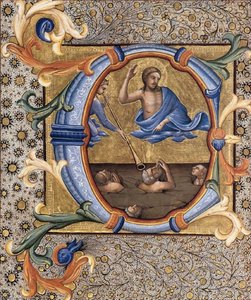
Lorenzo Monaco's "Antiphonary (Cod. Cor. 8, folio 102)," crafted in 1395, stands as a remarkable testament to the artistic and spiritual landscape of early Renaissance Italy. Housed within the esteemed Staatliche Museen zu Berlin, this tempera masterpiece offers a profound window into the devotional practices and aesthetic sensibilities of the era.
The painting centers on Jesus Christ, depicted with striking detail and imbued with an aura of serenity. He holds a book, a potent symbol representing divine knowledge and wisdom, his gaze directed downwards in contemplation of its sacred text. The figure's long hair and flowing red robe contribute to the overall sense of reverence and introspection. While other figures are present in the background, they remain secondary to Christ’s central role. The composition is elegantly framed by an ornate border, enhancing the visual appeal and emphasizing the artwork's importance.
Lorenzo Monaco (1370-1425), born Piero di Giovanni in Siena, was a pivotal figure bridging late Gothic and early Renaissance art. His style uniquely blended traditional Byzantine influences with emerging Renaissance techniques. He spent much of his career within the Camaldolese monastery of Santa Maria degli Angeli, where he produced illuminated manuscripts like this antiphonary page. This work exemplifies Monaco’s ability to create pieces that reflected both periods, showcasing a transition in artistic styles and themes.
“Antiphonary (Cod. Cor. 8, folio 102)” is executed in tempera on parchment, a common medium for illuminated manuscripts of the period. The use of vibrant pigments creates a rich color palette dominated by warm tones – reds, golds, and browns – accented with blues and greens. The application of gold leaf adds luminosity and enhances the spiritual quality of the artwork. The meticulous line work and decorative ornamentation are characteristic of Gothic manuscript illumination.
“Antiphonary (Cod. Cor. 8, folio 102)” evokes a sense of profound devotion and reverence. The artwork’s meticulous detail, vibrant colors, and symbolic imagery invite contemplation and reflection on spiritual themes. As a bridge between medieval and Renaissance art, it offers valuable insights into the evolution of artistic expression and cultural values during a transformative period in European history.


1370 - 1425 , Itaalia
Explore the exquisite elegance of International Gothic art. Discover the mastery of illuminated manuscripts, the brilliance of gold leaf, and the legacy of the Limbourg Brothers in this expert guide to Europe's sophisticated medieval dawn.

Embark on a journey through the dramatic era of Gothic art. Discover the profound beauty of illuminated manuscripts, sacred gold leaf masterpieces, and the transition to naturalism in this expert-led exploration of medieval artistry and historical grandeur.

Explore the rich history & techniques of tempera painting! Discover Renaissance masters like Botticelli & Fra Angelico, conservation insights, and the enduring legacy of this captivating art form. Learn more now!

Step into the luminous world of egg tempera painting. Explore the sacred history, meticulous techniques, and enduring glow of this medieval masterpiece medium, from illuminated manuscripts to the timeless legacy of the Old Masters.

Embark on a journey through time with our deep dive into the exquisite beauty of illuminated manuscripts. Discover the sacred artistry, precious materials, and enduring legacy of medieval illumination in this cultural exploration for history lovers.


Püsige kursis viimaste kunstiuudistega, eksklusiivsete pakkumistega ja sisustamisideetega.
Kirjeldage meile oma projekti ja meie kunstieksperdid pakuvad teile 3 isikupärast kunstiettepanekut.
Laske meil koostada just teile mõeldud 3 valikut – tasuta!


 Eelvaade
 Saada
Saada Jaga
Jaga
 Teave teose kohta

 Laadi alla
 Sarnased teosed
 Röntgenuuring
 Slaidietendus
 Loe lähemalt




































 Klaasivalik on saadaval ainult suuruses kuni 110 cm