x

 Acrylic On CanvasWallArtSurrealist Dreamscape
Surrealism
Acrylic On CanvasWallArtSurrealist Dreamscape
Surrealism 1930
1930 65.0 x 32.0 cm
Muuseumikvaliteediga giclée- või kangasprint kiire tootmisega ja paindlikud viimistlusvõimalused. ( Osta käsitsi maalitud maal Osta pilt)





























Vali meie eelmääratud suurused, mis vastavad teose algupärastele proportsioonidele.

Saate sisestada oma mõõdud, et need sobiks konkreetse raami või ruumi sisse. Kui valitud suurus ei vasta originaalteose proportsioonidele, lõigame teose ära või laiendame pilti peegeldatud või ühtlase servaga. Enne tootmisprotsessi algust saadetakse Teie kinnitamiseks digitaalne näidis.
Palun märka, et ekraanil kuvatav eelvaade ei kajasta tegelikku lõigamist või laiendamist. Ainult näidis kujutab täpselt lõplikku kompositsiooni.
Kuigi erimõõdu on saadaval, soovitame originaaproportsioonide säilitamiseks valida mõõt ette määratud nimekirjast.
Ülemaailmne tarne () 2 nädala jooksul, tavalise 4/5 nädala asemel. (12 august)


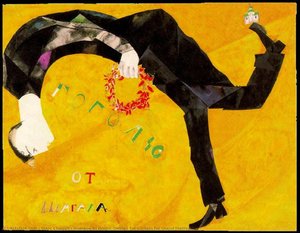
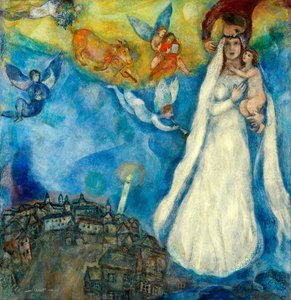
The Acrobat
Reproduktsiooni suurus
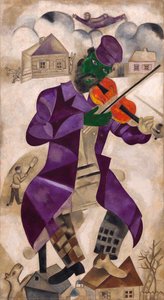
Marc Chagall’s “The Acrobat,” painted in 1930 during the height of his Surrealist experimentation, isn't merely a depiction of an acrobatic performance; it’s a profound meditation on flight, vulnerability, and the elusive nature of recollection. Created in Vitebsk, Belarus—a town deeply ingrained in Chagall’s artistic consciousness—the painting embodies the artist’s signature blend of Jewish folklore and dreamlike imagery.
Historical Context: Chagall’s artistic output coincided with the burgeoning Surrealist movement spearheaded by André Breton, reacting against rationalism and embracing the subconscious mind. Vitebsk experienced significant upheaval during this period due to pogroms (violent anti-Jewish riots), adding a layer of emotional resonance to Chagall's creative process.
Emotional Impact: “The Acrobat” evokes a sense of wonder and melancholy simultaneously. Its dreamlike atmosphere compels viewers to confront questions about identity, loss, and the transformative power of imagination. The painting's luminous colors and dynamic composition convey an urgent desire for movement—a yearning to escape limitations and embrace the boundless possibilities inherent in the human spirit.
Ultimately, Chagall’s “The Acrobat” transcends its formal elements—tempera paint, flattened perspective—to deliver an enduring message about the human condition: that even amidst darkness and uncertainty, beauty persists, fueled by the unwavering belief in dreams and the courage to embrace the unpredictable dance of life.

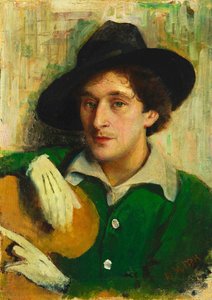
1887 - 1985 , Valgevene


Püsige kursis viimaste kunstiuudistega, eksklusiivsete pakkumistega ja sisustamisideetega.
Kirjeldage meile oma projekti ja meie kunstieksperdid pakuvad teile 3 isikupärast kunstiettepanekut.
Laske meil koostada just teile mõeldud 3 valikut – tasuta!


 Eelvaade
 Saada
Saada Jaga
Jaga
 Teave teose kohta

 Laadi alla
 Sarnased teosed
 Röntgenuuring
 Slaidietendus
 Loe lähemalt







 Klaasivalik on saadaval ainult suuruses kuni 110 cm