x

 Preview
 Telli trükis Tellimaks maali
 Saada
Saada
 Teave teose kohta
 Lisa lemmikutesse
 Laadi alla
 Sarnased teosed
 Röntgenuuring
 Slaidietendus
Ostke kõrglahutusel ja täiustatud digitaalne pilt, mis on oluliselt parem kui veebilehel näidatud eelvaade.
Iga fail on meie spetsialistide poolt hoolikalt ette valmistatud, kasutades kaasaegseid tööriistu ja professionaalset käsitsi retušeerimist. Tagame, et igal pildil on erakordne selgus, täpne värvitäpsus ja peen detail.
Lõplik fail saadetakse e-posti teel 72 tunni jooksul, olles optimeeritud koheseks kasutamiseks professionaalsetes, toimetuslikes ja trüki keskkondades. See on sama kvaliteet, mida usaldavad tipptasemel disainistuudiod, kirjastused ja galeriid.
Laadi alla kõrge resolutsiooniga fail isiklikuks vaatamiseks, trükkimiseks ja loomingulisteks projektideks.
Valides Most-Famous-Paintings.com, ei saa sa lihtsalt pilti – saad professionaalselt parandatud digitaalse teose, mida on valmistatud täpsusega ja mis on toetatud rahuldamatusgarantiiga. Siin on kõik, mis sinu tellimusega automaatselt kaasneb:

Teie kõrge resolutsiooniga digitaalne pildifail saadetakse teile e-posti 72 tunni jooksul pärast tellimist – kohe kasutamiseks valmis.

Teie teos on professionaalselt optimeeritud arenenud tehisintellekti tööriistade ja käsitsi redigeerimise abil, tagades maksimaalse detailitaseme, selguse ja värvitäpsuse.

Kas kustutasid faili kogukalu unustamisel või kustutamisel? Puudub mure – saad selle uuesti igal ajal ilma lisatasuta.

Nautige oma teoseid koheselt ilma tolli-, maksude või tarnimaskuludeta – digiletchargused on alati maksuvabadud.

Me tagame, et teie digitaalne pilt kajastaks originaali värve professionaalsete tööriistade ja värvihalduse abil võimalikult täpselt.

Kui te ei ole oma digipildiga rahul, parandame seda või tagastame 100% summast 60 päeva jooksul – küsimusi ei esita.

Ei ole rahul? Saate täielise tagastaja 60 päeva jooksul pärast digitaalse faili kättesaamist – küsimata.

Osta 3 pilti, säästa 10% - Osta 5, säästa 15% - Osta 10+, säästa 20%. Sobib suurepäraselt loomingulisteks projektideks, galeriideks ja agentuurideks.
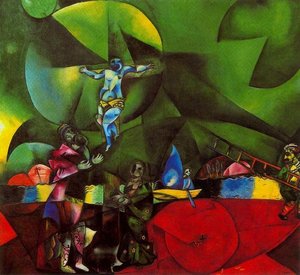
Marcel Duchamp’s “Sonata,” painted in 1911, is not merely a depiction of a musical performance; it’s a carefully constructed disruption – a visual puzzle that embodies the revolutionary spirit driving early 20th-century art. This watercolor, rendered in predominantly brown and white with strategic yellow accents, captures a scene brimming with potential narrative, yet deliberately fractured through the lens of Cubism. The image portrays a woman seated at a piano, surrounded by onlookers, a violinist poised nearby – a tableau ripe with artistic and social significance. However, Duchamp doesn’t offer a straightforward representation; instead, he dismantles the subject into geometric forms, presenting multiple perspectives simultaneously. This technique, characteristic of his exploration of perception and reality, anticipates the radical shifts in art that would define the Dada movement.
Created during a pivotal moment in artistic history – just before World War I – “Sonata” reflects Duchamp’s engagement with Cubism. Unlike the Impressionists who sought to capture fleeting moments of light, Cubism aimed to represent objects from multiple viewpoints at once, challenging traditional notions of perspective and representation. Duchamp's use of fragmented forms—the woman’s body rendered as overlapping planes, the instruments abstracted into geometric shapes—forces the viewer to actively participate in constructing meaning. The deliberate ambiguity invites speculation about the relationships between the figures, their motivations, and the nature of the performance itself. This rejection of a single, unified viewpoint is a key element of Duchamp's artistic philosophy: questioning established conventions and exploring alternative ways of seeing.
The scene depicted in “Sonata” carries layers of symbolic weight. The act of playing music itself has long been associated with emotion, contemplation, and transcendence. The presence of a violinist suggests harmony and collaboration, while the audience represents judgment and appreciation – elements central to the artistic process. Duchamp’s Cubist treatment subtly undermines these traditional associations, suggesting that art is not simply about representing reality but about actively constructing it. The color palette—earthy browns and whites punctuated by vibrant yellows—further enhances this sense of tension between order and chaos, stability and disruption. The yellow accents could represent the spotlight illuminating the performer, or perhaps a critical eye observing the scene.
"Sonata" possesses a haunting beauty born from its deliberate incompleteness. The fragmented composition evokes a sense of unease and invites contemplation about the nature of perception, representation, and artistic value. Duchamp’s work paved the way for Conceptual Art, where the idea behind the artwork often takes precedence over its aesthetic qualities. This piece remains a powerful example of Duchamp's intellectual rigor and his willingness to challenge the very foundations of art. A hand-painted reproduction offers an opportunity to experience this seminal work firsthand, appreciating the intricate details and the profound questions it raises about our relationship with art and the world around us.


1887 - 1968 , Prantsusmaa


Püsige kursis viimaste kunstiuudistega, eksklusiivsete pakkumistega ja sisustamisideetega.
Kirjeldage meile oma projekti ja meie kunstieksperdid pakuvad teile 3 isikupärast kunstiettepanekut.
Laske meil koostada just teile mõeldud 3 valikut – tasuta!


 Jaga
Jaga


 Loe lähemalt