


x

Muuseumikvaliteediga giclée- või kangasprint kiire tootmisega ja paindlikud viimistlusvõimalused. ( Osta käsitsi maalitud maal Osta pilt)





























Vali meie eelmääratud suurused, mis vastavad teose algupärastele proportsioonidele.

Saate sisestada oma mõõdud, et need sobiks konkreetse raami või ruumi sisse. Kui valitud suurus ei vasta originaalteose proportsioonidele, lõigame teose ära või laiendame pilti peegeldatud või ühtlase servaga. Enne tootmisprotsessi algust saadetakse Teie kinnitamiseks digitaalne näidis.
Palun märka, et ekraanil kuvatav eelvaade ei kajasta tegelikku lõigamist või laiendamist. Ainult näidis kujutab täpselt lõplikku kompositsiooni.
Kuigi erimõõdu on saadaval, soovitame originaaproportsioonide säilitamiseks valida mõõt ette määratud nimekirjast.
Ülemaailmne tarne () 2 nädala jooksul, tavalise 4/5 nädala asemel. (21 august)


Earth and Green
Reproduktsiooni suurus
Mark Rothko’s “Earth and Green,” painted in 1955, stands as a cornerstone of Color Field Painting—a movement that fundamentally challenged conventional artistic representation. Born Markus Yakovlevich Rothkowitz in Dvinsk, Latvia, in 1903, Rothko carried within him from the outset a palpable sense of displacement stemming from his Jewish heritage and the turbulent political landscape of Eastern Europe during his formative years. This early exposure to hardship instilled an unwavering empathy for human suffering—a theme that would permeate his entire artistic oeuvre.
The painting itself is deceptively simple: two rectangular blocks of color – a deep maroon red on the left and a vibrant lime green on the right – juxtaposed against a hazy bluish background. Rothko meticulously crafted this piece using oil paint, applying thin layers of pigment to create subtle gradations and blending edges seamlessly. This technique—characterized by its deliberate avoidance of brushstrokes—was central to his artistic vision; he sought to transcend literal depiction and tap into primal emotions.
Historically, “Earth and Green” emerged during the post-war period, coinciding with a burgeoning interest in abstraction as a means of expressing psychological states. Rothko’s intention wasn't merely to create aesthetically pleasing images but rather to provoke contemplation and evoke feelings of awe and serenity. The color palette—chosen specifically for its tonal harmony—was deliberately selected to foster an immersive experience for the viewer, encouraging them to lose themselves in the expanse of color.
Symbolically, “Earth and Green” speaks to themes of balance and renewal. The red square represents passion and energy, while the green square embodies tranquility and growth – a duality that mirrors the complexities of human existence. Rothko’s masterful use of color contributes significantly to this symbolic resonance, conveying emotions beyond words.
Today, “Earth and Green” resides in the Museum Ludwig in Cologne, Germany—a testament to its enduring artistic merit. Its presence within a prestigious public art gallery underscores its significance as an exemplar of abstract expressionism and continues to inspire artists and collectors alike. Reproductions crafted with meticulous attention to detail offer a captivating glimpse into Rothko’s groundbreaking approach to painting.
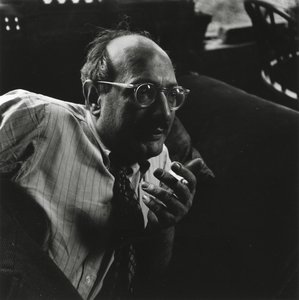
1903 - 1970 , Läti

Explore the profound emotional depth of Color Field painting. Discover the history of mid-century abstraction, from Rothko to Newman, and learn how pure color transforms the viewer's experience through our expert art history guide.

Explore the profound history and emotional depth of Color Field painting. From Mark Rothko to Barnett Newman, discover how pure color redefined modern art through our expert-led guide for students and collectors alike.

Explore the profound history and emotional depth of Abstract Expressionism. From Jackson Pollock to Mark Rothko, master the nuances of the New York School through our expert art history guide. Discover museum-quality hand-painted reproductions for your collection.
Explore the profound emotional depth of Lyrical Abstraction. Discover how masters like Raymond Parker used color and form to bridge Impressionism and Abstract Expressionism. Learn about this pivotal movement through our expert-led art history guide.


Püsige kursis viimaste kunstiuudistega, eksklusiivsete pakkumistega ja sisustamisideetega.
Kirjeldage meile oma projekti ja meie kunstieksperdid pakuvad teile 3 isikupärast kunstiettepanekut.
Laske meil koostada just teile mõeldud 3 valikut – tasuta!


 Eelvaade
 Saada
Saada Jaga
Jaga
 Teave teose kohta

 Laadi alla
 Sarnased teosed
 Röntgenuuring
 Slaidietendus
 Loe lähemalt







 Klaasivalik on saadaval ainult suuruses kuni 110 cm


