x

Muuseumikvaliteediga giclée- või kangasprint kiire tootmisega ja paindlikud viimistlusvõimalused. ( Osta käsitsi maalitud maal Osta pilt)
Vali meie eelmääratud suurused, mis vastavad teose algupärastele proportsioonidele.

Saate sisestada oma mõõdud, et need sobiks konkreetse raami või ruumi sisse. Kui valitud suurus ei vasta originaalteose proportsioonidele, lõigame teose ära või laiendame pilti peegeldatud või ühtlase servaga. Enne tootmisprotsessi algust saadetakse Teie kinnitamiseks digitaalne näidis.
Palun märka, et ekraanil kuvatav eelvaade ei kajasta tegelikku lõigamist või laiendamist. Ainult näidis kujutab täpselt lõplikku kompositsiooni.
Kuigi erimõõdu on saadaval, soovitame originaaproportsioonide säilitamiseks valida mõõt ette määratud nimekirjast.
Ülemaailmne tarne () 2 nädala jooksul, tavalise 4/5 nädala asemel. (18 august)


Synthetic Arrangement
Reproduktsiooni suurus
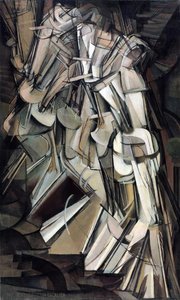
Morris Kantor's "Synthetic Arrangement," painted in 1922, is a striking example of early Cubist experimentation within the American art scene. Measuring an impressive 197 x 141 cm, this large-scale oil on canvas presents a complex interplay of geometric shapes and a warm color palette, creating a visually dynamic and intellectually stimulating composition.
"Synthetic Arrangement" exemplifies the core tenets of Cubism. Rather than depicting objects from a single viewpoint, Kantor fragments forms and reassembles them across multiple perspectives on a single plane. The artwork centers around an abstracted human figure, seemingly emerging from or interwoven with a network of angular shapes – triangles, rectangles, and more rounded, overlapping forms. This fragmentation isn't chaotic; it’s deliberate, suggesting a process of deconstruction and reconstruction. The style is heavily influenced by European Cubist pioneers like Pablo Picasso and Georges Braque, but Kantor brings his own distinct sensibility to the movement.
Kantor’s technique involves thickly applied oil paint, creating a noticeable impasto effect that adds texture and visual interest. The brushstrokes are evident, contributing to the sense of dynamism and layered depth within the composition. The lighting is dramatic, with strong highlights emphasizing the edges of the shapes and casting deep shadows that define the forms. This creates a flattened perspective; traditional three-dimensionality is eschewed in favor of overlapping planes and contrasting values. The vertical orientation of the canvas emphasizes an upward thrust, potentially symbolizing aspiration or transformation.
Created in 1922, "Synthetic Arrangement" reflects a period of significant artistic innovation following World War I. Cubism emerged as a reaction against traditional representational art, seeking to capture the essence of objects rather than their literal appearance. The fragmented nature of the composition can be interpreted as symbolic of disruption or transformation – perhaps reflecting the societal upheaval and anxieties of the post-war era. While Kantor doesn't offer explicit narrative elements, the overall effect is one of energy, tension, and a deliberate rejection of representational accuracy in favor of formal exploration.
Despite its abstract nature, "Synthetic Arrangement" evokes a powerful emotional response. The warm color palette—dominated by reds, oranges, and yellows—creates a sense of vibrancy and warmth, while the sharp lines and fragmented forms generate a feeling of tension and dynamism. The abstracted figure invites contemplation – is it in motion, caught in a moment of action, or engaged in quiet introspection? Ultimately, Kantor’s work challenges viewers to engage with art on a purely formal level, appreciating the interplay of shapes, colors, and textures while simultaneously prompting deeper reflections on themes of transformation and perception.


1896 - 1974

Explore the revolutionary world of Cubism. Discover how masters Pablo Picasso and Georges Braque dismantled reality through geometric abstraction to redefine modern art history.

Explore the profound impact of Minimalism and Geometric Abstraction. From Mondrian to Malevich, discover how stripping art to its essential forms revolutionized modern aesthetics through our expert-led historical guide.


Püsige kursis viimaste kunstiuudistega, eksklusiivsete pakkumistega ja sisustamisideetega.
Kirjeldage meile oma projekti ja meie kunstieksperdid pakuvad teile 3 isikupärast kunstiettepanekut.
Laske meil koostada just teile mõeldud 3 valikut – tasuta!


 Eelvaade
 Saada
Saada Jaga
Jaga
 Teave teose kohta

 Laadi alla
 Sarnased teosed
 Röntgenuuring
 Slaidietendus


 Loe lähemalt




































 Klaasivalik on saadaval ainult suuruses kuni 110 cm