


x


 Preview
 Tellimaks maali Osta digipilt
 Saada
Saada
 Teave teose kohta
 Lisa lemmikutesse
 Laadi alla
 Sarnased teosed
 Röntgenuuring
 Slaidietendus
 Acrylic On CanvasWallArtRoerich Romanticism
 193119th Century
 76.0 x 117.0 cm
Muuseumikvaliteediga giclée- või kangasprint kiire tootmisega ja paindlikud viimistlusvõimalused.





























Vali meie eelmääratud suurused, mis vastavad teose algupärastele proportsioonidele.

Saate sisestada oma mõõdud, et need sobiks konkreetse raami või ruumi sisse. Kui valitud suurus ei vasta originaalteose proportsioonidele, lõigame teose ära või laiendame pilti peegeldatud või ühtlase servaga. Enne tootmisprotsessi algust saadetakse Teie kinnitamiseks digitaalne näidis.
Palun märka, et ekraanil kuvatav eelvaade ei kajasta tegelikku lõigamist või laiendamist. Ainult näidis kujutab täpselt lõplikku kompositsiooni.
Kuigi erimõõdu on saadaval, soovitame originaaproportsioonide säilitamiseks valida mõõt ette määratud nimekirjast.
Ülemaailmne tarne () 2 nädala jooksul, tavalise 4/5 nädala asemel. (26 juuli)


Zarathustra
Reproduktsiooni suurus
Nicholas Roemerich's "Zarathustra," completed in 1931, is more than a depiction of a solitary figure on a mountaintop; it’s an embodiment of the artist’s profound spiritual and philosophical leanings. This evocative painting captures a moment of intense introspection, reflecting Roerich’s lifelong fascination with Eastern mysticism, particularly Zoroastrianism – hence the title, referencing Nietzsche's iconic character who sought wisdom through solitary contemplation. The artwork immediately draws the viewer into a scene of serene grandeur, dominated by the dramatic interplay of light and shadow that defines Roerich’s distinctive style.
“Zarathustra” is deeply rooted in Roerich's belief system, which blended elements of Zoroastrianism, Hinduism, and Buddhism. The solitary figure, holding a staff – a traditional symbol of leadership and wisdom – represents humanity’s quest for self-knowledge and connection with the divine. The mountainous landscape itself symbolizes challenges overcome and spiritual ascent. Scattered figures in the background are interpreted as representing those who have already embarked on this journey, offering silent encouragement to the viewer. Roerich was also deeply involved in exploring ancient cultures and their symbolism, often incorporating these elements into his work.
Created in 1931, “Zarathustra” reflects the broader artistic trends of the early 20th century. Roerich’s work aligns with the Symbolist movement's emphasis on subjective experience and spiritual themes, while also anticipating aspects of Surrealism’s exploration of the subconscious. Roerich was a prolific traveler and explorer, spending considerable time in Central Asia and Tibet, which profoundly influenced his artistic vision. His dedication to preserving cultural heritage and promoting peace through art is reflected in the painting's powerful message.
"Zarathustra" transcends its historical context, offering a timeless appeal that resonates with viewers today. Its serene composition, evocative color palette, and profound symbolism make it an ideal addition to any interior space. This hand-painted reproduction captures the essence of Roerich’s masterpiece, bringing a touch of contemplative beauty and spiritual depth to your home or office. The size (76 x 117 cm) makes it suitable for a variety of settings, from living rooms to study spaces.


1874 - 1947 , Venemaa

Avastage Metropolitani muuseumi 25 kõige ikoonilisemat kunstiteost! Sukeldume maalikunstnike maailma, impressionismi võlu ja ajalooliste värvikombinatsioonide sisse. Leidke täiuslik seina kaunistus Most-Famous-Paintings'is – kvaliteetsed reproduktsioonid ja sisustus ideed. Avastage kogu kollektsioon online!
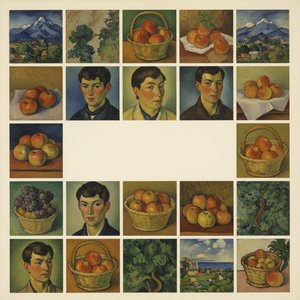
Avastage Paul Cézanne 25 kõige ikoonilisemat teost! Sukeldume postimpressionismi maailma, värviliste still life'ide ja Mont Sainte-Victoire maalide lugudesse. Leidke inspiratsiooni interjööri disainiks Most-Famous-Paintings.com-is. Vaadake maali reproduktsioone!
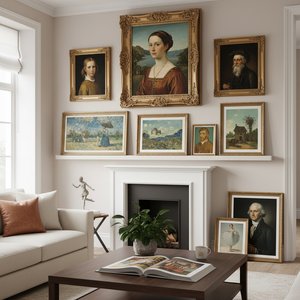
Avastage Rahvusgalerii Washingtoni 25 parimat teost! Sukeldu Cézanne'i, Matisse'i ja Picasso maalidest inspireeritud kunstiajalukku. Leidke täiuslik seinakaunistus või luksuslik reproduktsioon kodusse Most-Famous-Paintings.com-is. Vaadake kogu kollektsiooni online!

Explore 25 iconic Sir Alfred Munnings paintings! Discover the beauty of British Impressionism, equine art & rural England. Find museum-quality reproductions and elevate your home decor with Most-Famous-Paintings. Explore the full collection online.
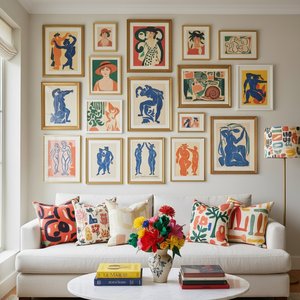
Avastage Henri Matisse 25 ikoonilist teost! Sukelduge värviküllase Fauvismi maailma, modernse kunsti ajaloosse ja inspireerige oma interjööri. Kvaliteetsed kunstireprodutsioonid Most-Famous-Paintings.com-is. Avasta kogu kollektsioon online!


Püsige kursis viimaste kunstiuudistega, eksklusiivsete pakkumistega ja sisustamisideetega.
Kirjeldage meile oma projekti ja meie kunstieksperdid pakuvad teile 3 isikupärast kunstiettepanekut.
Laske meil koostada just teile mõeldud 3 valikut – tasuta!


 Jaga
Jaga

 Loe lähemalt







 Klaasivalik on saadaval ainult suuruses kuni 110 cm


