x

 OilWallArtPost-Impressionism
 188219th Century
 65.0 x 50.0 cm
 Musée d'Orsay
Meie kunstnike poolt tellimusel valmistatud käsitsi maalitud õli-kainaste teos teie soovitud suuruses ja raamis. ( Osta print Osta pilt)





























Vali meie eelmääratud suurused, mis vastavad teose algupärastele proportsioonidele.

Sa võite sisestada oma mõõtmed konkreetse raami või ruumi sobivuse tagamiseks. Kui teie valitud suurus ei vasta originaalpildi proportsioonidele, siis kärvime kunstiteost või laiendame maali täiendavate käsitsi maalitud elementidega. Enne tootmise algust saadetakse teile heakskiitmiseks digitaalne eelvaade.
Palun pidage meeles, et ekraanil kuvatav eelvaade ei kajasta tegelikku kärpimist või laiendamist. Ainult eelvaade näitab täpselt lõplikku kompositsiooni.
Kuigi on saadaval kohandatud suurused, soovitame originaalproportsioonide säilimiseks valida mõõdud eelmääratletud nimekirjast.
Maailmline tarne 3–4 nädala jooksul tavalise 5 nädala asemel. (21 august). Kvaliteedis kompromisse ei tehta.


Self-Portrait
Reproduktsiooni suurus
Paul Cézanne, born in Aix-en-Provence in 1839, stands as a monumental figure bridging the gap between Impressionism and Cubism. His artistic journey wasn't one of immediate acclaim; it was a slow burn of exploration fueled by an unwavering dedication to capturing the essence of visual experience—a pursuit that would ultimately redefine modern art.
Initially steered towards law by his father’s ambitions, Cézanne possessed an innate restlessness and a profound conviction in the transformative power of artistic expression. He decisively abandoned legal studies to embrace painting, a decision that irrevocably shaped his life and cemented his place as one of the most influential artists of his era.
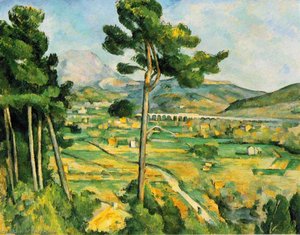
“Self-Portrait,” painted in 1882, exemplifies Cézanne’s distinctive style – a masterful blend of Post-Impressionism and proto-Cubism. Measuring 65 x 50 cm and executed in oil on canvas, the painting is more than just a likeness; it's a meticulously crafted distillation of Cézanne’s artistic philosophy.
Cézanne’s brushstrokes are characterized by repetitive, exploratory movements that build up to form complex fields of color. This technique—often described as “impasto”—creates a palpable sense of depth and texture, inviting the viewer to engage with the surface materiality of the artwork. The artist deliberately disrupts traditional perspective, flattening space and emphasizing geometric forms – anticipating the revolutionary aesthetic principles of Cubism.
The composition is equally striking. Cézanne depicts himself seated before a window, bathed in diffused light—a deliberate choice reflecting his fascination with capturing everyday life and its surroundings. The inclusion of two chairs and a red door adds visual interest and reinforces Cézanne’s commitment to portraying the tangible realities of domestic space.
Cézanne's work initially faced considerable resistance from contemporary critics who deemed it incomprehensible and lacking in aesthetic merit. Figures like Camille Pissarro championed his vision, recognizing Cézanne’s unwavering pursuit of artistic truth despite the prevailing skepticism.
However, Ambroise Vollard, a discerning art dealer, played a crucial role in elevating Cézanne's reputation by organizing his first solo exhibition in Paris in 1895. This event garnered significant attention and sparked a broader appreciation for Cézanne’s artistic genius—a testament to the enduring power of innovation and perseverance.
Cézanne's influence on subsequent generations of artists is undeniable. Henri Matisse and Pablo Picasso acknowledged him as “the father of us all,” recognizing his pioneering use of color and structure as a catalyst for artistic transformation. His groundbreaking approach paved the way for movements like Cubism, which dismantled traditional pictorial conventions and embraced fragmented perspectives—forever altering the landscape of modern art.
At Most-Famous-Paintings.com, we strive to honor Cézanne’s legacy by offering meticulously crafted oil painting reproductions that capture the profound beauty and intellectual depth of “Self-Portrait.” Our skilled artisans ensure that each reproduction faithfully conveys the original artwork's essence—a treasured addition for collectors and a source of inspiration for interior designers alike.


1839 - 1906 , Prantsusmaa

Explore the transformative era of Post-Impressionism. Discover how masters like Van Gogh moved beyond light to embrace emotion, structure, and vibrant color, redefining modern art history through expressive brushwork and symbolic depth.


Püsige kursis viimaste kunstiuudistega, eksklusiivsete pakkumistega ja sisustamisideetega.
Kirjeldage meile oma projekti ja meie kunstieksperdid pakuvad teile 3 isikupärast kunstiettepanekut.
Laske meil koostada just teile mõeldud 3 valikut – tasuta!


 Eelvaade
 Saada
Saada Jaga
Jaga
 Teave teose kohta

 Laadi alla
 Sarnased teosed
 Röntgenuuring
 Slaidietendus
 Loe lähemalt







 Klaasivalik on saadaval ainult suuruses kuni 110 cm