x

Muuseumikvaliteediga giclée- või kangasprint kiire tootmisega ja paindlikud viimistlusvõimalused. ( Osta käsitsi maalitud maal Osta pilt)





























Vali meie eelmääratud suurused, mis vastavad teose algupärastele proportsioonidele.

Saate sisestada oma mõõdud, et need sobiks konkreetse raami või ruumi sisse. Kui valitud suurus ei vasta originaalteose proportsioonidele, lõigame teose ära või laiendame pilti peegeldatud või ühtlase servaga. Enne tootmisprotsessi algust saadetakse Teie kinnitamiseks digitaalne näidis.
Palun märka, et ekraanil kuvatav eelvaade ei kajasta tegelikku lõigamist või laiendamist. Ainult näidis kujutab täpselt lõplikku kompositsiooni.
Kuigi erimõõdu on saadaval, soovitame originaaproportsioonide säilitamiseks valida mõõt ette määratud nimekirjast.
Ülemaailmne tarne () 2 nädala jooksul, tavalise 4/5 nädala asemel. (15 august)


untitled (692)
Reproduktsiooni suurus
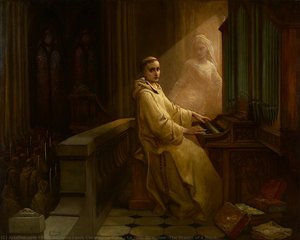
Gustave Doré's "Untitled (692)" stands as a testament to the enduring power of visual storytelling and the meticulous craftsmanship characteristic of 19th-century engraving. More than just an image, it’s a carefully constructed tableau designed to convey profound spiritual contemplation—a reflection of Doré’s own artistic sensibilities and his fascination with biblical narratives.
The artwork depicts a dramatic scene from the Bible, specifically referencing ritualistic practices surrounding imprisonment. Inspired by Doré's engraving of Newgate Prison – published in 1872 – it captures the atmosphere of confinement and penitence with remarkable accuracy. This visual reference speaks to broader anxieties about morality and justice prevalent during Doré’s era, aligning him firmly within the Romantic tradition’s preoccupation with weighty themes.
Doré's masterful use of engraving—a technique involving scratching lines into a metal plate followed by ink application and pressing onto paper—allowed for unparalleled detail and tonal gradation. The resulting monochrome print possesses an almost sculptural quality, achieved through the deliberate layering of hatching and cross-hatching to simulate texture and depth. This meticulous approach underscores Doré’s commitment to realism while simultaneously elevating the image beyond mere depiction.
The artist skillfully employed fine lines extensively to define contours and textures—clothing folds ripple with subtle drapery, stone surfaces bear the marks of weathered antiquity—creating a palpable sense of presence. Hatching and cross-hatching techniques were paramount in establishing tonal variations, effectively conveying the interplay of light and shadow and bolstering the image’s dramatic impact.
The pyramidal structure dominates the composition, directing the viewer's gaze upwards toward a group of figures positioned at the apex of stairs. Careful arrangement of figures—gesturing hands, solemn expressions—contributes to the overall sense of drama and conveys an emotional intensity. Furthermore, the inclusion of dogs serves as symbolic representation of loyalty and guardianship, reinforcing the moral dimension of the scene.
This compositional strategy harkens back to classical architectural principles while simultaneously mirroring the spiritual hierarchy inherent in biblical iconography. The careful positioning of elements—the staircase itself—creates a visual pathway that guides the eye towards the central figures, emphasizing their importance and fostering contemplation.
"Untitled (692)" resides firmly within the Romantic movement’s embrace of dramatic emotion and psychological exploration. However, it also reflects the anxieties surrounding social reform and moral responsibility characteristic of Victorian England—a period marked by intense scrutiny of societal ills and a fervent desire for spiritual renewal.
The depiction of imprisonment symbolizes not merely physical confinement but also spiritual subjugation—a metaphor for confronting inner demons and striving for righteousness. Doré’s masterful rendering captures the solemnity of faith and underscores the enduring relevance of biblical narratives as vehicles for moral instruction.
Ultimately, “Untitled (692)” transcends its formal elements to evoke a profound sense of melancholy and reverence. Doré’s ability to convey complex psychological states through visual means exemplifies the Romantic ideal—a testament to art's capacity to inspire contemplation and provoke emotional engagement.
This engraving continues to resonate with audiences today, serving as an enduring symbol of Victorian moral sensibility and a captivating illustration of Doré’s unparalleled artistic skill. Consider commissioning a stunning reproduction from Most-Famous-Paintings – Most-Famous-Paintings offers exceptional prints crafted with archival inks on premium canvas, ensuring that this iconic artwork retains its beauty and nuance for generations to come.


1832 - 1883 , Prantsusmaa

Explore the captivating world of Gustave Doré, master of Romantic realism & iconic illustrator. Discover his dramatic wood engravings, paintings, and sculptures – a legacy shaping art history. Learn more at Most-Famous-Paintings.

Explore the life & art of Sir James Jebusa Shannon, a leading Victorian portrait painter. Discover his elegant style, technical mastery, and lasting influence on British art. Shop high-quality reproductions at Most-Famous-Paintings.

Explore the captivating world of Victorian Naturalism & the Pre-Raphaelite movement! Discover Rossetti, Burne-Jones & more iconic artists. Expert analysis & high-quality reproductions at Most-Famous-Paintings.
Explore the captivating world of Gustave Moreau, the leading Symbolist painter. Discover his iconic masterpieces, influences, and lasting legacy. Expert analysis for collectors & art enthusiasts.

Discover the captivating world of Thomas Edwin Mostyn (1864-1930), a Victorian artist renowned for his romantic garden scenes and evocative portraits. Explore his artistic journey, legacy & find high-quality reproductions at Most-Famous-Paintings.


Püsige kursis viimaste kunstiuudistega, eksklusiivsete pakkumistega ja sisustamisideetega.
Kirjeldage meile oma projekti ja meie kunstieksperdid pakuvad teile 3 isikupärast kunstiettepanekut.
Laske meil koostada just teile mõeldud 3 valikut – tasuta!


 Eelvaade
 Saada
Saada Jaga
Jaga
 Teave teose kohta

 Laadi alla
 Sarnased teosed
 Röntgenuuring
 Slaidietendus
 Loe lähemalt







 Klaasivalik on saadaval ainult suuruses kuni 110 cm