


x

 Mixed MediaWallArtCubist
 1920Modern
 42.0 x 49.0 cm
 Lenbachhaus
Ostke kõrglahutusel ja täiustatud digitaalne pilt, mis on oluliselt parem kui veebilehel näidatud eelvaade.
Iga fail on meie spetsialistide poolt hoolikalt ette valmistatud, kasutades kaasaegseid tööriistu ja professionaalset käsitsi retušeerimist. Tagame, et igal pildil on erakordne selgus, täpne värvitäpsus ja peen detail.
Lõplik fail saadetakse e-posti teel 72 tunni jooksul, olles optimeeritud koheseks kasutamiseks professionaalsetes, toimetuslikes ja trüki keskkondades. See on sama kvaliteet, mida usaldavad tipptasemel disainistuudiod, kirjastused ja galeriid.
Laadi alla kõrge resolutsiooniga fail isiklikuks vaatamiseks, trükkimiseks ja loomingulisteks projektideks. ( Osta print Osta käsitsi maalitud maal)
Valides Most-Famous-Paintings.com, ei saa sa lihtsalt pilti – saad professionaalselt parandatud digitaalse teose, mida on valmistatud täpsusega ja mis on toetatud rahuldamatusgarantiiga. Siin on kõik, mis sinu tellimusega automaatselt kaasneb:

Teie kõrge resolutsiooniga digitaalne pildifail saadetakse teile e-posti 72 tunni jooksul pärast tellimist – kohe kasutamiseks valmis.

Teie teos on professionaalselt optimeeritud arenenud tehisintellekti tööriistade ja käsitsi redigeerimise abil, tagades maksimaalse detailitaseme, selguse ja värvitäpsuse.

Kas kustutasid faili kogukalu unustamisel või kustutamisel? Puudub mure – saad selle uuesti igal ajal ilma lisatasuta.

Nautige oma teoseid koheselt ilma tolli-, maksude või tarnimaskuludeta – digiletchargused on alati maksuvabadud.

Me tagame, et teie digitaalne pilt kajastaks originaali värve professionaalsete tööriistade ja värvihalduse abil võimalikult täpselt.

Kui te ei ole oma digipildiga rahul, parandame seda või tagastame 100% summast 60 päeva jooksul – küsimusi ei esita.

Ei ole rahul? Saate täielise tagastaja 60 päeva jooksul pärast digitaalse faili kättesaamist – küsimata.

Osta 3 pilti, säästa 10% - Osta 5, säästa 15% - Osta 10+, säästa 20%. Sobib suurepäraselt loomingulisteks projektideks, galeriideks ja agentuurideks.
In the quiet corners of the Lenbachhaus in Munich, Paul Klee’s “Rose Garden” (1920) awaits, offering a visual experience that transcends the boundaries of mere painting. To gaze upon this masterpiece is to step into a world where the organic and the architectural dance in perfect, rhythmic unison. Created during a pivotal moment in Klee's life—shortly after his service in the First World War and around the time he joined the legendary Bauhaus faculty—the work serves as a profound exploration of form and color. It is not simply a depiction of flora, but a carefully constructed symphony where every triangle and rectangle acts as a musical note, building toward a crescendo of visual delight.
The painting immediately captivates with its vibrant, warm palette. A sea of reds, oranges, and soft pinks dominates the canvas, creating an atmosphere that feels both sun-drenched and intimately tender. Yet, Klee masterfully interweaves these warmth-driven tones with cooler purples, whites, and subtle greys, preventing the composition from becoming overwhelming. This delicate balance of temperature creates a sense of depth and movement, as if the garden itself is breathing through the layers of color.
Klee’s technique in “Rose Garden” defies the conventional perspective we often expect from landscape art. Instead of a literal representation of a garden, he presents a fractured, Cubist-inspired landscape composed of geometric shapes. Sharp-edged rectangles and triangles overlap and intersect, creating a structural complexity that suggests both a map-like cityscape and a lush, botanical arrangement. This interplay between the rigid and the fluid is where the true magic of the piece resides; while the sharp lines provide an architectural skeleton, the soft, circular motifs—resembling the roses themselves—soften the edges, injecting a sense of organic spontaneity into the geometric grid.
The artist likely employed a rich mixed-media approach, utilizing oil, watercolor, and perhaps even pencil on paper or cardboard. This layering technique lends the surface a tactile, textured quality that invites closer inspection. For the discerning collector or interior designer, this texture provides a sophisticated depth that allows the artwork to transform depending on the lighting of a room. The way the colors appear in distinct, unblended patches enhances the decorative, almost mosaic-like effect, making it an ideal centerpiece for spaces that value modern abstraction and rhythmic design.
Beyond its formal brilliance, “Rose Garden” resonates with a deep, symbolic soul. Klee, a trained violinist, often approached his canvases as if composing music, and one can hear the melody in the way the shapes are arranged. The roses, scattered like bright blossoms across a structured terrain, serve as symbols of eternal presence and beauty amidst the chaos of life. There is a whimsical, almost playful energy to the work, yet it carries an underlying layer of contemplative stillness. It captures that fleeting moment where nature’s wildness meets human order.
For those seeking to bring a piece of art history into their personal sanctuary, this reproduction offers more than just aesthetic beauty; it offers an emotional anchor. Whether placed in a contemporary minimalist setting or a classic, richly textured study, “Rose Garden” provides a window into the visionary mind of Paul Klee. It is a testament to the power of abstraction to capture the very essence of life—not through what we see with our eyes, but through what we feel within our hearts.

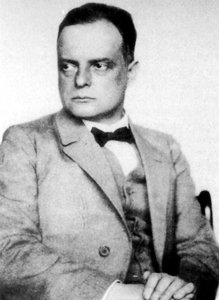
1879 - 1940 , Šveits


Püsige kursis viimaste kunstiuudistega, eksklusiivsete pakkumistega ja sisustamisideetega.
Kirjeldage meile oma projekti ja meie kunstieksperdid pakuvad teile 3 isikupärast kunstiettepanekut.
Laske meil koostada just teile mõeldud 3 valikut – tasuta!


 Eelvaade
 Saada
Saada Jaga
Jaga
 Teave teose kohta

 Laadi alla
 Sarnased teosed
 Röntgenuuring
 Slaidietendus
 Loe lähemalt


