x

Muuseumikvaliteediga giclée- või kangasprint kiire tootmisega ja paindlikud viimistlusvõimalused. ( Osta käsitsi maalitud maal Osta pilt)





























Vali meie eelmääratud suurused, mis vastavad teose algupärastele proportsioonidele.

Saate sisestada oma mõõdud, et need sobiks konkreetse raami või ruumi sisse. Kui valitud suurus ei vasta originaalteose proportsioonidele, lõigame teose ära või laiendame pilti peegeldatud või ühtlase servaga. Enne tootmisprotsessi algust saadetakse Teie kinnitamiseks digitaalne näidis.
Palun märka, et ekraanil kuvatav eelvaade ei kajasta tegelikku lõigamist või laiendamist. Ainult näidis kujutab täpselt lõplikku kompositsiooni.
Kuigi erimõõdu on saadaval, soovitame originaaproportsioonide säilitamiseks valida mõõt ette määratud nimekirjast.
Ülemaailmne tarne () 2 nädala jooksul, tavalise 4/5 nädala asemel. (21 august)


Landscape 13
Reproduktsiooni suurus
Pierre-Auguste Renoir’s Landscape 13 stands as a quintessential embodiment of Impressionism, capturing not merely what the eye sees but rather how light dances upon surfaces—a technique that revolutionized painting in the late nineteenth century. Executed around 1875-76 during Renoir's formative years within the Parisian avant-garde, this oil on canvas offers more than just a picturesque depiction of a field ablaze with scarlet poppies; it’s an invitation to experience the very essence of Impressionist philosophy.
Landscape 13 emerged during a period of significant artistic experimentation in France, fueled by breakthroughs in optics and scientific understanding of light. Impressionists like Renoir were profoundly influenced by Claude Monet’s pioneering explorations of plein air painting—working outdoors directly from nature—and Eugène Boudin's advocacy for capturing atmospheric conditions. These artists rejected the academic conventions of their time, prioritizing subjective perception over objective representation.
Renoir himself meticulously studied the works of Old Masters such as Rembrandt and Rubens, absorbing their mastery of chiaroscuro (the dramatic interplay between light and shadow) – a technique he subtly adapts to enrich his landscapes. This intellectual grounding informs his artistic vision, demonstrating a deep appreciation for both tradition and innovation.
Beyond its visual beauty, Landscape 13 resonates with symbolic meaning. The poppies—often associated with remembrance and passion—represent the ephemeral nature of life and beauty itself. Simultaneously, the verdant foliage symbolizes growth, renewal, and harmony with the natural world. Renoir’s aim wasn't simply to depict a landscape; he sought to evoke an emotional response in the viewer – capturing the serenity and joy inherent in experiencing the splendor of springtime.
At Most-Famous-Paintings.com, you can acquire a stunning handmade oil painting reproduction of Landscape 13, preserving this masterpiece’s captivating luminescence for generations to come. Explore similar works by Renoir—including Claude Monet Painting in his Garden at Arenteuil and Coco's Head—and discover the enduring legacy of Impressionism!

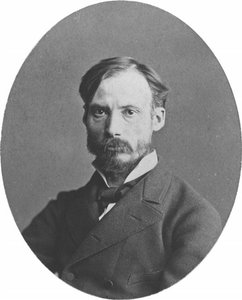
1841 - 1919 , Prantsusmaa


Püsige kursis viimaste kunstiuudistega, eksklusiivsete pakkumistega ja sisustamisideetega.
Kirjeldage meile oma projekti ja meie kunstieksperdid pakuvad teile 3 isikupärast kunstiettepanekut.
Laske meil koostada just teile mõeldud 3 valikut – tasuta!


 Eelvaade
 Saada
Saada Jaga
Jaga
 Teave teose kohta

 Laadi alla
 Sarnased teosed
 Röntgenuuring
 Slaidietendus
 Loe lähemalt







 Klaasivalik on saadaval ainult suuruses kuni 110 cm