x

Meie kunstnike poolt tellimusel valmistatud käsitsi maalitud õli-kainaste teos teie soovitud suuruses ja raamis. ( Osta print Osta pilt)





























Vali meie eelmääratud suurused, mis vastavad teose algupärastele proportsioonidele.

Sa võite sisestada oma mõõtmed konkreetse raami või ruumi sobivuse tagamiseks. Kui teie valitud suurus ei vasta originaalpildi proportsioonidele, siis kärvime kunstiteost või laiendame maali täiendavate käsitsi maalitud elementidega. Enne tootmise algust saadetakse teile heakskiitmiseks digitaalne eelvaade.
Palun pidage meeles, et ekraanil kuvatav eelvaade ei kajasta tegelikku kärpimist või laiendamist. Ainult eelvaade näitab täpselt lõplikku kompositsiooni.
Kuigi on saadaval kohandatud suurused, soovitame originaalproportsioonide säilimiseks valida mõõdud eelmääratletud nimekirjast.
Maailmline tarne 3–4 nädala jooksul tavalise 5 nädala asemel. (19 august). Kvaliteedis kompromisse ei tehta.


Lemons
Reproduktsiooni suurus
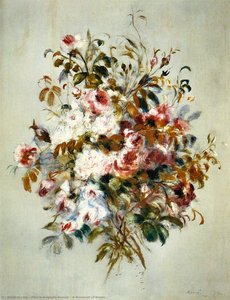
Pierre-Auguste Renoir’s “Lemons,” painted in 1912, stands as a quintessential embodiment of Impressionism—a movement that irrevocably altered the course of art history. More than just a depiction of fruit on a table; it's an exploration of fleeting moments and sensory experience, meticulously crafted by Renoir to capture the very essence of Parisian life during its Belle Époque.
Born in Limoges in 1841, Renoir’s artistic journey began amidst the burgeoning intellectual fervor of Paris. Influenced by artists like Monet and Sisley, he actively challenged the conventions of academic painting—which prioritized meticulous detail and idealized representations—favoring instead a more subjective approach to capturing visual impressions.
The Impressionist movement arose in response to the rigid rules imposed by the Salon jury, demanding that artists abandon traditional techniques and embrace spontaneity. Renoir’s “Lemons” reflects this spirit of rebellion, prioritizing atmosphere and color over precise rendering—a conscious decision to align with the broader artistic ethos of his era.
While seemingly unassuming, “Lemons” carries subtle symbolic weight. The lemon itself has long been associated with freshness, vitality, and optimism—qualities that Renoir skillfully conveys through his luminous palette. Furthermore, the arrangement of the lemons on the table serves as a visual metaphor for balance and harmony—a reflection of Renoir’s artistic sensibilities.
The stark white tablecloth provides a contrasting backdrop, emphasizing the vibrancy of the citrus fruits and highlighting their sculptural qualities. This careful composition underscores Renoir's intention to elevate an ordinary subject into something extraordinary – capturing not just what is seen but how it feels.
"Lemons" transcends its visual simplicity, resonating with viewers on a deeply emotional level. Renoir’s ability to evoke warmth and tranquility—a hallmark of Impressionist art—continues to inspire artists today. His innovative techniques paved the way for subsequent movements like Post-Impressionism and Fauvism, establishing him as one of the most influential painters of the late 19th century.
Reproductions of “Lemons” offer a captivating glimpse into Renoir’s artistic vision—allowing collectors and interior designers alike to experience the beauty and tranquility of this timeless masterpiece.


1841 - 1919 , Prantsusmaa

Avastage Pierre-Auguste Renoiri 25 parimat teost! Sukelduge impressioonismi maailma, nautides valgusrikkaid maale ja romantikat. Kunstiteosed kodu sisustuseks – eksklusiivne kollektsioon Most-Famous-Paintings.com'is. Vaata kohe!

Avasta impressionismi 10 legendaarset meistriteost! Monet, Renoir ja teised kunstnikud lõid ajatu kunsti. Tutvu lugudega, tehnikatega ning kaunista oma kodu Most-Famous-Paintings.comi kvaliteetsete reproduktsioonidega. Uuri kollektsiooni online!

Avastage 10 impressionismi suurmeisterteost! Claude Monet, Renoir ja teised kunstnikud muutsid maalikunsti. Loe nende lugusid ja leia täiuslik sisustusidee Most-Famous-Paintings.com-is. Kunstireprodutsioonid otse sinu koju!

Explore the captivating world of Pierre-Auguste Renoir! Discover his life, iconic Impressionist masterpieces & enduring legacy with our expert guide. High-quality reproductions available.

Journey into the heart of Impressionism! Explore 10 masterpieces by Monet, Renoir & Degas that revolutionized landscape art. Discover their stories, techniques & find museum-quality reproductions to elevate your home decor on Most-Famous-Paintings.com.


Püsige kursis viimaste kunstiuudistega, eksklusiivsete pakkumistega ja sisustamisideetega.
Kirjeldage meile oma projekti ja meie kunstieksperdid pakuvad teile 3 isikupärast kunstiettepanekut.
Laske meil koostada just teile mõeldud 3 valikut – tasuta!


 Eelvaade
 Saada
Saada Jaga
Jaga
 Teave teose kohta

 Laadi alla
 Sarnased teosed
 Röntgenuuring
 Slaidietendus

 Loe lähemalt







 Klaasivalik on saadaval ainult suuruses kuni 110 cm