x

 Acrylic On CanvasWallArtRealism
 1895
1895 40.0 x 31.0 cm
Meie kunstnike poolt tellimusel valmistatud käsitsi maalitud õli-kainaste teos teie soovitud suuruses ja raamis. ( Osta print Osta pilt)





























Vali meie eelmääratud suurused, mis vastavad teose algupärastele proportsioonidele.

Sa võite sisestada oma mõõtmed konkreetse raami või ruumi sobivuse tagamiseks. Kui teie valitud suurus ei vasta originaalpildi proportsioonidele, siis kärvime kunstiteost või laiendame maali täiendavate käsitsi maalitud elementidega. Enne tootmise algust saadetakse teile heakskiitmiseks digitaalne eelvaade.
Palun pidage meeles, et ekraanil kuvatav eelvaade ei kajasta tegelikku kärpimist või laiendamist. Ainult eelvaade näitab täpselt lõplikku kompositsiooni.
Kuigi on saadaval kohandatud suurused, soovitame originaalproportsioonide säilimiseks valida mõõdud eelmääratletud nimekirjast.
Maailmline tarne 3–4 nädala jooksul tavalise 5 nädala asemel. (14 august). Kvaliteedis kompromisse ei tehta.


The Path
Reproduktsiooni suurus
Pierre-Auguste Renoir's “The Path,” painted in 1895, stands as a quintessential embodiment of Impressionism—a movement dedicated to capturing fleeting moments of beauty and emotion through light and color. Measuring 40 x 31 cm, this oil on canvas piece resides firmly within the Realism style, despite its luminous palette and airy atmosphere. It’s more than just a picturesque landscape; it's an invitation into a realm of serene contemplation.
At first glance, “The Path” presents a deceptively simple composition: a verdant field dominates the canvas, punctuated by mature trees that reach upwards towards a sky ablaze with hues of azure and pearl. Renoir skillfully employs light—a cornerstone of Impressionist technique—to illuminate the scene. As detailed in scholarly articles examining Light in Painting, artists like Renoir meticulously observe how sunlight transforms surfaces, influencing color perception and creating textural nuances. The dappled sunlight filtering through the foliage lends an ethereal quality to the landscape, fostering a palpable sense of warmth and tranquility.
However, “The Path” distinguishes itself from purely representational landscapes by incorporating two figures—a man and a woman—who stroll along the path. Their placement isn't accidental; it serves to underscore the harmonious relationship between humanity and nature. These individuals aren’t merely incidental additions; they are active participants in the scene, suggesting an awareness of beauty and inviting viewers to consider their own connection with the natural world. This subtle human element elevates the painting beyond mere visual spectacle.
The influence of fellow artists like John Constable—whose “A Wooded Path” similarly explores the grandeur of rural landscapes—and Cornelis Hendrickszoon Vroom—creator of “Forest Road with Two Horse-Drawn Carts”—can be discerned in Renoir’s approach. Like these masters, Renoir prioritizes capturing the essence of a particular moment in time, prioritizing emotional resonance over precise detail. These comparative works highlight the shared ambition to portray natural beauty while subtly conveying human experience.
"The Path" speaks volumes about Renoir’s artistic philosophy—a belief that art should evoke feelings rather than simply documenting reality. The tranquil setting, combined with the presence of figures engaged in quiet activity, fosters a mood of serenity and invites viewers to savor the beauty of the natural world. It's a painting designed not just to be seen but to be felt, cementing Renoir’s legacy as one of Impressionism’s foremost luminaries.

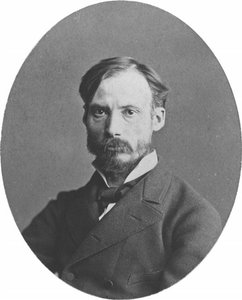
1841 - 1919 , Prantsusmaa

Avastage Pierre-Auguste Renoiri 25 parimat teost! Sukelduge impressioonismi maailma, nautides valgusrikkaid maale ja romantikat. Kunstiteosed kodu sisustuseks – eksklusiivne kollektsioon Most-Famous-Paintings.com'is. Vaata kohe!

Journey into the heart of Impressionism! Explore 10 masterpieces by Monet, Renoir & Degas that revolutionized landscape art. Discover their stories, techniques & find museum-quality reproductions to elevate your home decor on Most-Famous-Paintings.com.
Journey through 10 breathtaking landscape paintings by Monet, Van Gogh & more! Explore iconic artworks, artistic techniques & find inspiration for your home decor. Museum-quality reproductions at Most-Famous-Paintings.com. Discover all masterpieces on Most-Famous-Paintings.com
Avastage Paul Cézanne 25 kõige ikoonilisemat teost! Sukeldume postimpressionismi maailma, värviliste still life'ide ja Mont Sainte-Victoire maalide lugudesse. Leidke inspiratsiooni interjööri disainiks Most-Famous-Paintings.com-is. Vaadake maali reproduktsioone!

Explore the rich history of landscape art with Most-Famous-Paintings. Discover renowned artists, movements like Impressionism & Romanticism, and expert guidance for collecting timeless pieces. Find your perfect serene escape today!


Püsige kursis viimaste kunstiuudistega, eksklusiivsete pakkumistega ja sisustamisideetega.
Kirjeldage meile oma projekti ja meie kunstieksperdid pakuvad teile 3 isikupärast kunstiettepanekut.
Laske meil koostada just teile mõeldud 3 valikut – tasuta!


 Eelvaade
 Saada
Saada Jaga
Jaga
 Teave teose kohta

 Laadi alla
 Sarnased teosed
 Röntgenuuring
 Slaidietendus
 Loe lähemalt







 Klaasivalik on saadaval ainult suuruses kuni 110 cm